



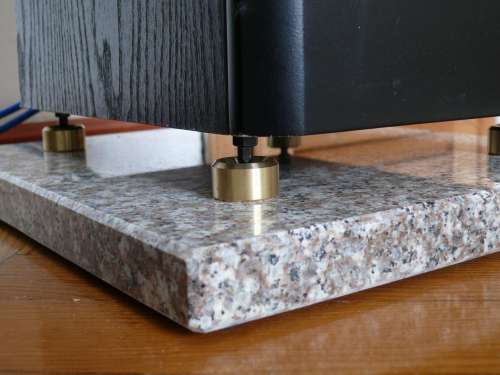
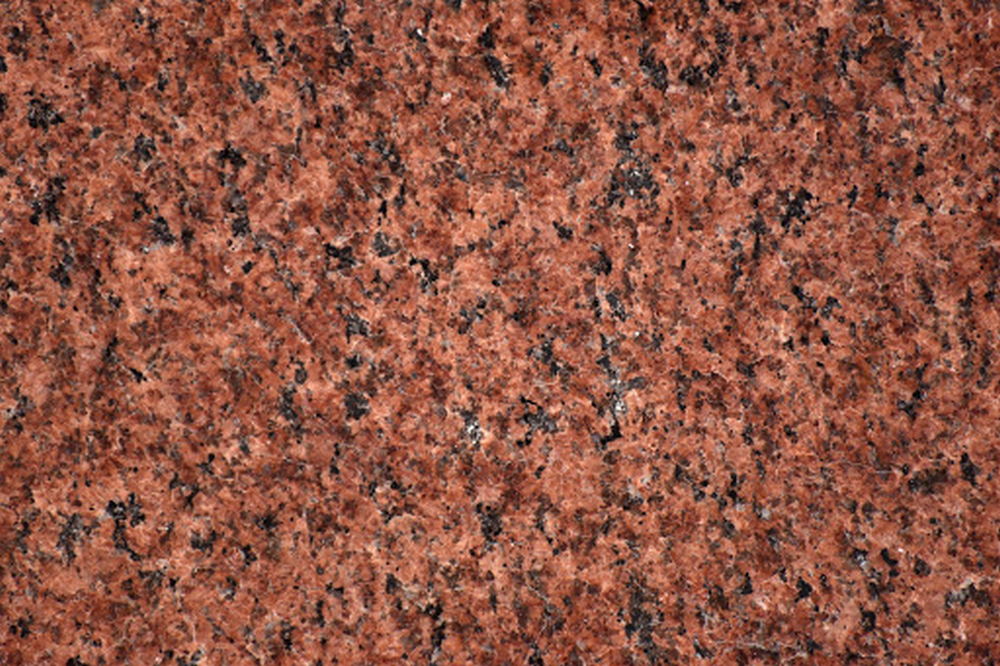

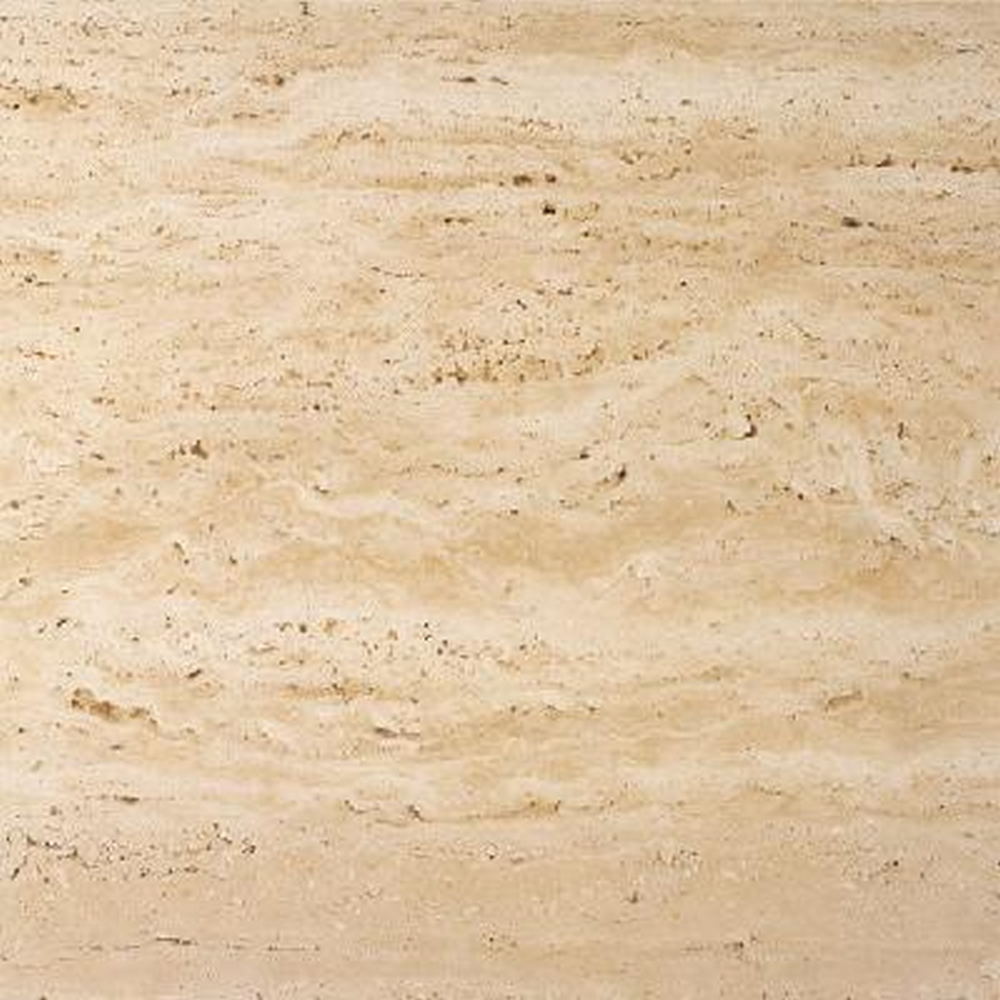
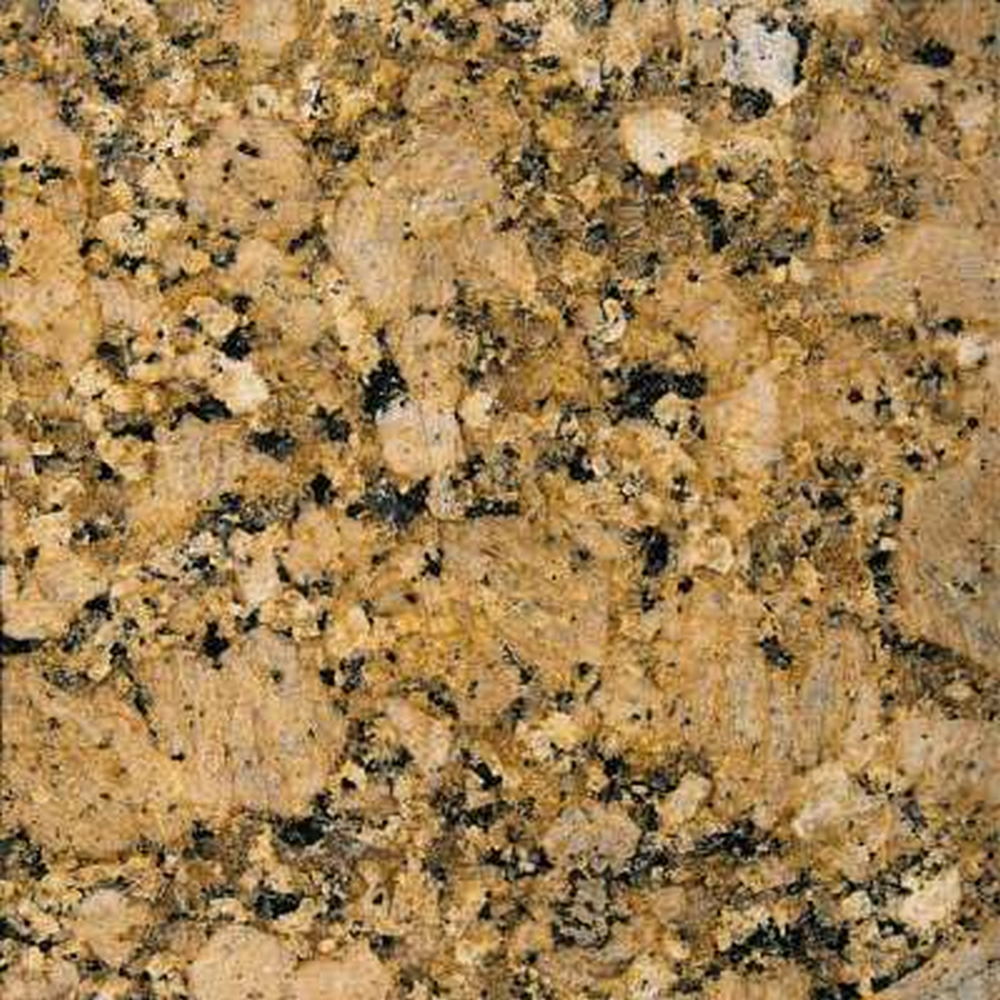
Isolation pads: Granite-Limestone speaker slabs
77 € – 174 € +Vat
Our customers with an EU corporate tax number can buy tax-free!
In the case of a country outside the European Union, the buyer has to pay the customs charges on the parcels. The process and customs clearance is handled automatically by DHL Courier.
On weekdays between 07:00 and 15:10.
info@perfectacoustic.co.uk
- Free delivery to EU countries for orders over 200 € ! Free delivery to countries outside the EU for orders over 400 € !
- The production time for panels and carpets is 1 week, curtains 2 weeks.
Description
Isolation pads
Countries within the EU: Our customers with an EU corporate tax number can buy tax-free!
Please indicate your registered business / corporate EU tax number in the comments when ordering. Once we’ve verified, we’ll send you a new tax-free invoice for payment.
Citizens of countries outside the EU that can buy without VAT: United Kingdom, Norway, Switzerland, Lichtenstein, San Marino have to pay customs duties according to their own country’s tariffs when receiving the product.
Isolation pads: Granite and Limestone speaker slabs
It is even possible to make a custom size. It can be used not only under a speaker, but even on a hi-fi stand or on top of shelves.
Preparation time 2-3 weeks.
Oscillation damping and monitor isolation result in better production and a clear audio image in a studio. Sharper bass sounds, more sophisticated mid-range sounds.
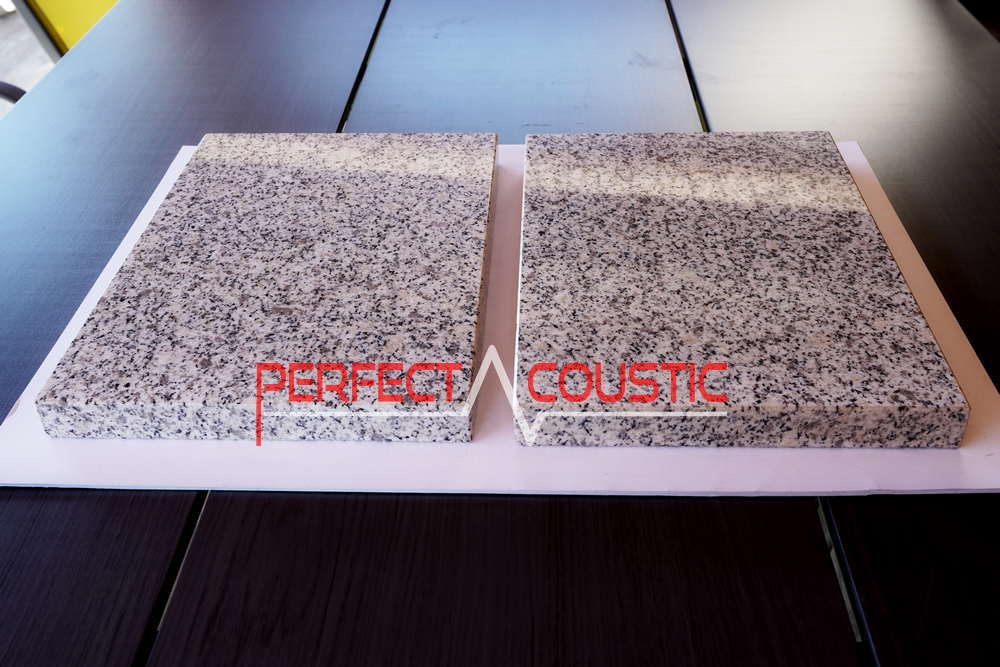
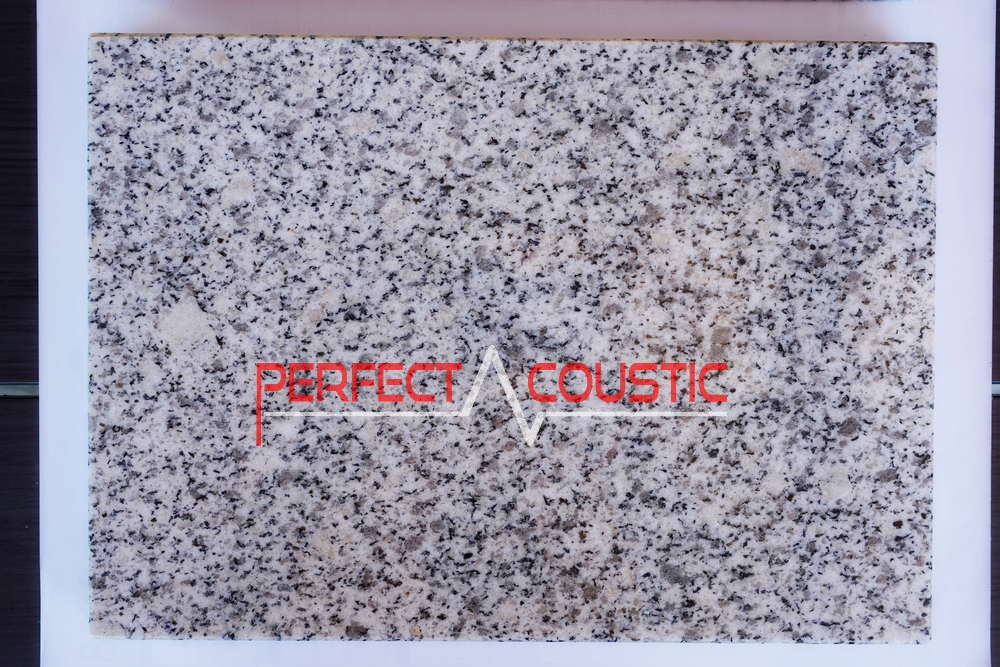
Granite and limestone monitor isolation pads are available in several colors and patterns. These monitor isolation pads are the best solution the monitor isolation in a studio.
Granite, limestone slabs-Isolation pads
Granite is a coarse-grained, deep rock. One of the hardest rocks, abrasion-frost, and timeless material. It has been used in architecture and sculpture for 4,000 years. Marble and limestone are also hard and durable materials, known for years and used as rocks. The granite monitor pad provides stability for the monitors. It improves audio by dissipating vibrations generated by studio monitors. It can be placed under the speaker, on a stand, on the ground, or even on top of the speaker, so the monitor speaker slabs are effective in monitor isolation of the studio monitor.
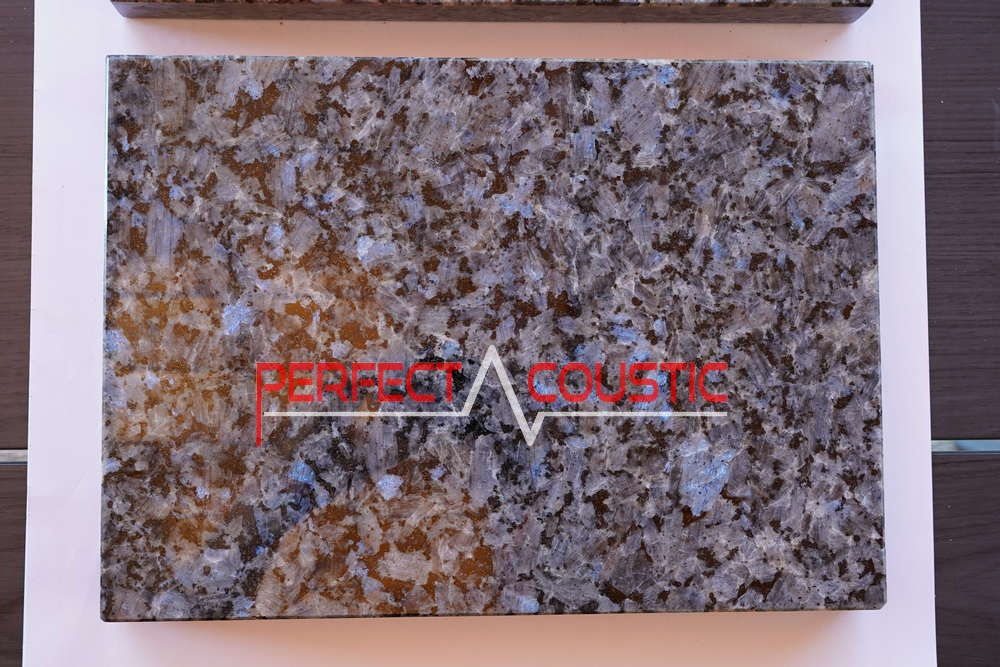
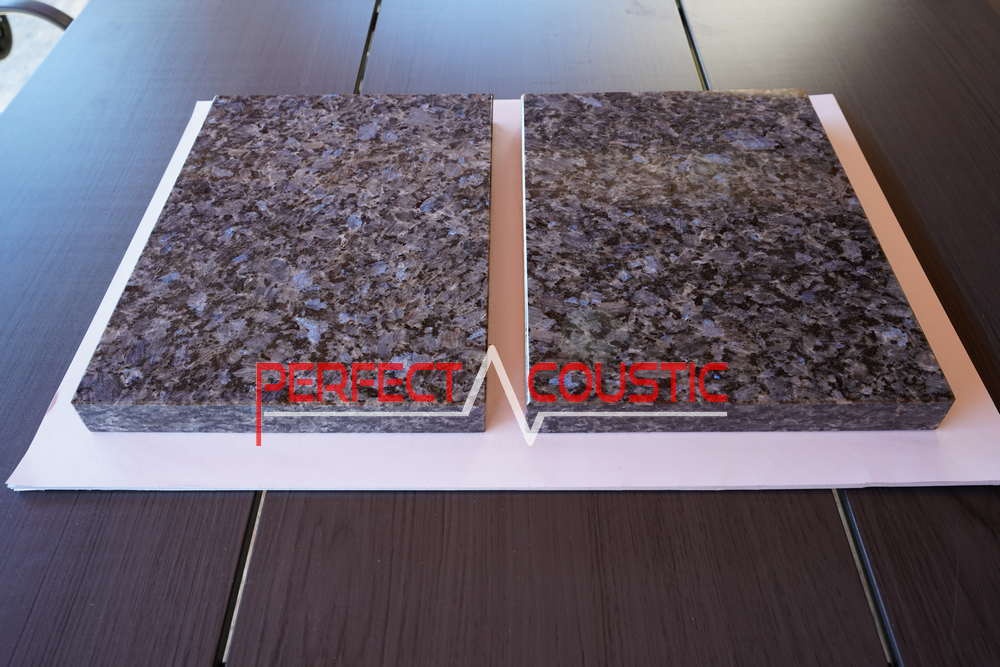
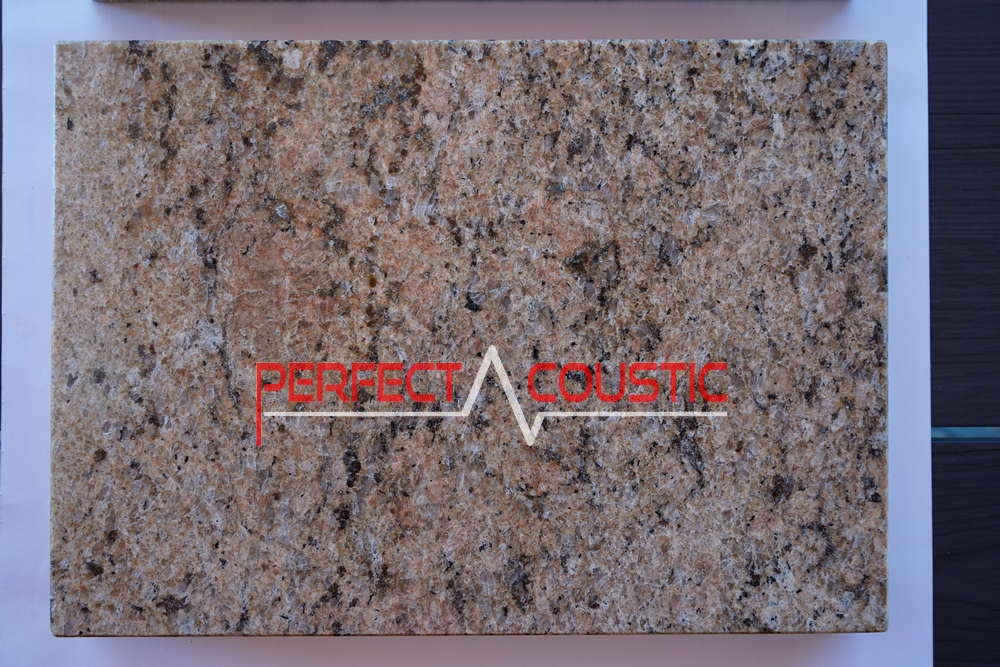
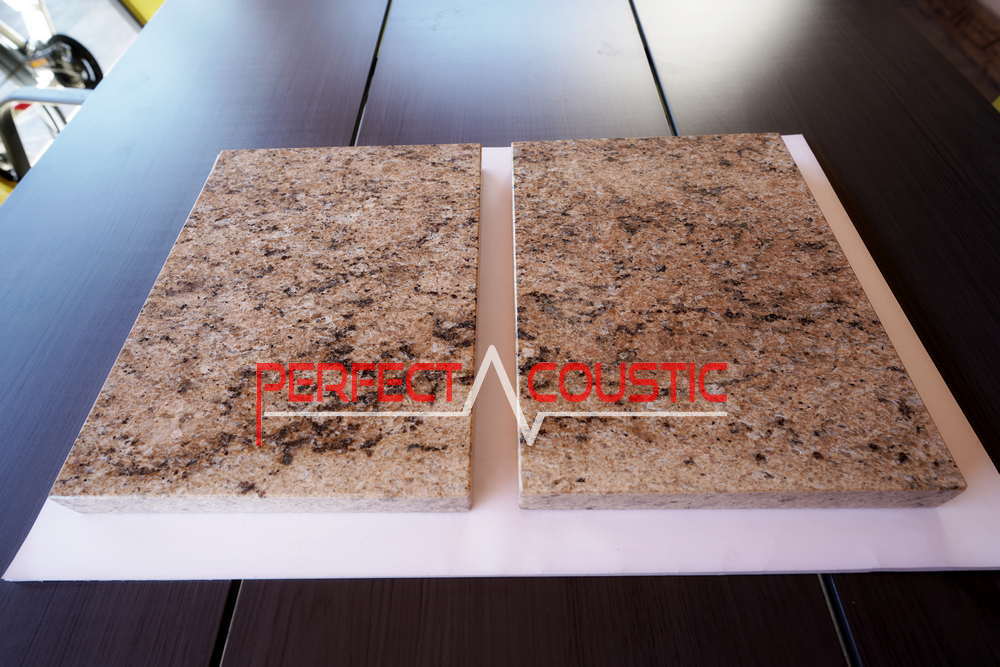
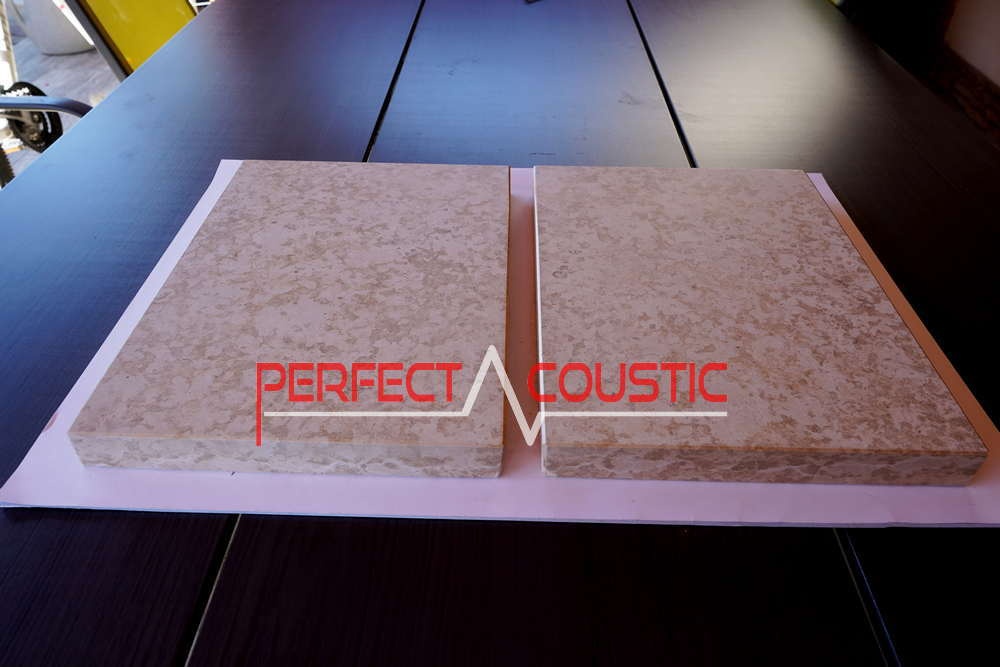
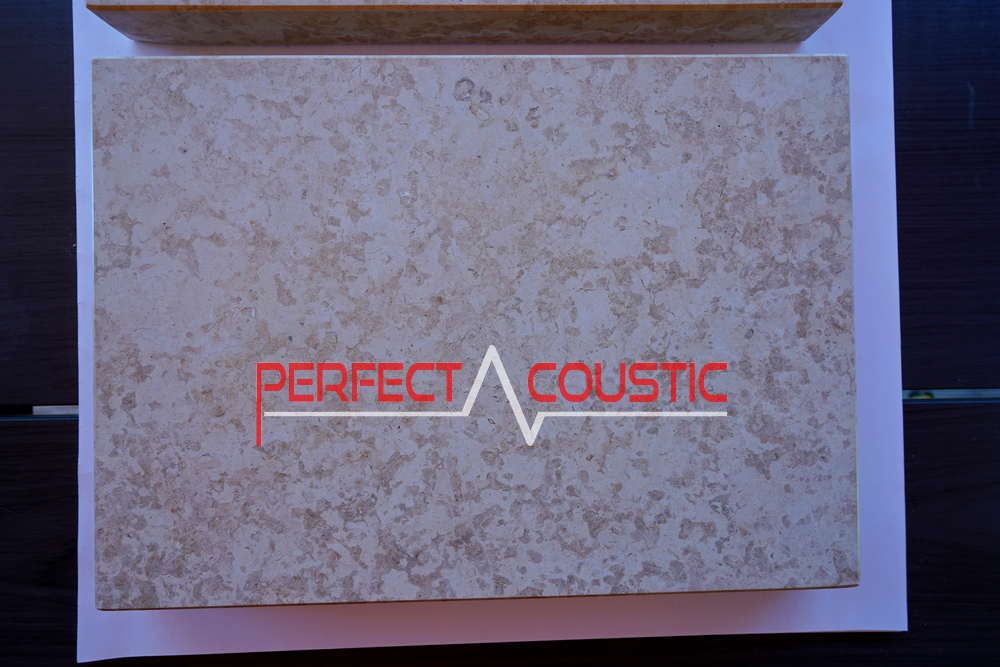
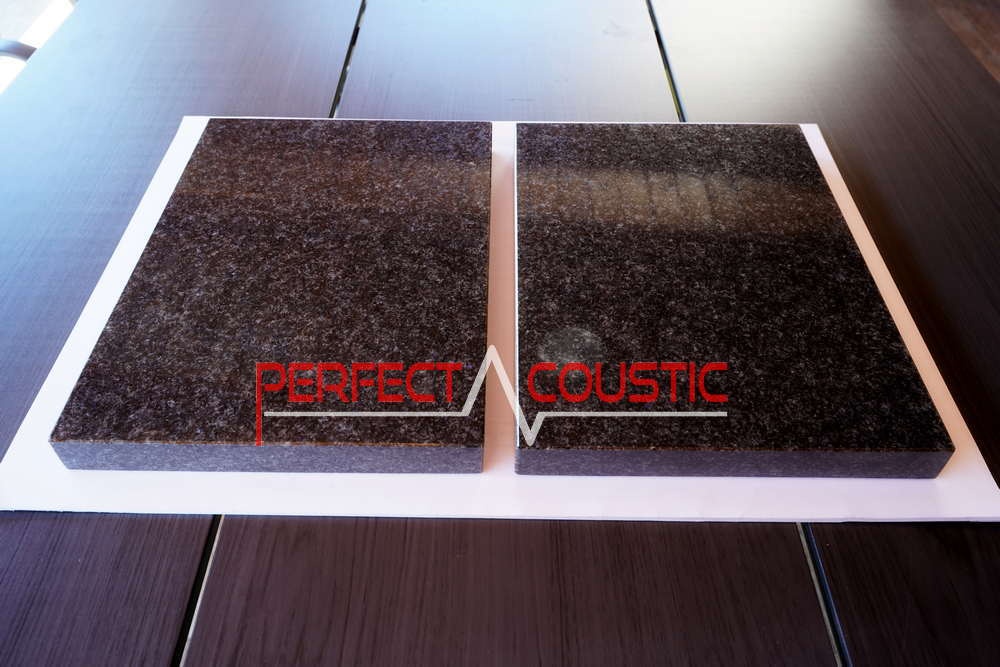
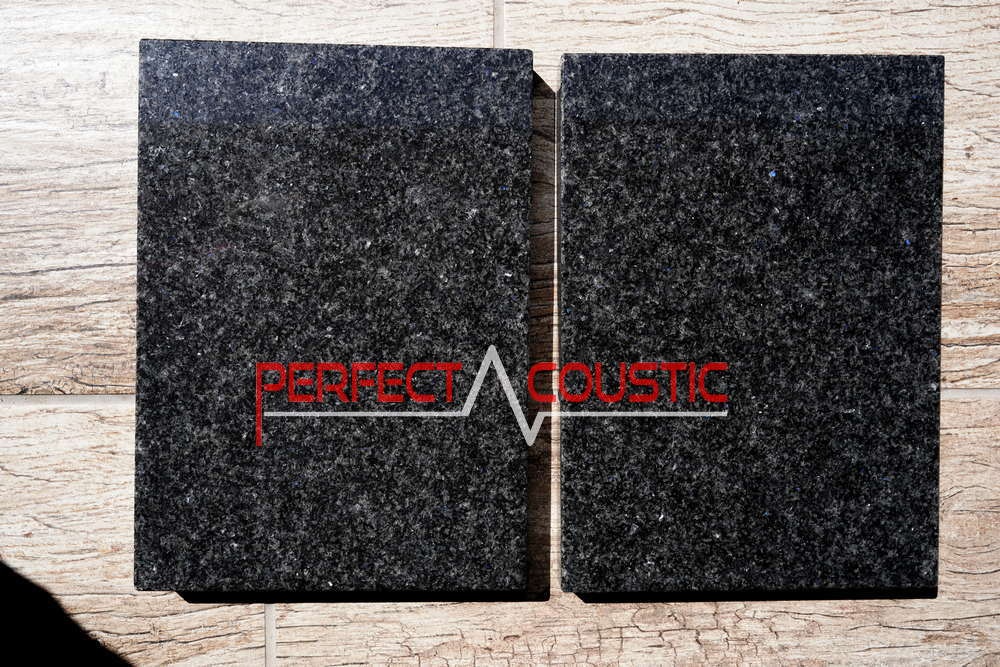
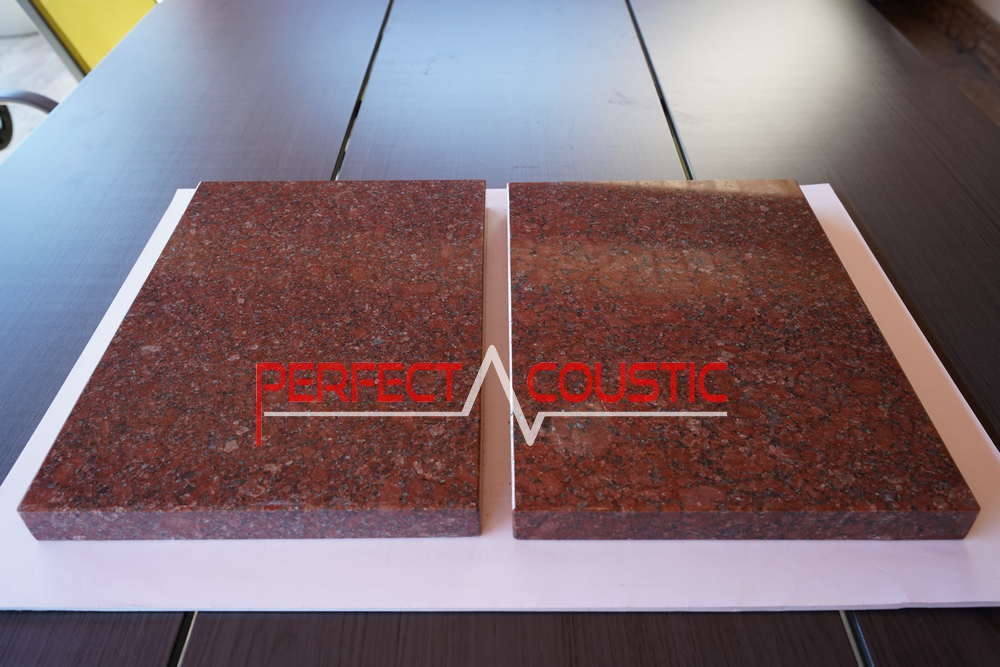
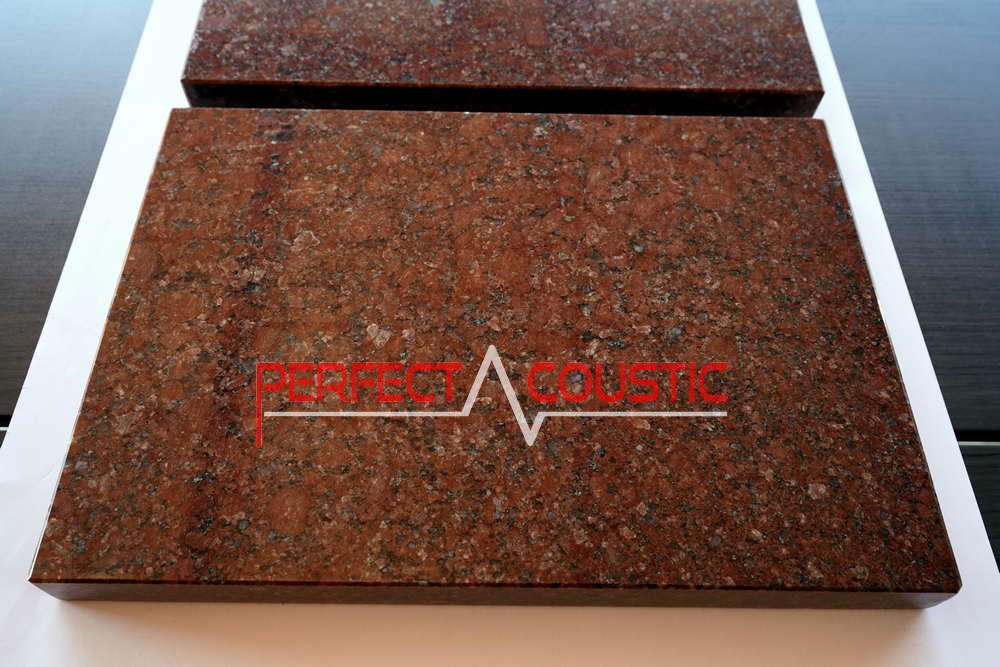
The studio monitor speaker slabs can be placed not only under the speaker, but also on top of the speaker, in which case the studio monitor tries to reduce the effect of inertia force. Due to the movement of the monitor, the speaker vibrates, which results in smaller movements. These movements prevent dynamic clear acoustics. When we eliminate or reduce this oscillation and movement, we can experience an immediate audible improvement in a studio.
The detail of the dynamics and the increase in space will characterize our favorite music.
It’s not just worth using granite or limestone tiles around the studio monitors!
isolation pads
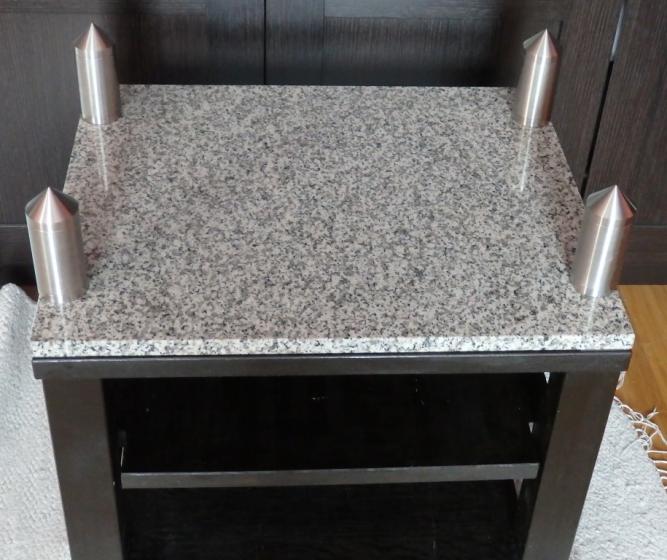
The importance of oscillation damping
Vibrations distort sounds, so oscillation damping is essential. The damping efficiency of objects depends on their material, structure, size, and rigidity. If you want your hi-fi equipment to be audio-perfect, you need monitor isolation pads and stands that can handle external vibrations from the air or through the floor. Individual objects and elements of audio systems have multiple resonance directions and multiple resonant frequencies. The studio monitor must be insulated and disconnected using suitable materials. The speaker isolation can be achieved with a suitable pad. In the studio, a lot of the monitor pads placed under or above the studio monitor matter a lot.
What is resonance?
Oscillation along with receiving vibrations from another source. The characteristic of bodies is that they vibrate together with another body or object on their number of vibrations.
Advantages of isolation pads:
- When the studio monitor is placed on the ground, a granite or marble washer protects the floor from scratches.
- The speaker box is also protected from scratches and wear.
- They look good and improve the stability of the monitors.
- They are extremely easy to place and adjust to the size of the speaker or the size of the speaker pad.
- They reduce noise caused by floor flutter, especially on laminate or wood floors.
- They are durable and easy to clean.
- You can also use them to adjust the optimal angle of the monitors.
Creating the optimal audio consists of several steps, with the help of an acoustic specialist it is worth performing an acoustic examination in the given room. The expected result can only be achieved with acoustic treatment, and our audio devices are only able to voice ideal with the right acoustics.
What is the difference between granite and limestone?
Granite is more durable and less sensitive than limestone. Granite produces a harder, more dynamic voice, while limestone produces warmer, softer audio. Both materials provide an aesthetic, insulating, and stable base for the monitors. These monitor isolation pads are suitable for speaker isolation.
Starring the speaker
The monitors are mounted in properly designed boxes or crates. The speaker box helps make the frequency response smoother. The monitors can radiate a portion of the range that can be heard by the human ear. Monitors are distinguished by their power, frequency response, impedance, distortion, and efficiency. There are active and passive, closed and open audio boxes, bass reflex, acoustic funnels, broadband, and subwoofer or mid/high monitor only…. The material of the speaker box affects the voice of the monitors, it is worth buying good quality products made of high-density material, therefore they prevent internal vibrations. Plastic speaker boxes are not good in this regard because secondary vibrations interfere with and degrade the audio image.
The noise is vibration
Behind every noise is the oscillation of particles of objects and materials: in the case of the human voice, for example, the vocal cords, in the case of musical instruments, the strings, in the case of a loudspeaker, the membrane of the loudspeaker…. The vibrating object or substance also vibrates the particles of the air, and this vibration travels from particle to particle as an audio wave in the air. Vibration is a process whose states are repeated. Music recording in the studio will only be appropriate if a monitor pad is placed under the monitor. The height of the monitor stand and pad is also important. Digital software rework is not enough. Requires software support. Guitar, drums, keyboards, or classical instrumental music only sounds perfect with ideal acoustics. Since we buy a pair of monitors in the shop, we also need at least 1 pad for each monitor. In the studio, the sound of the microphones also improves if you place a pad under the monitor. On the menu of our shop, you will find the right pad for you. The bad acoustic sign is the echo. You will find content related to delivery in the relevant menu of our shop. Also available from a mobile phone. When placing the monitor on a desk, use a pad. Be sure to route the cables. Desks do not dampen vibration.
Positioning the monitors
In general, place the monitor symmetrically relative to the listener’s position, preferably at ear level, and do not place any objects in the area between the speaker and the listener, as they will prevent the free flow of tone waves. Also consider the distance between the monitor and the walls, as well as the type and size of the monitors. It is not recommended to place the monitor too far apart, preferably do not place them in corners.
The studio monitor isolation pads not only enhance the bass sounds but also help you adjust the ideal tilt angle of the monitor. If there is a parquet or tile in the room, it is advisable to place a carpet. For stereo monitor, the basic rule is for the two speakers and the listener to form a one-sided triangle so that the studio monitor is at the two vertices of the triangle and the listener at the third. The main goal is to hear as many direct sounds from the monitor as possible in the student situation, and as little as possible from the sounds reflected from other objects and surfaces.
When the studio monitor is placed on a bookshelf, table, or stand, the hollow-structured home furnishings and furniture absorb the vibrations of the monitor, and resonate, thus deteriorating the audio quality and distorting the musical details. It is important to place the studio monitor on a stable and solid base, thereby isolating the monitor and preventing the noise from being diverted to the stand, ground, etc. in the direction. Studio monitor stands are available, it is also worth placing granite or marble pads under the monitor. The audio of hi-fi equipment can be negatively affected by resonances, extinctions, and highlights. Styrofoam, foam, or rubber materials are not suitable for noise absorption or speaker insulation or monitor isolation.
The right monitor isolation pads improve the bass and clear the audio. Under no circumstances should we place objects or devices under the monitor that emit heat, as the heat changes the movement of the air and thus the sounds. (e.g. amplifier) Glass tables are avoided because glass is a reflective surface and can significantly degrade the sound. Always listen to the standing speakers only in the standing position and the lying monitor in the lying position! It is also recommended to place granite or marble studio monitor isolation pads on top of the monitor, but in this case, consider the material and size of the monitor. A less compact, lightweight speaker may not withstand a heavier sheet! The granite or marble monitor isolation pad placed on top of the speaker results in a more pleasant, fuller, clearer audio.
The acoustics of the flat or studio needs to be improved so that your day is pleasant and you can live in peace. The full treatment is required. Give yourself a chance at a quiet flat. Place a pad under the studio monitor. If you are planning the design of your studio or flat, you will hear all the sounds equally in all parts of a well-designed room. Choose high-quality audio brands. The sound returns from the wall, the sound left there causes an echo. We prepare the ordered products shortly before delivery. We carefully pack the elements before delivery. The offers of our shop are the most favorable. View the deals of our shop, and click on the selected product. They only speak in exalted terms about the design of our products. Careers in the office or studio can also depend on acoustics.
Don’t forget to fix the acoustics as well
Achieving the best quality monitor is not enough for perfect sound, acoustic treatment of the room may be required. Once you have created the ideal acoustics with the right acoustic elements, you can start looking around between the speakers. There are many types and sizes, depending on what purpose you want to use the monitor for. Placement as expected is one of the most important conditions for the sound of the speakers. In sound recording studios or cinemas, the sound of the monitor can only be heard if the monitor is positioned correctly. The foam pad does not have a high density, so it has only a small absorbency. Our shop offers a large quantity of monitor pad options. The effects of the monitor pad available in our shop are much more favorable than the effects of foam. SzG
This product is considered a custom-made product. The product is not in stock, it is made to order. Therefore, no modification or cancellation (withdrawal) of the order is possible after successful payment. The estimated/usual lead time is 2 weeks, but we will inform you of the expected completion date after the order has been placed.
Products can be manufactured with a tolerance of +-1cm.
There may be colour variations between 2 different orders, even if you ordered the same colour.
Additional information
| Weight | N/A |
|---|---|
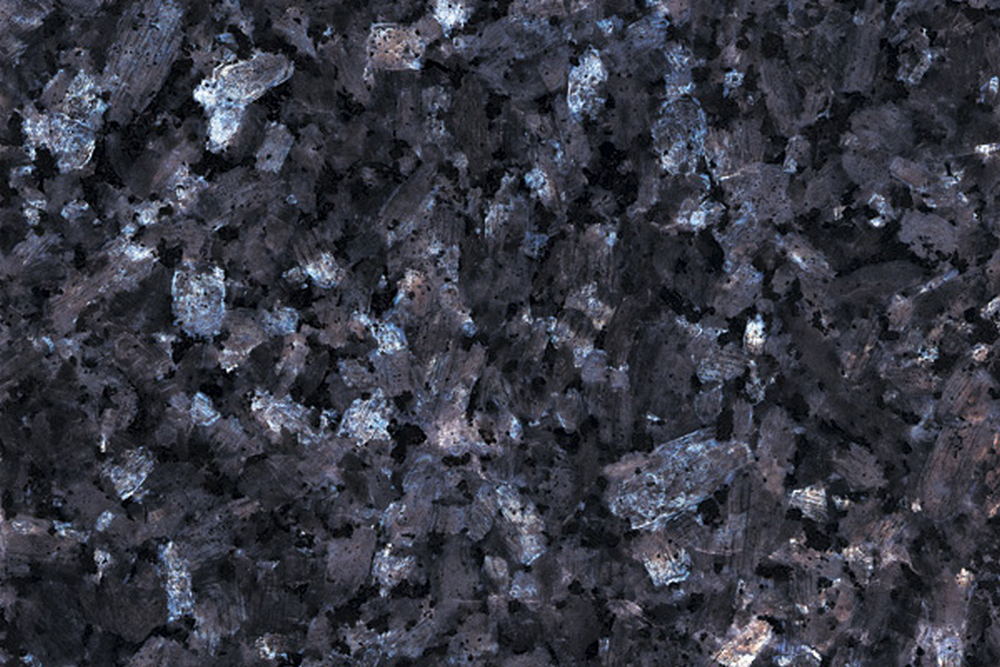
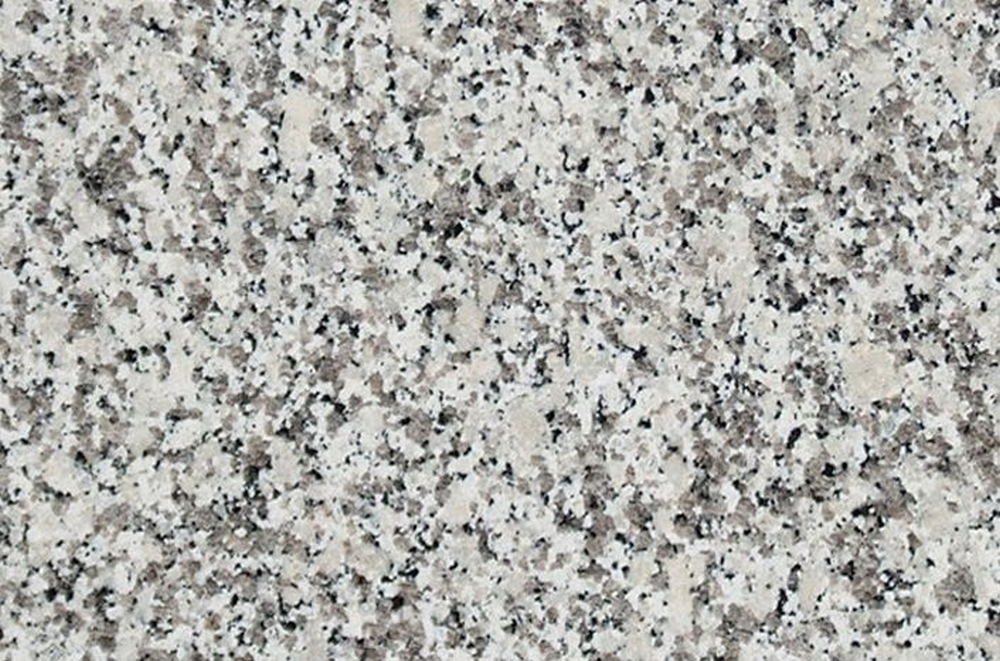
| Color | Bianco sardo granite, Blue pearl granit, Granite Giallo Veneziano, limestone: komfonar, Nero africa impala dark granite, Rosso new imperial granite |
| Size | 25x35x3cm, 35x45x3cm, 45x45x3cm |
1 review for Isolation pads: Granite-Limestone speaker slabs
Questions and answers of the customers
There are no questions yet. Be the first to ask a question about this product.
Related products
-


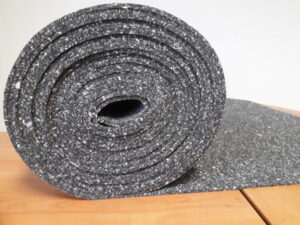
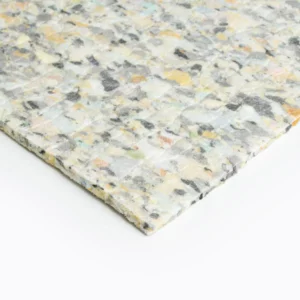
Elitexa Insulating carpet underlay, Extra dense sound and heat insulating material 10mm
17 € +VatIn the case of a country outside the European Union, the buyer has to pay the customs charges on the parcels. The process and customs clearance is handled automatically by DHL Courier.
Material: Polyurethane
Color: Pale
Dimensions Available: 100x200x1cm 180kg/m3Product in stock, ready for immediate delivery
-
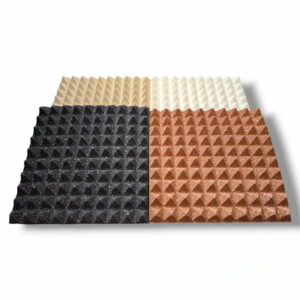
Elitexa extra dense pyramid acoustic sponge 140kg/m3
19 € +VatIn the case of a country outside the European Union, the buyer has to pay the customs charges on the parcels. The process and customs clearance is handled automatically by DHL Courier.
With self-adhesive back
Dimensions: 50x50x6cm, 1,1kg
Product in stock, ready for immediate delivery
-

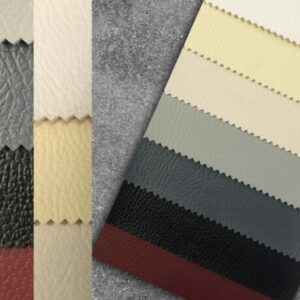
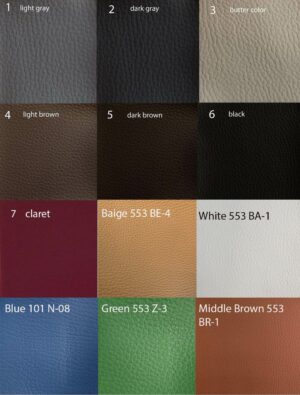
Polo leatherette – in several colours
18 € +VatWe offer wholesale prices for our customers!
Minimum order quantity 3 metres
- Artificial leather
- 140 cm wide
-
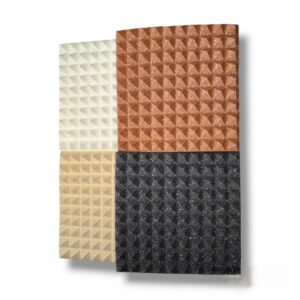
Elitexa extra dense sponge sound insulation board 200kg/m3. 100x50x2-4cm
14 € – 21 € +VatIn the case of a country outside the European Union, the buyer has to pay the customs charges on the parcels. The process and customs clearance is handled automatically by DHL Courier.
Up to 60dB sound absorption
With self-adhesive back
Dimensions: 100x50x2cm, 100x50x4cm
For wall, ceiling and under parquet flooring
Product in stock, ready for immediate delivery

tien bui –
He arrived intact. Very nice workmanship. I will assign it to the rest of my speakers.