



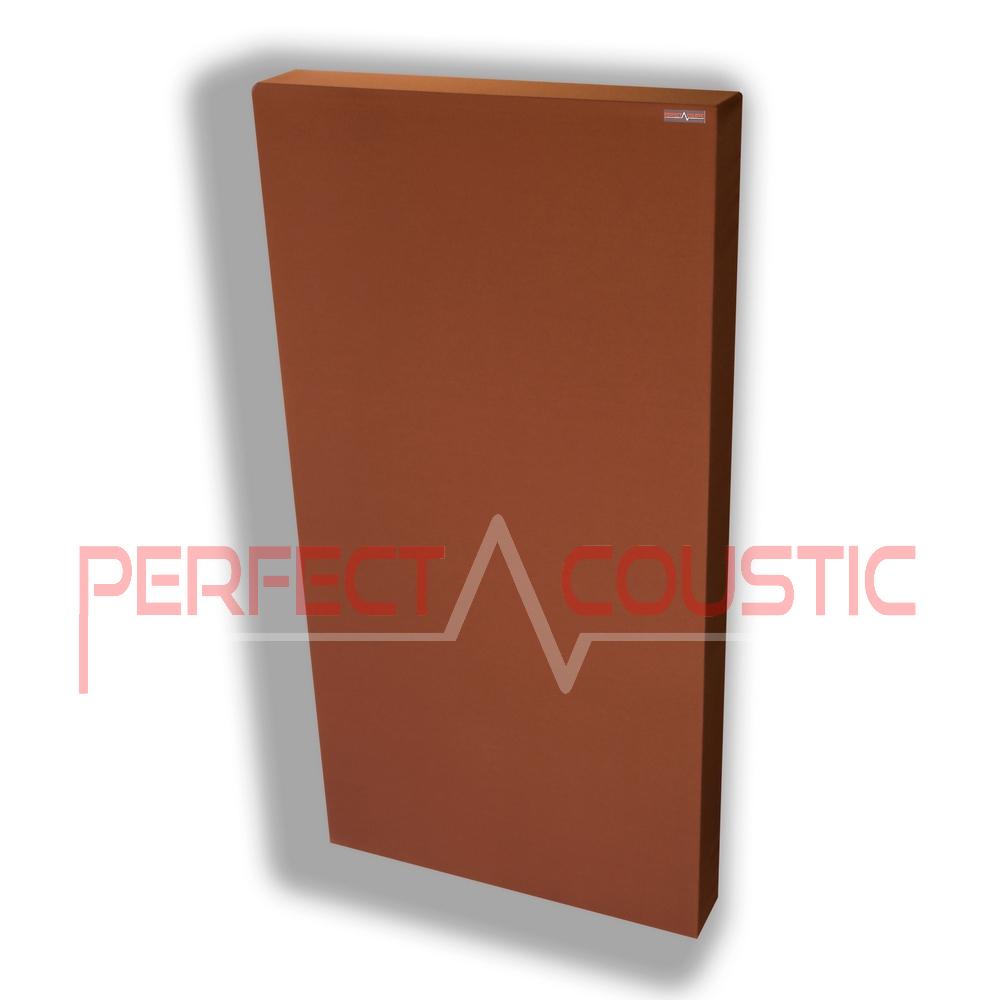
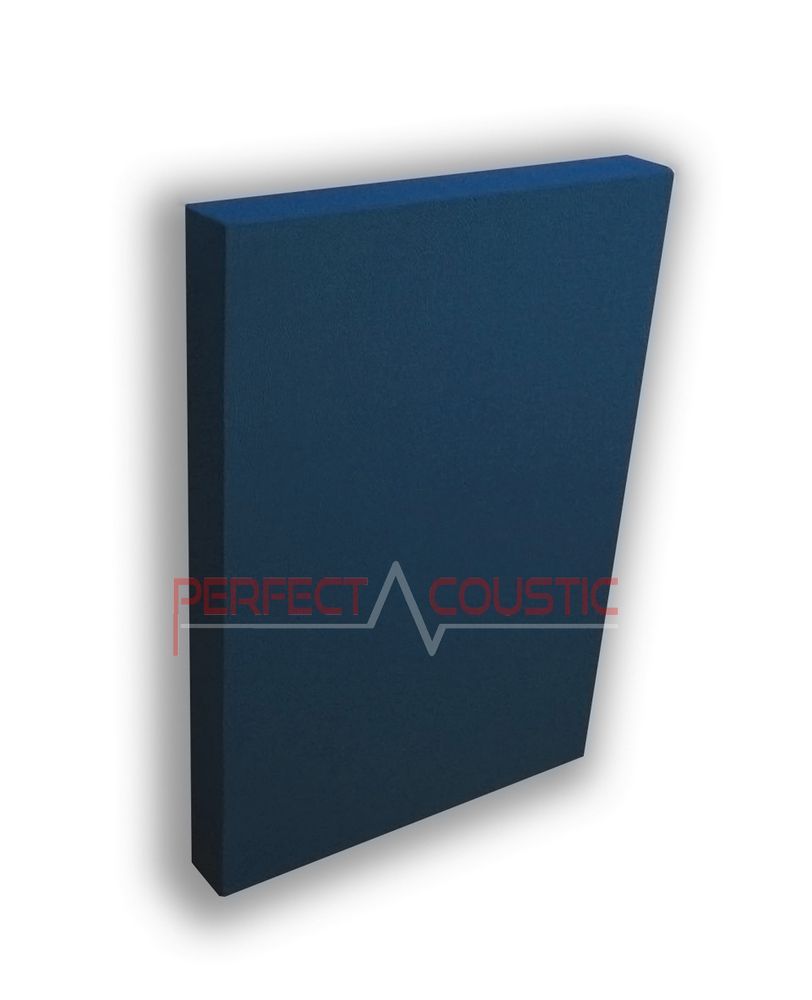
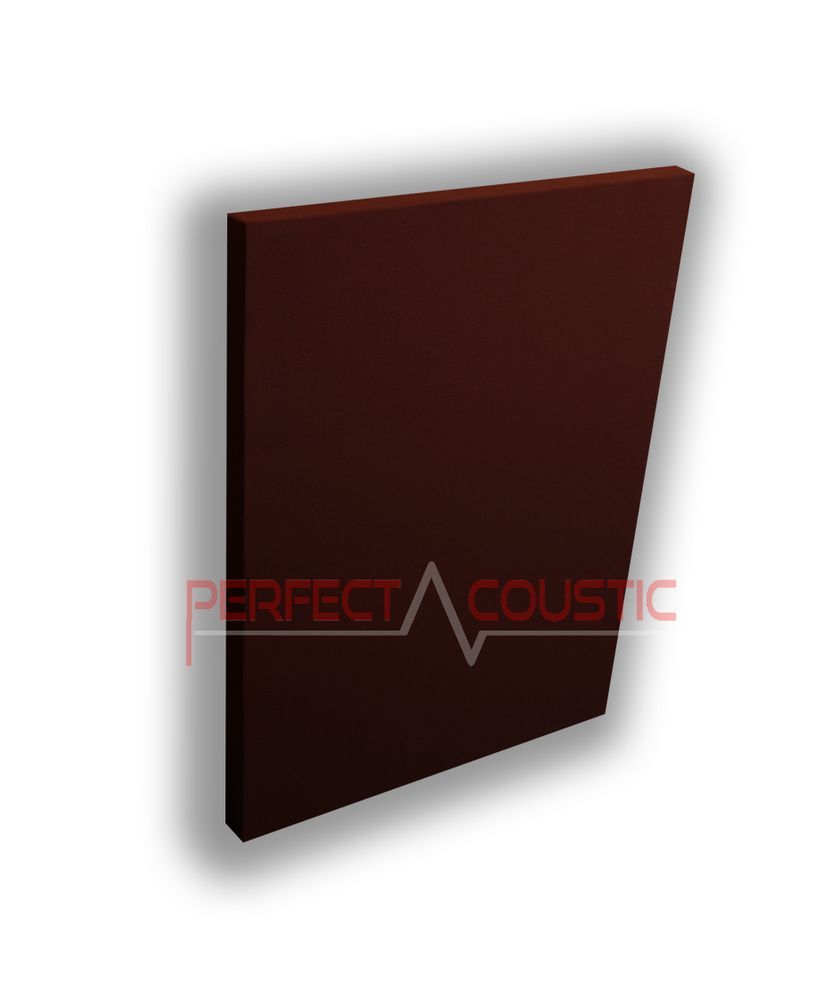
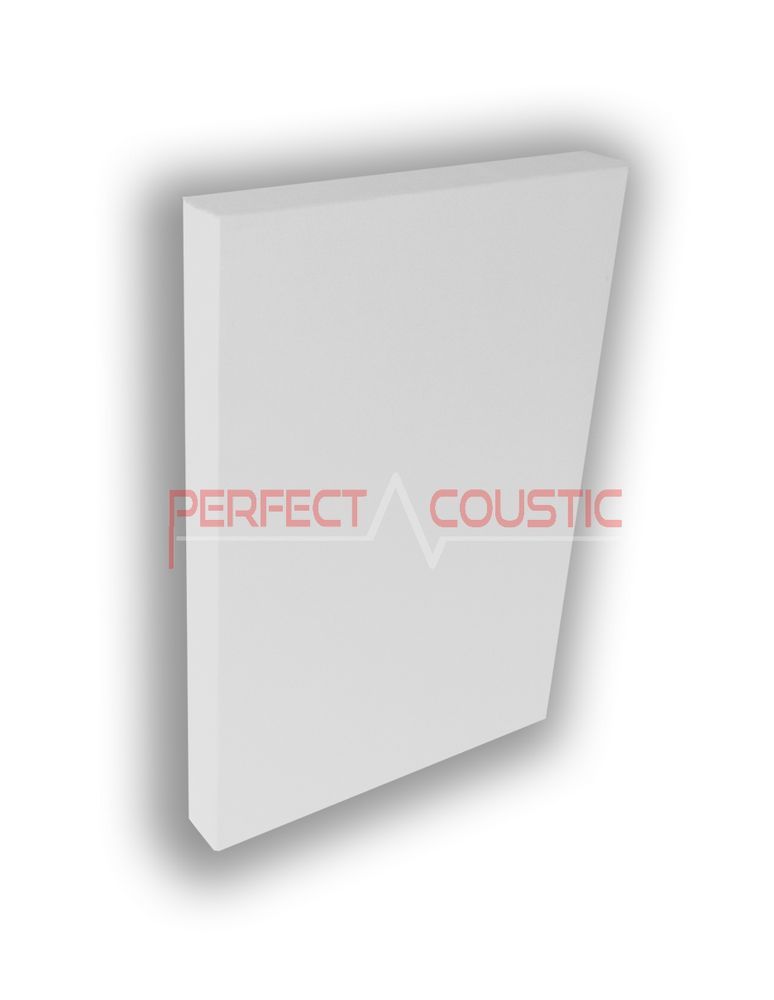
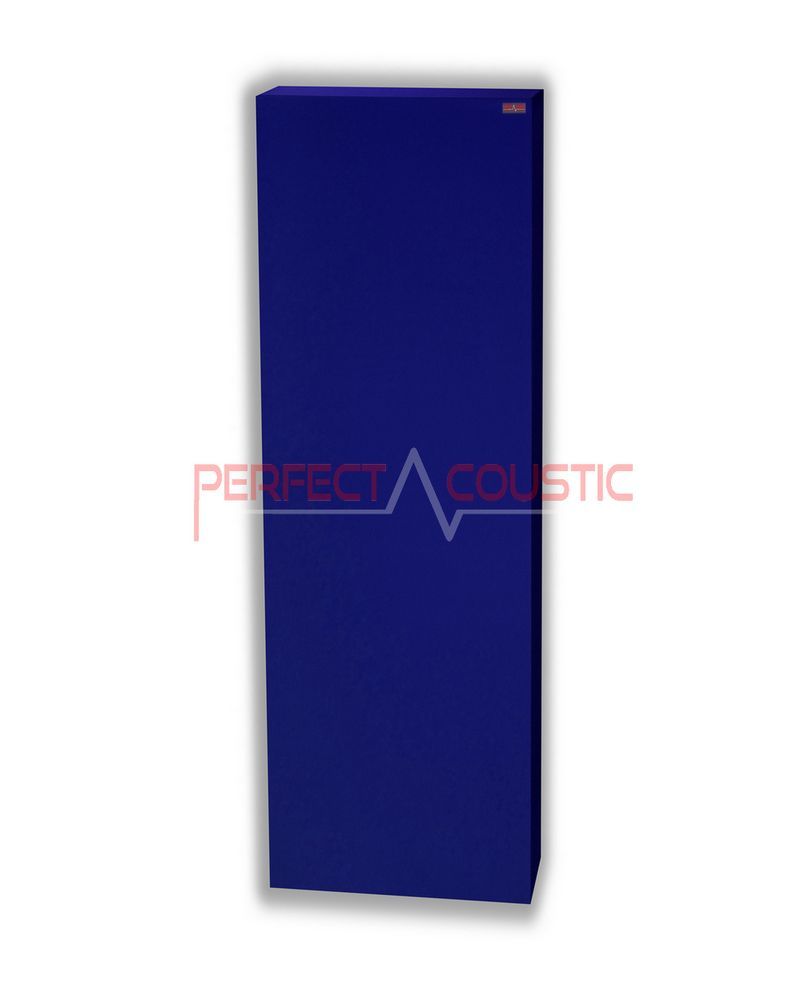
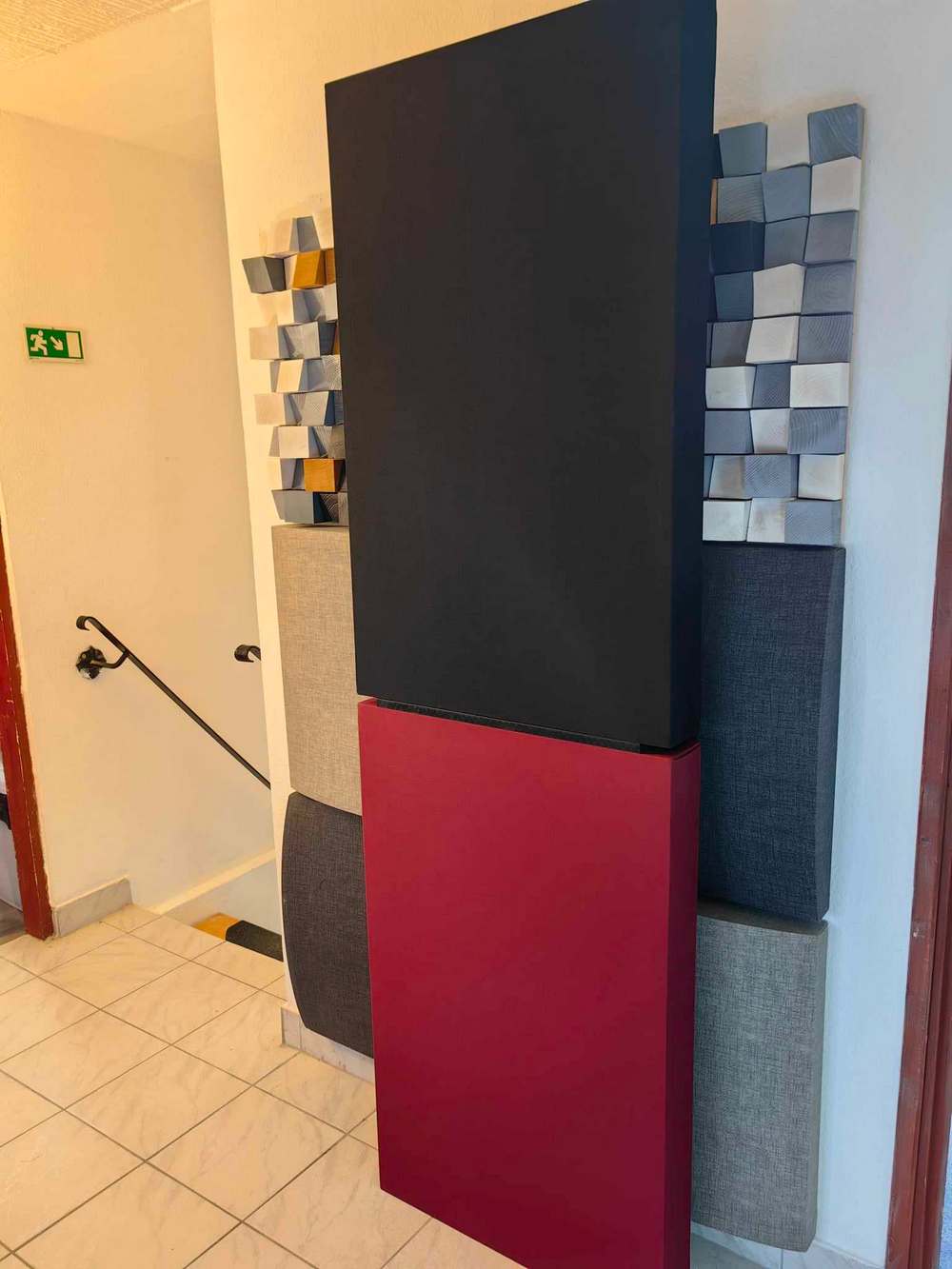
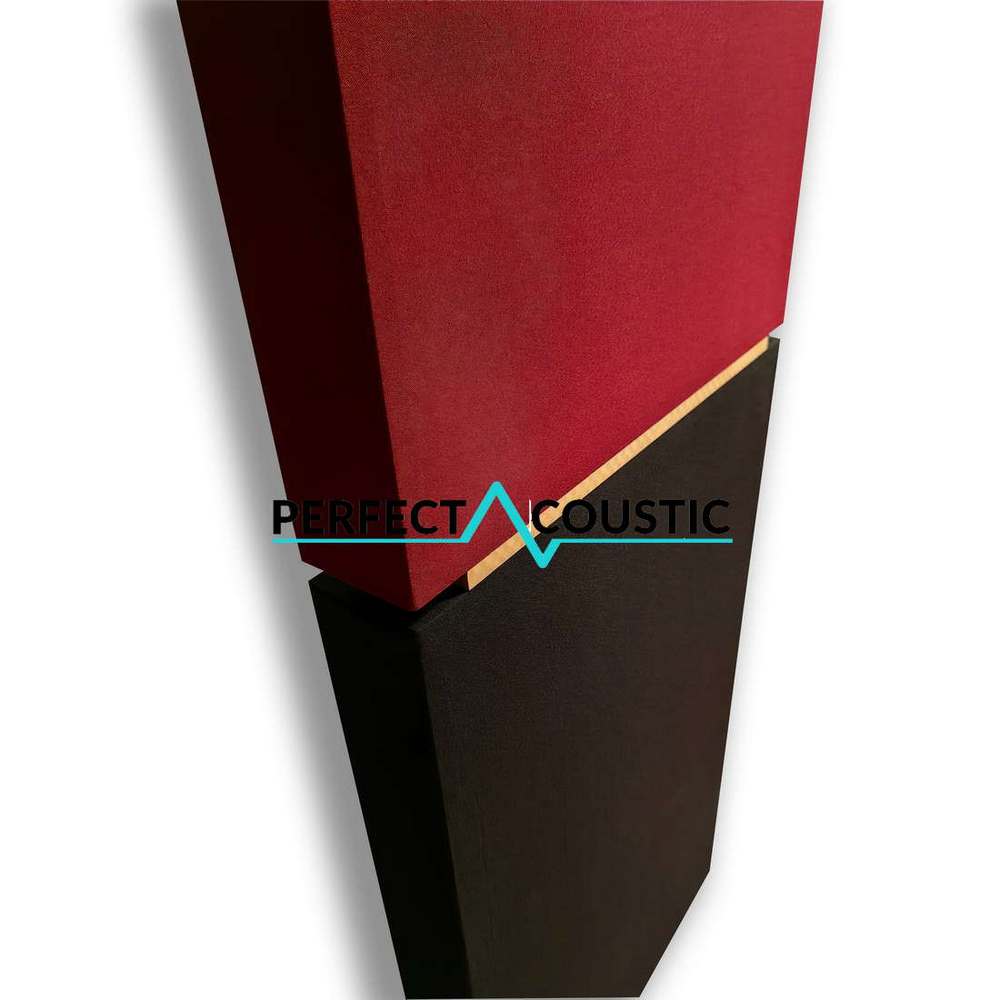
Broadband sound panel-It can even be used as a ceiling element
44 € – 241 € +Vat
Size: 130x64x11cm 11kg, Size: 104x64x11cm 8kg, Size: 104x64x6cm 4kg
Shop with Confidence: 14-Day Money-Back Guarantee!
In the case of a country outside the European Union, the buyer has to pay the customs charges on the parcels. The process and customs clearance is handled automatically by DHL Courier.
On weekdays between 07:00 and 15:10.
info@perfectacoustic.co.uk
- Free delivery to EU countries for orders over 200 € ! Free delivery to countries outside the EU for orders over 400 € !
- The production time for panels and carpets is 1 week, curtains 2 weeks.
Description
You can order a “Free” Online Acoustic Measurement here!
Measurement is 16 EUR without tax- but if you buy, we will deduct it from the amount of the product! So you will definitely order what you need!
Free fabric sample order here.
Countries within the EU: Our customers with an EU corporate tax number can buy tax-free!
Citizens of countries outside the EU that can buy without VAT: United Kingdom, Norway, Switzerland, Lichtenstein, San Marino have to pay customs duties according to their own country’s tariffs when receiving the product.
We can produce custom sizes as well.
-Size: 130x64x11cm weight: 11kg
-Size: 104x64x11cm weight: 8kg
-Size: 104x64x6cm weight: 4kg
-Size: 104x30x6cm weight: 3.5kg
-Size: 64x54x6cm weight: 3.5kg
Properties of the sound panel:
Inside our wall panels, we place 90kg/m3 acoustic wool into a sturdy wood construction which has noise insulation and soundproofing properties.
Or you can order it with extra dense 80kg/m3 Elitexa acoustic foam (additional cost).
For ceiling installation, we do not recommend the use of sponge lining (it will not be aesthetically pleasing)
The acoustic wool is developed especially for this purpose thus it is non-toxic.
The surface of the wall panels is covered with acoustic velvet which also protects against dust emission.
Acoustic absorbers are needed in places where the reverberation time (echo) is higher than the reference level. Thesewall panels are the best if you are not happy with the acoustics of the building.
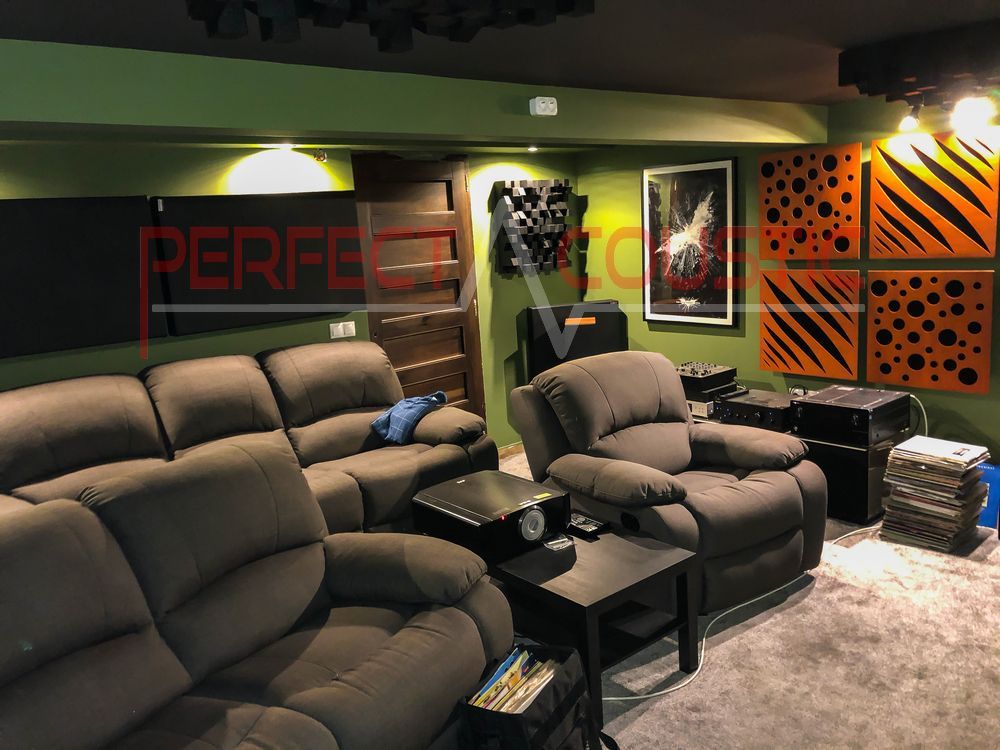
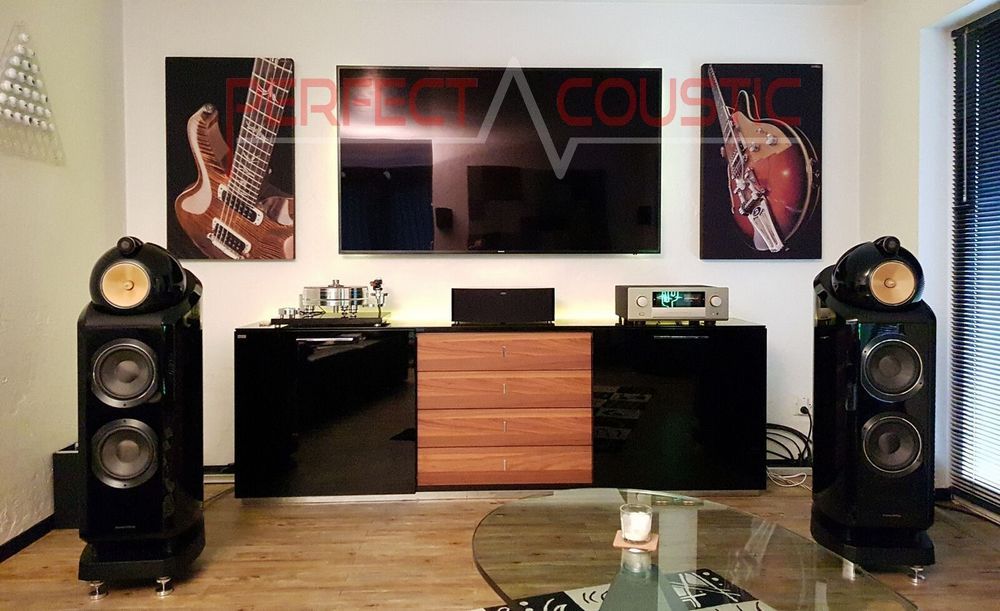
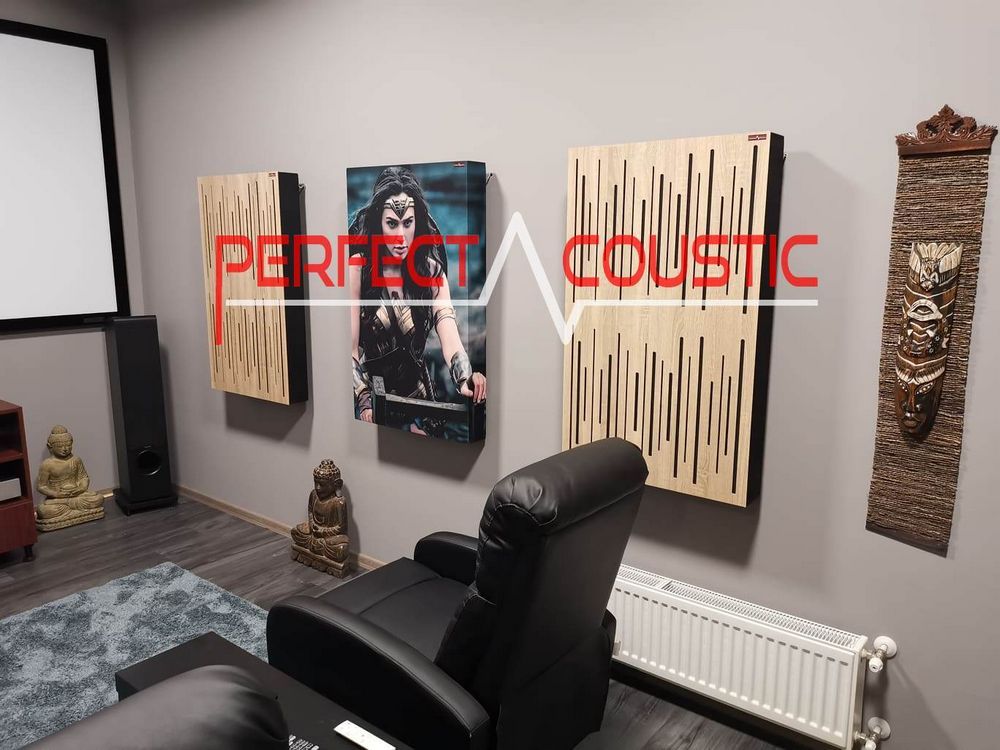
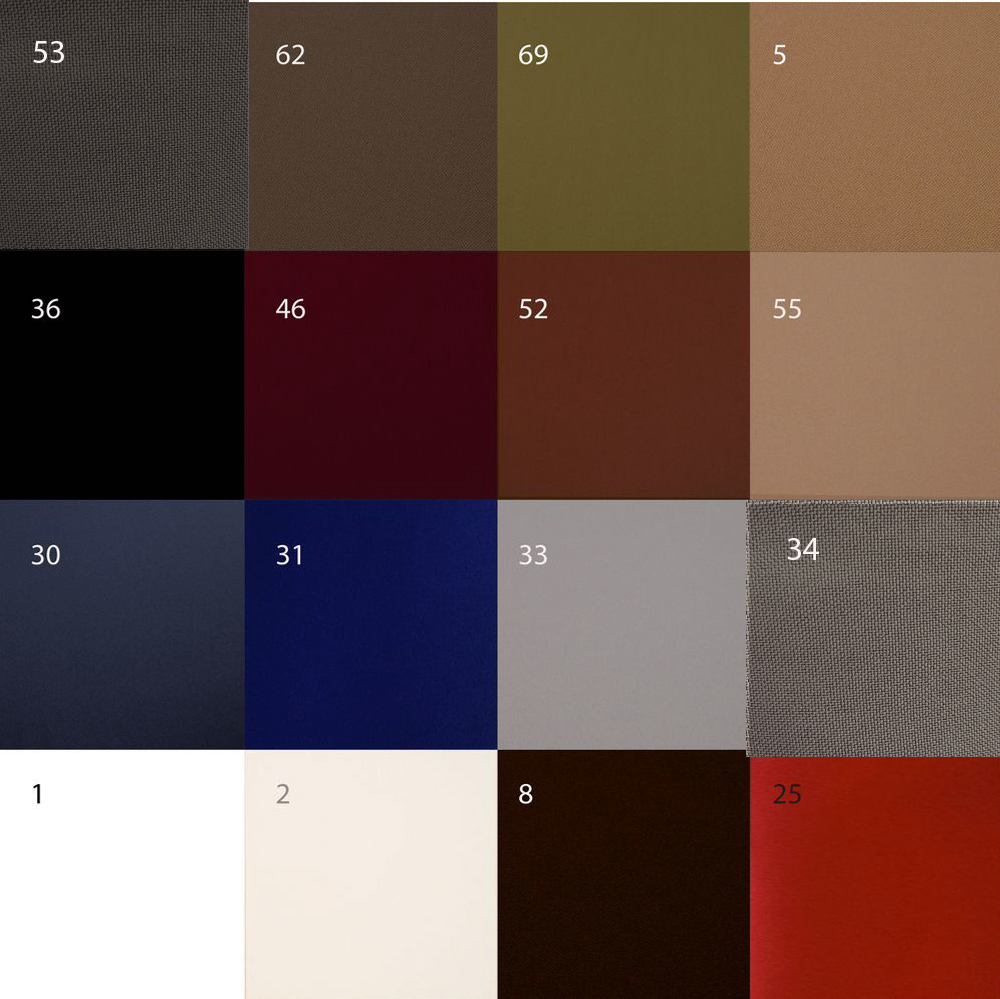
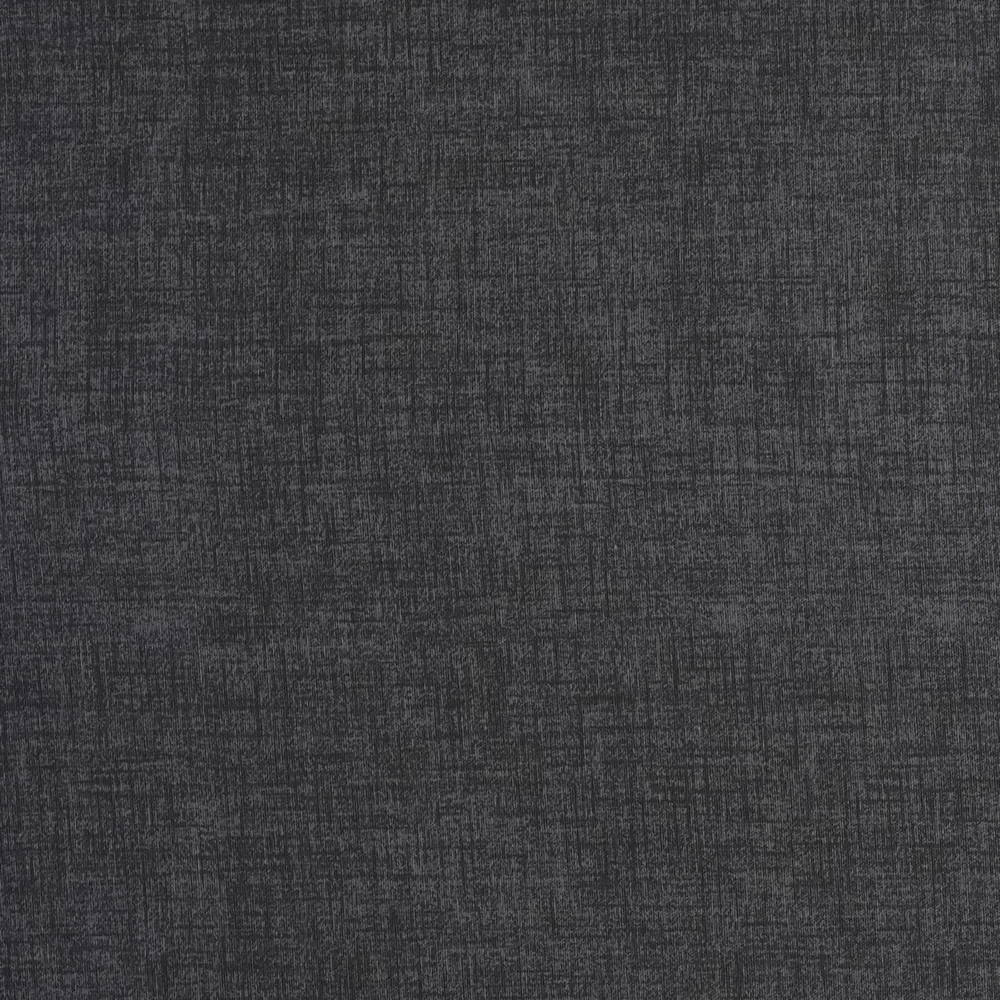
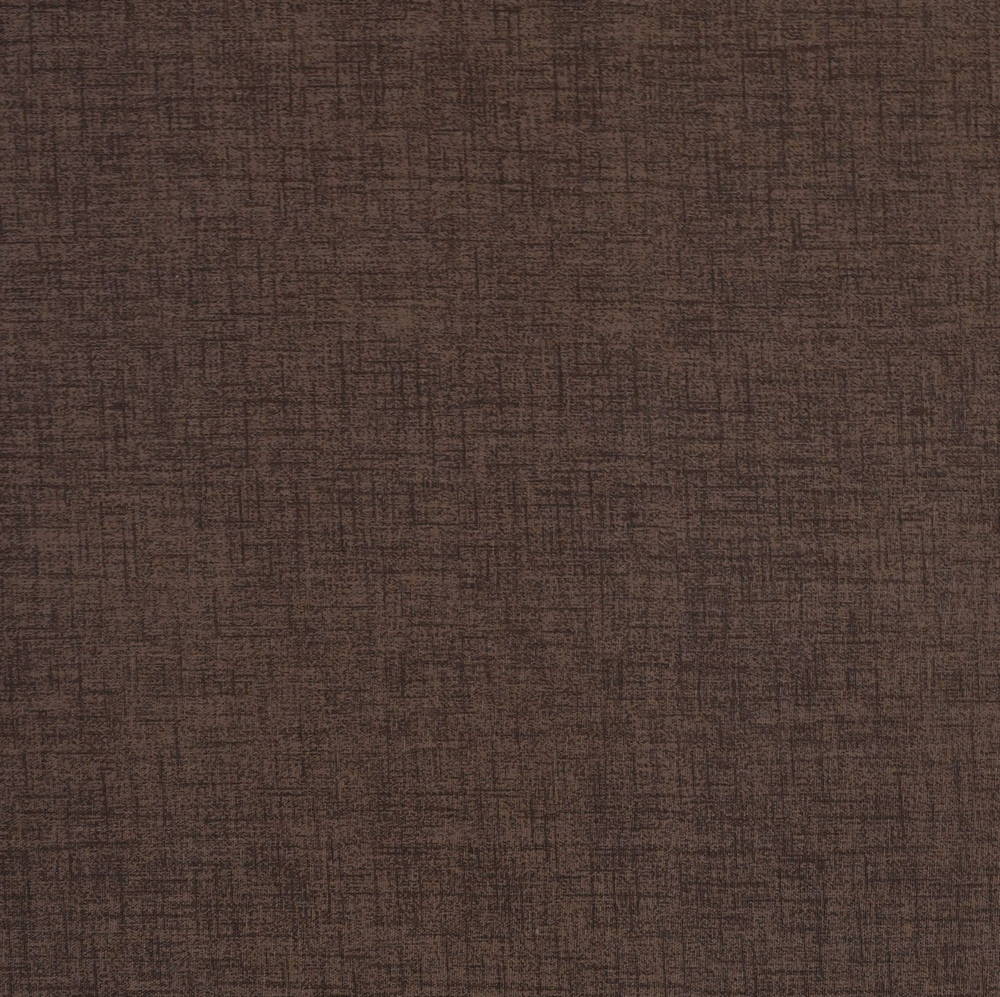
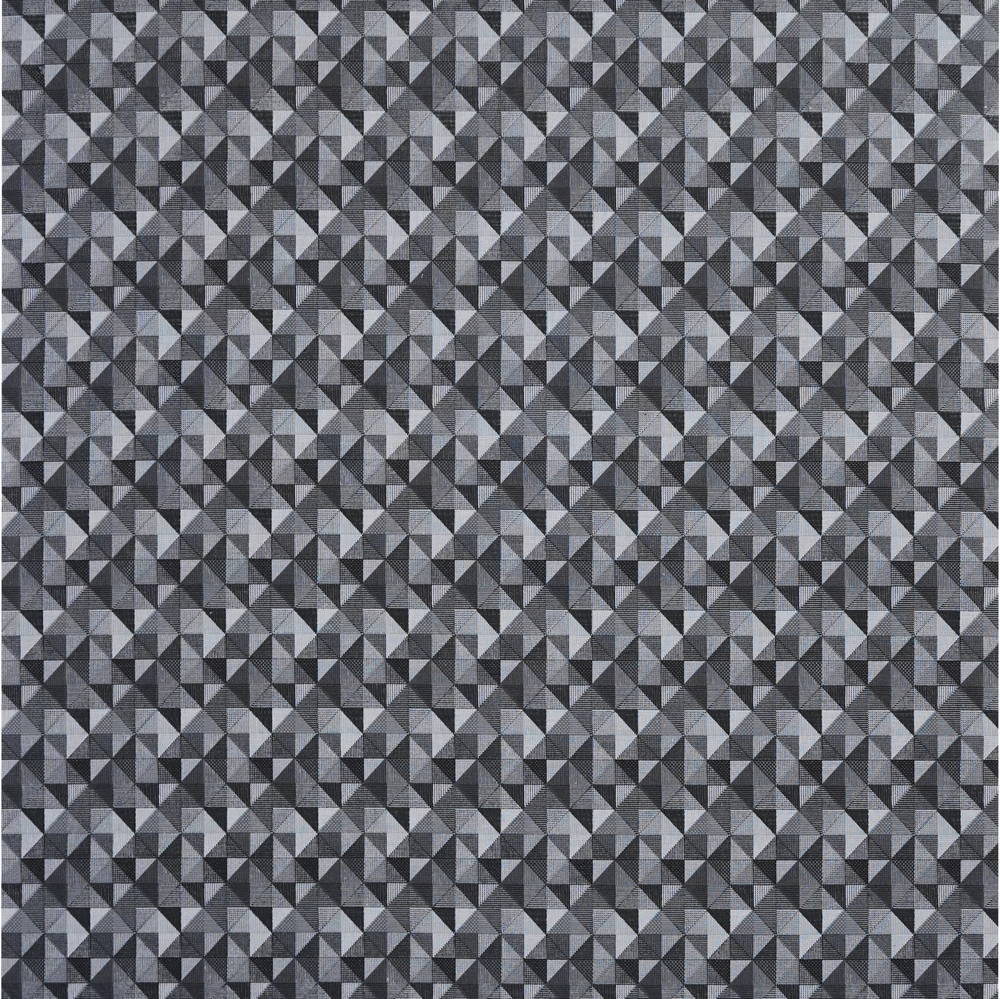
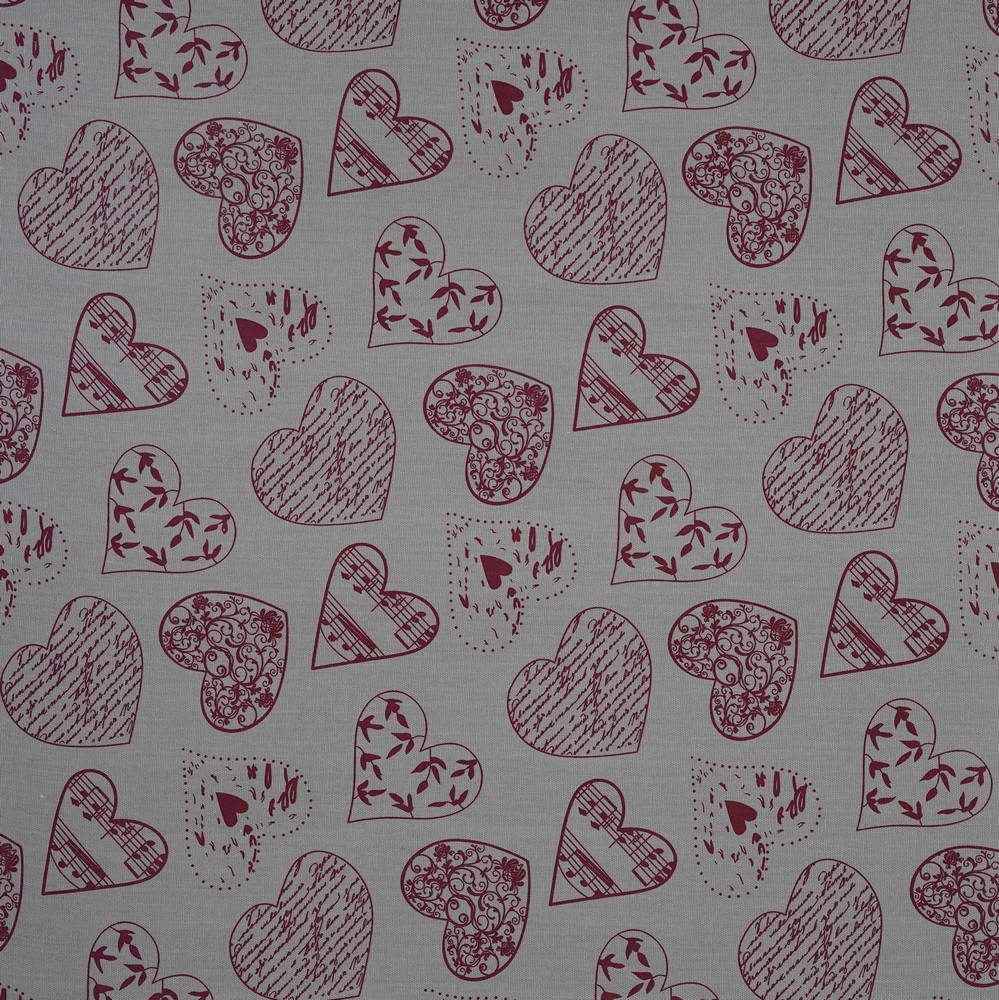
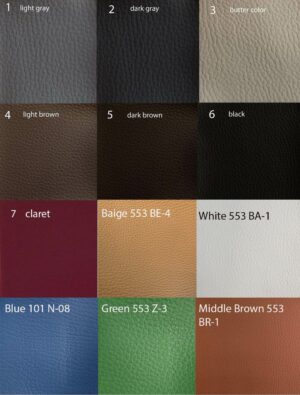
Colours of our panels:
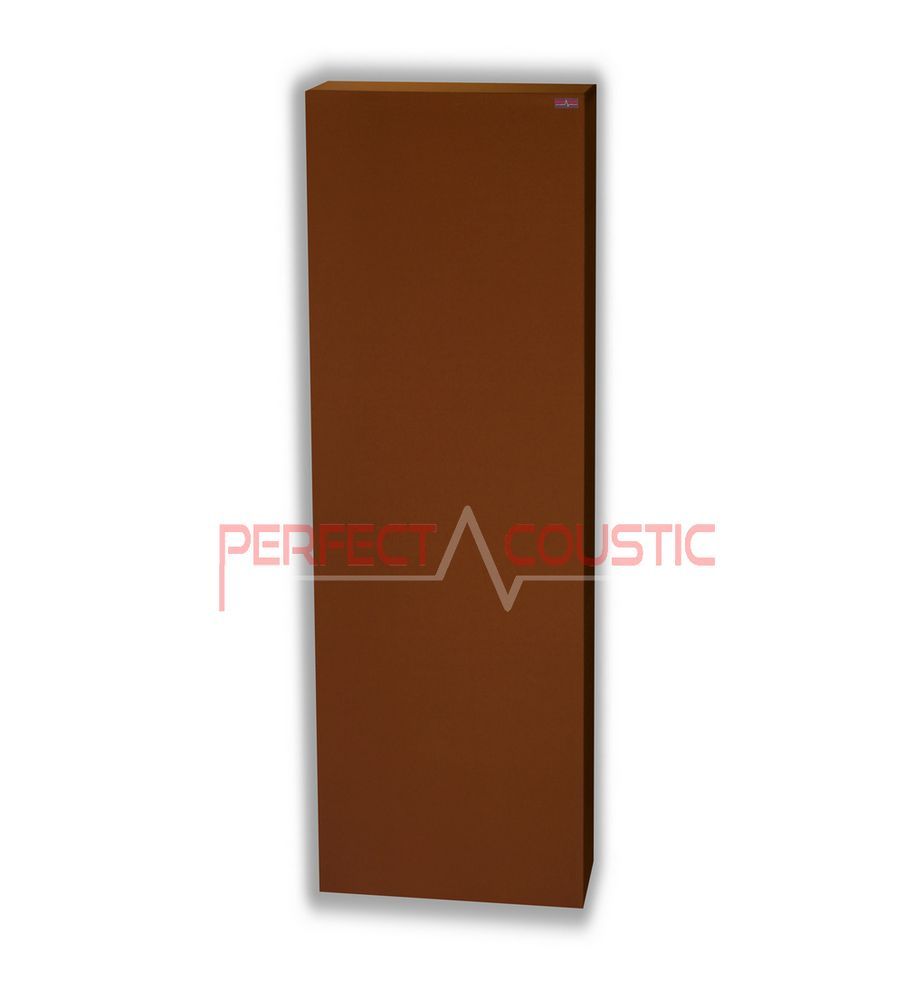
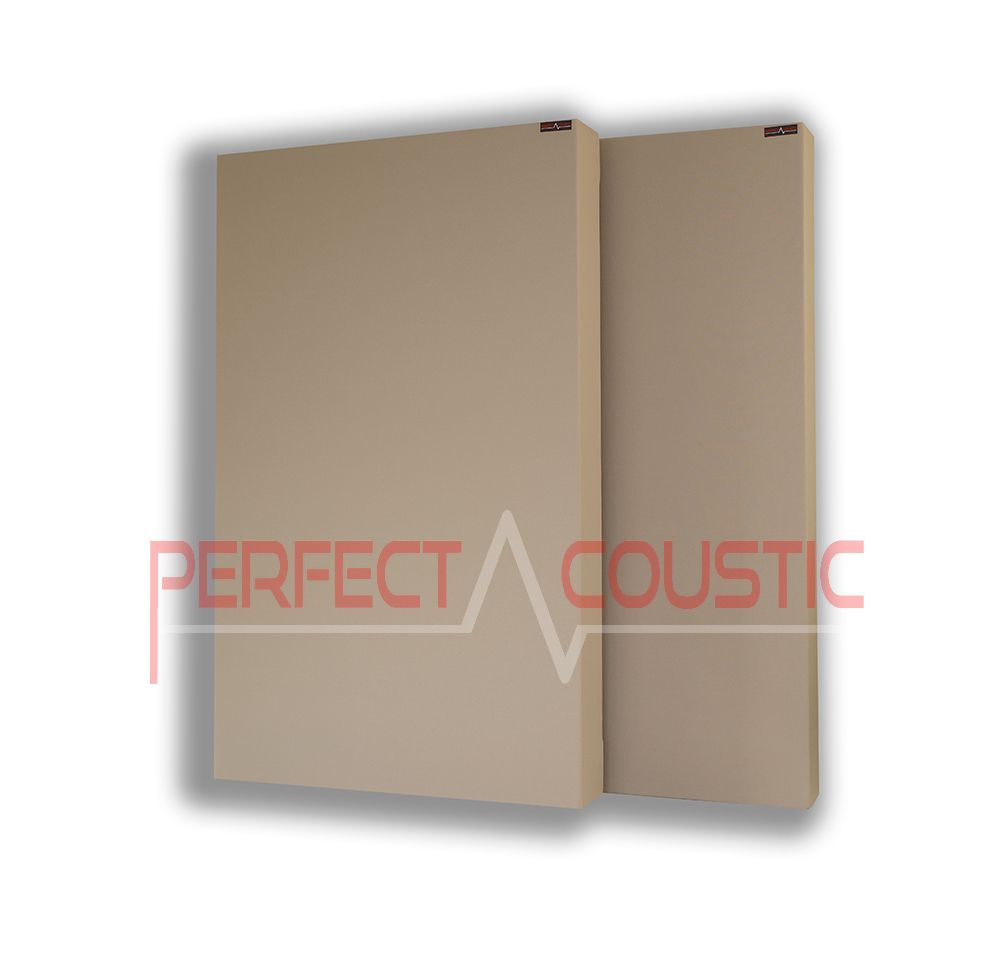
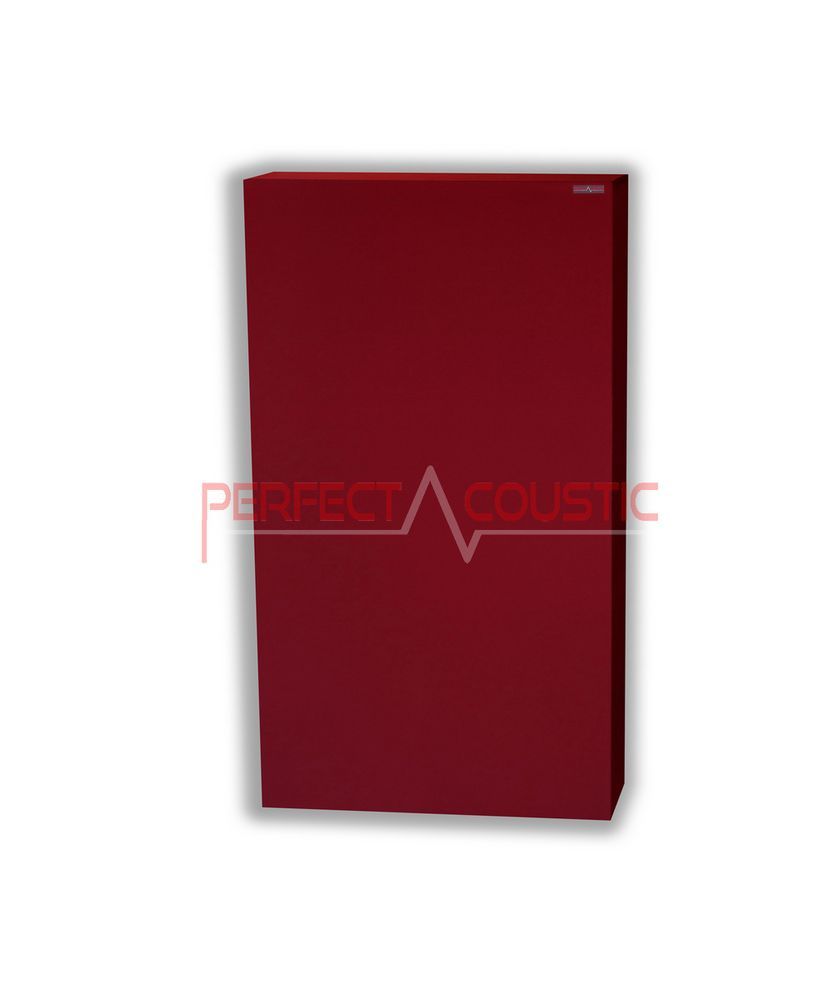
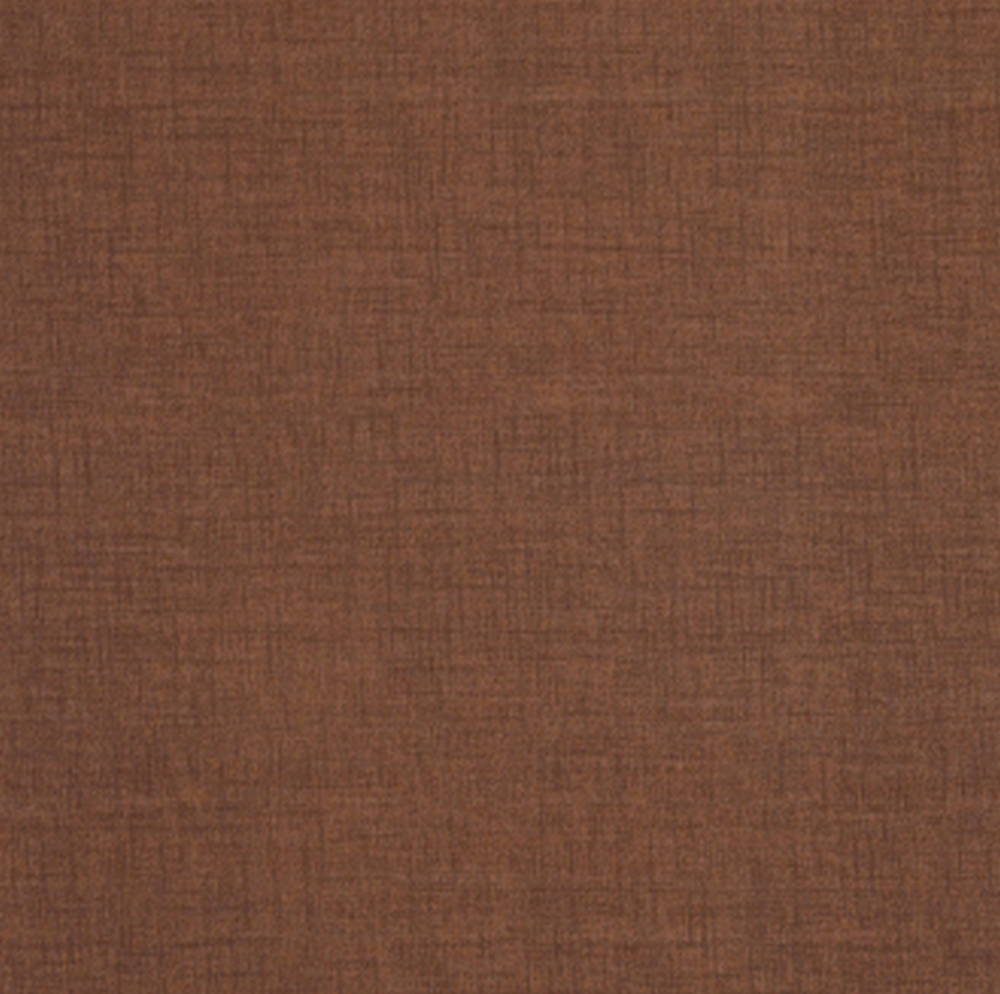
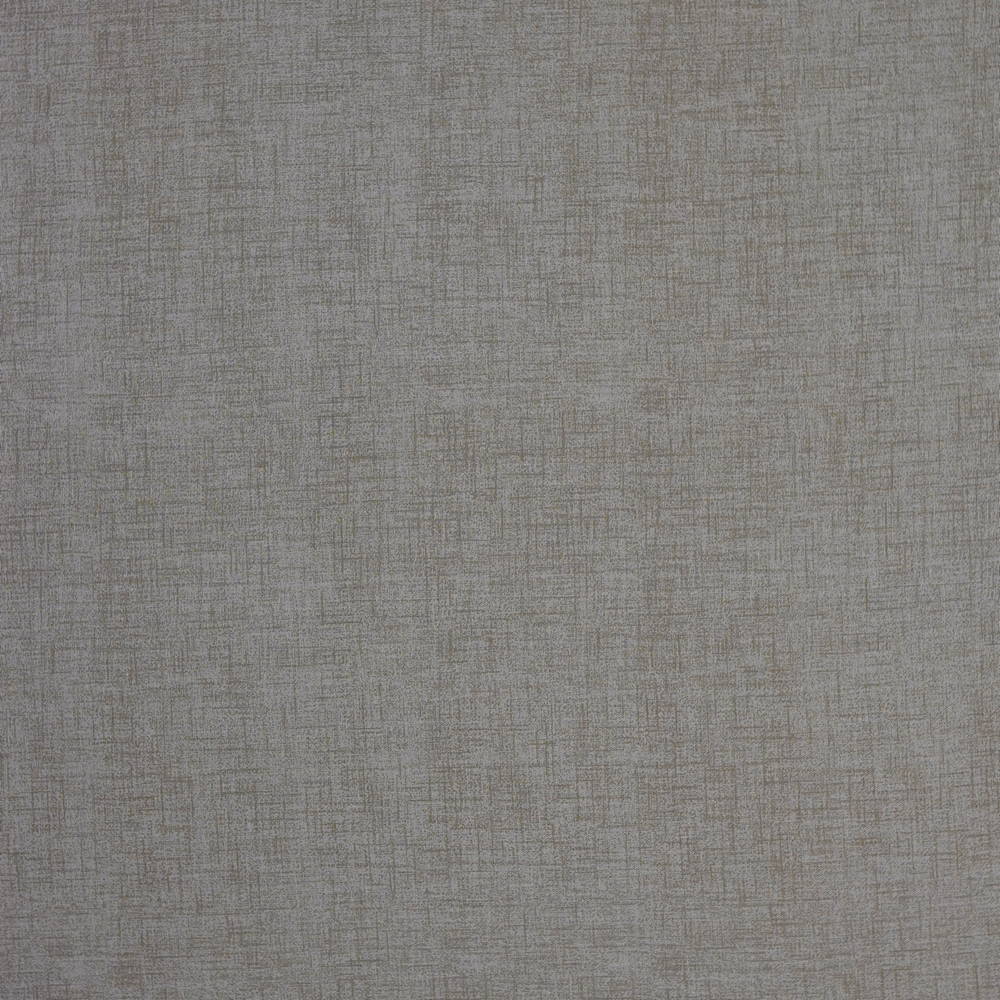
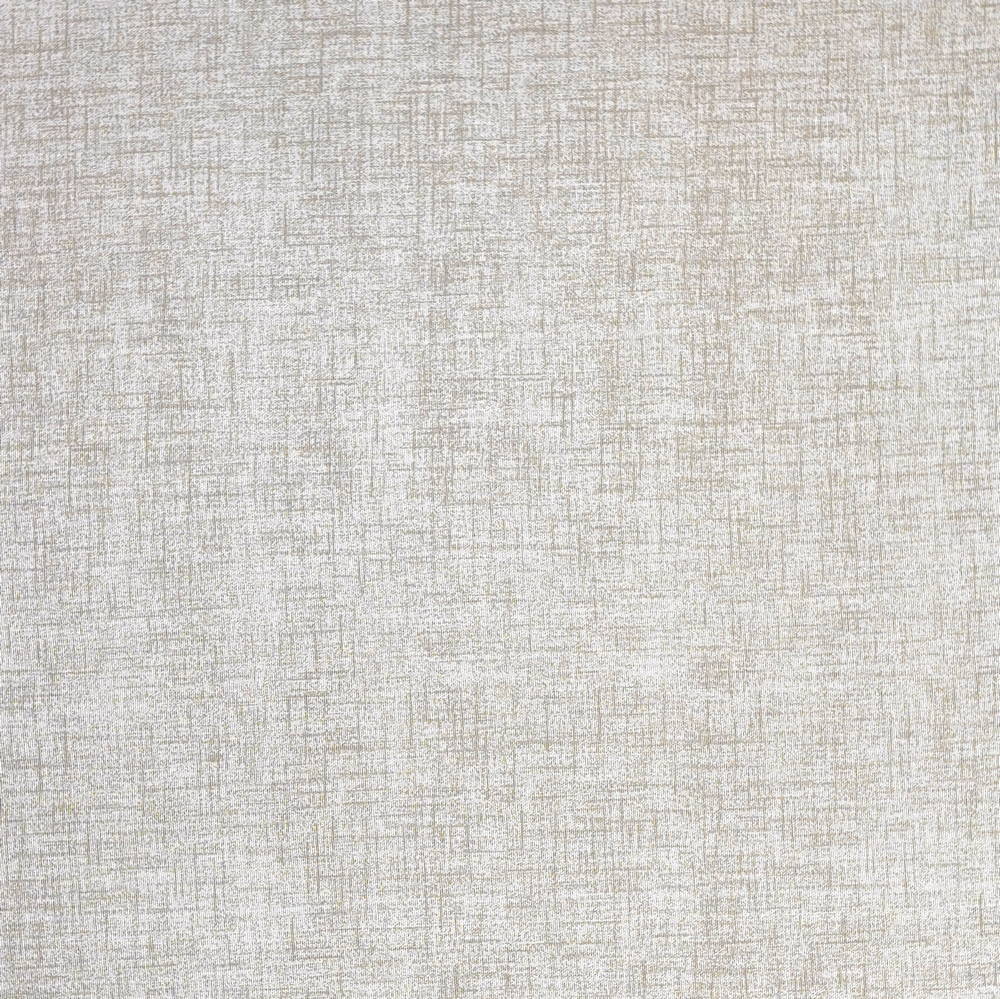
In 16 different colours.
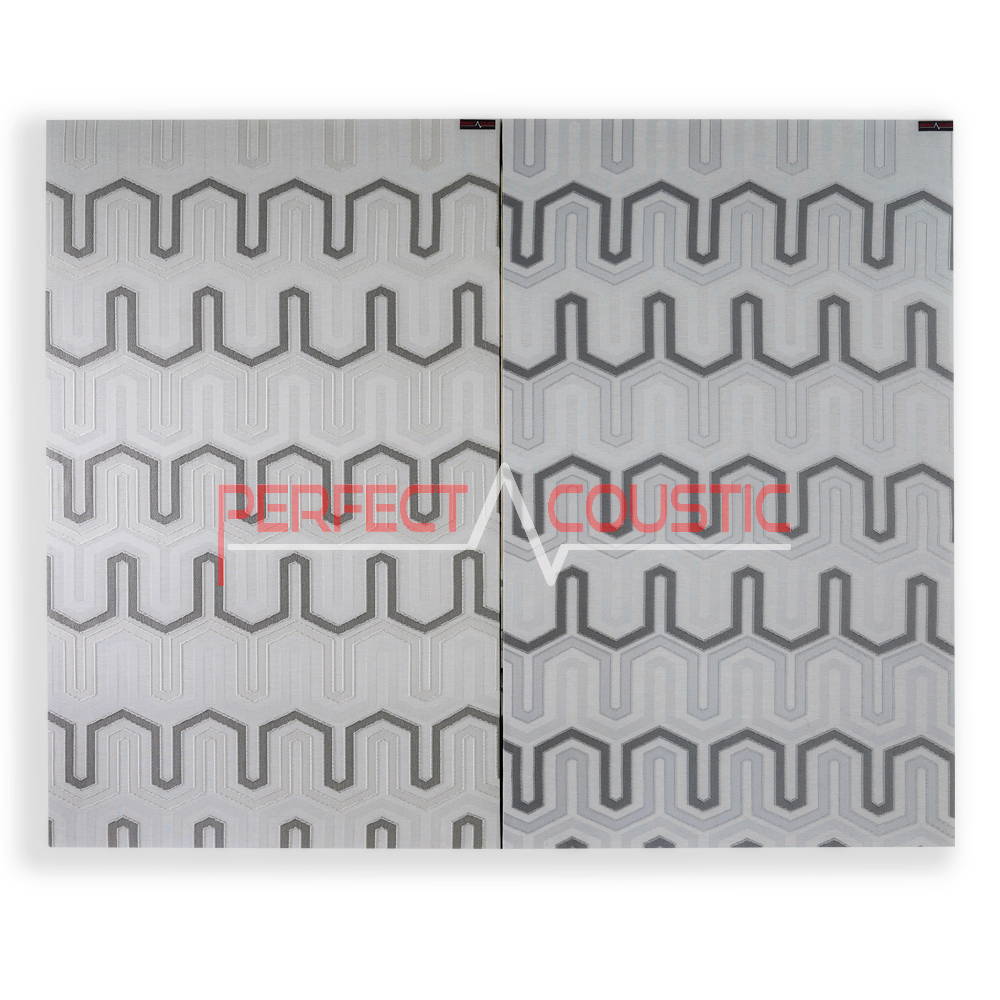
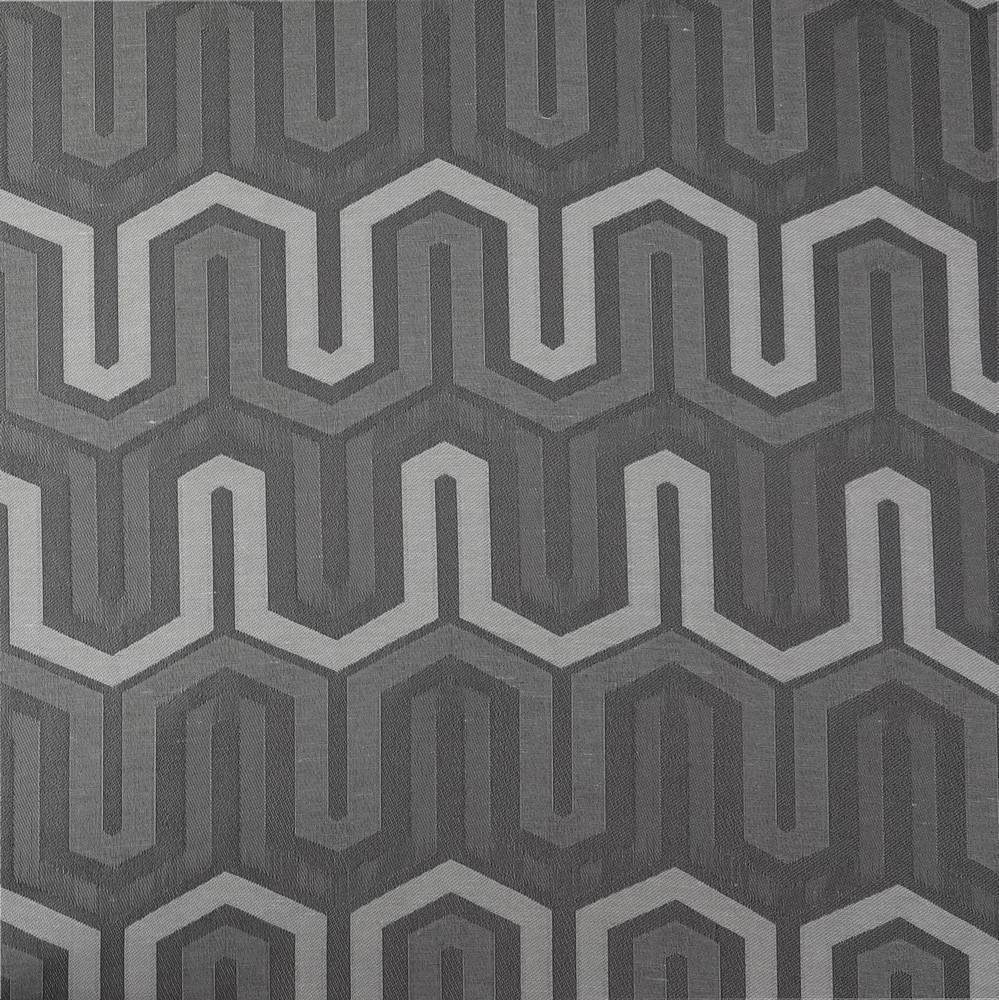
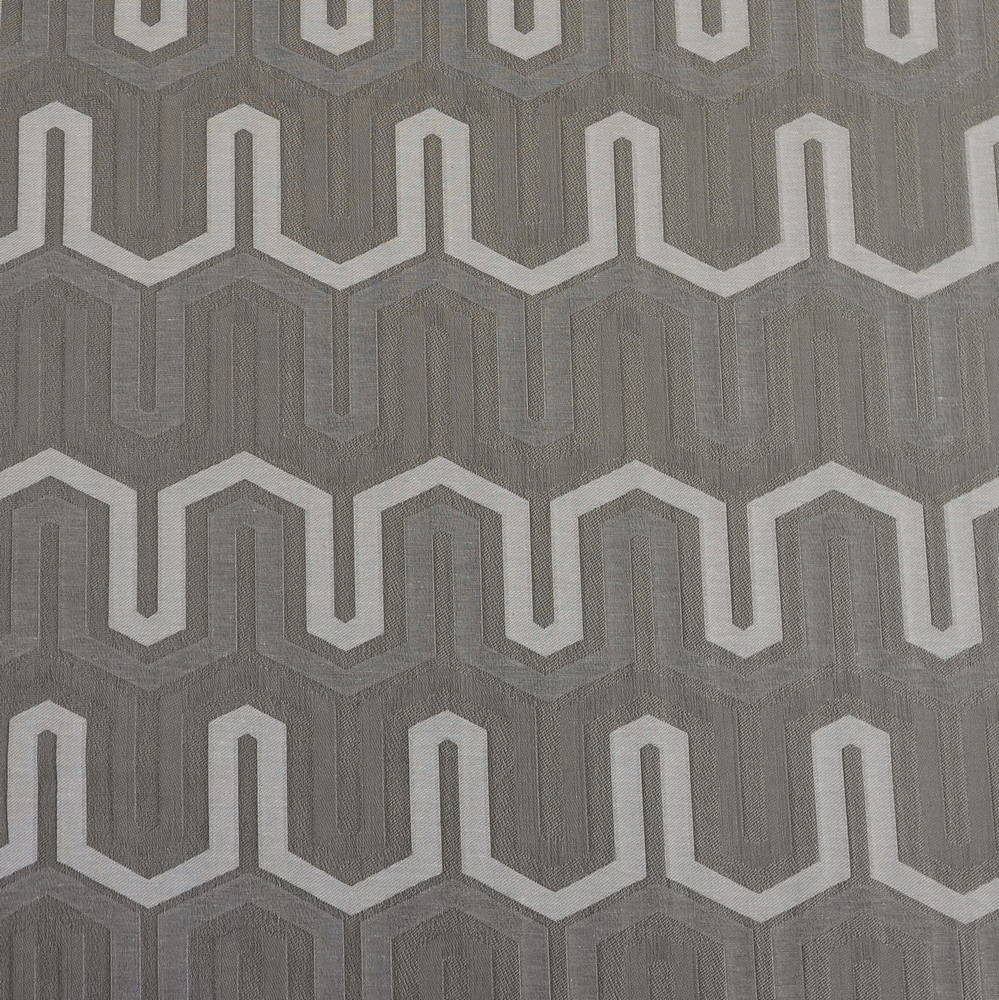
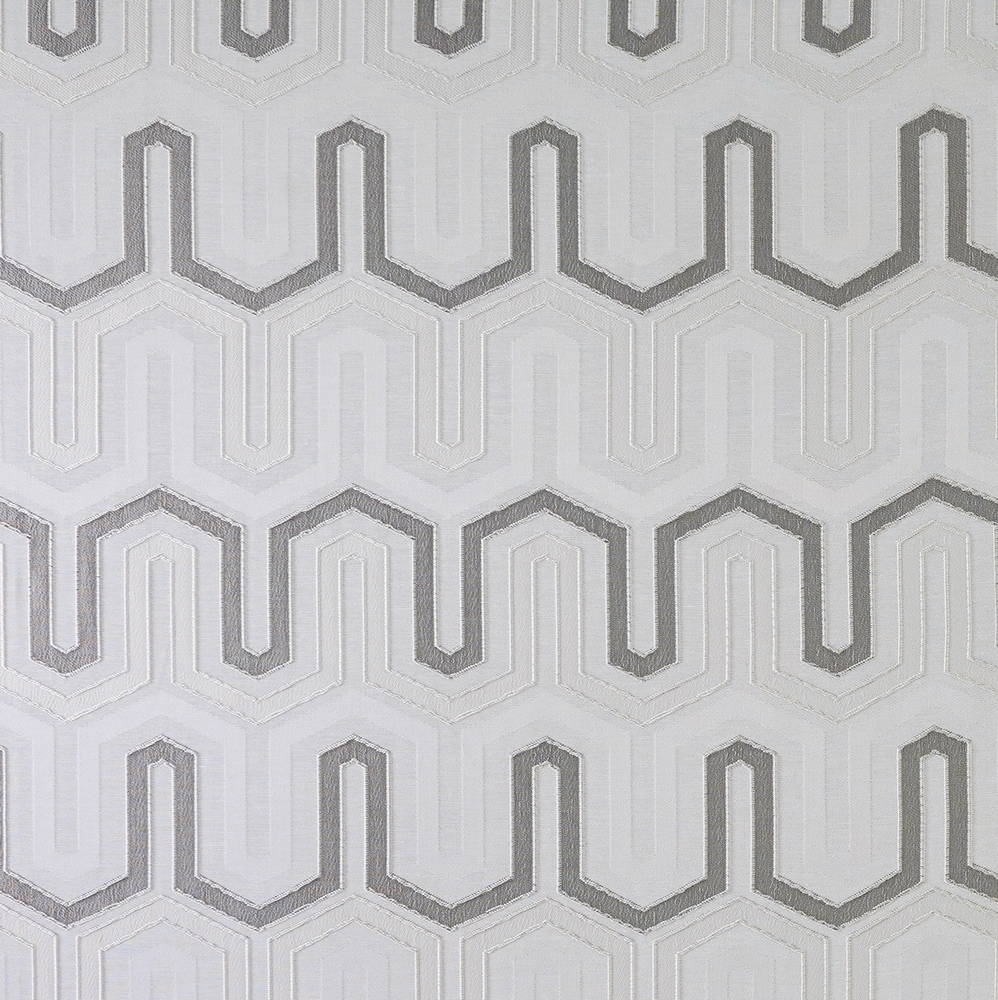
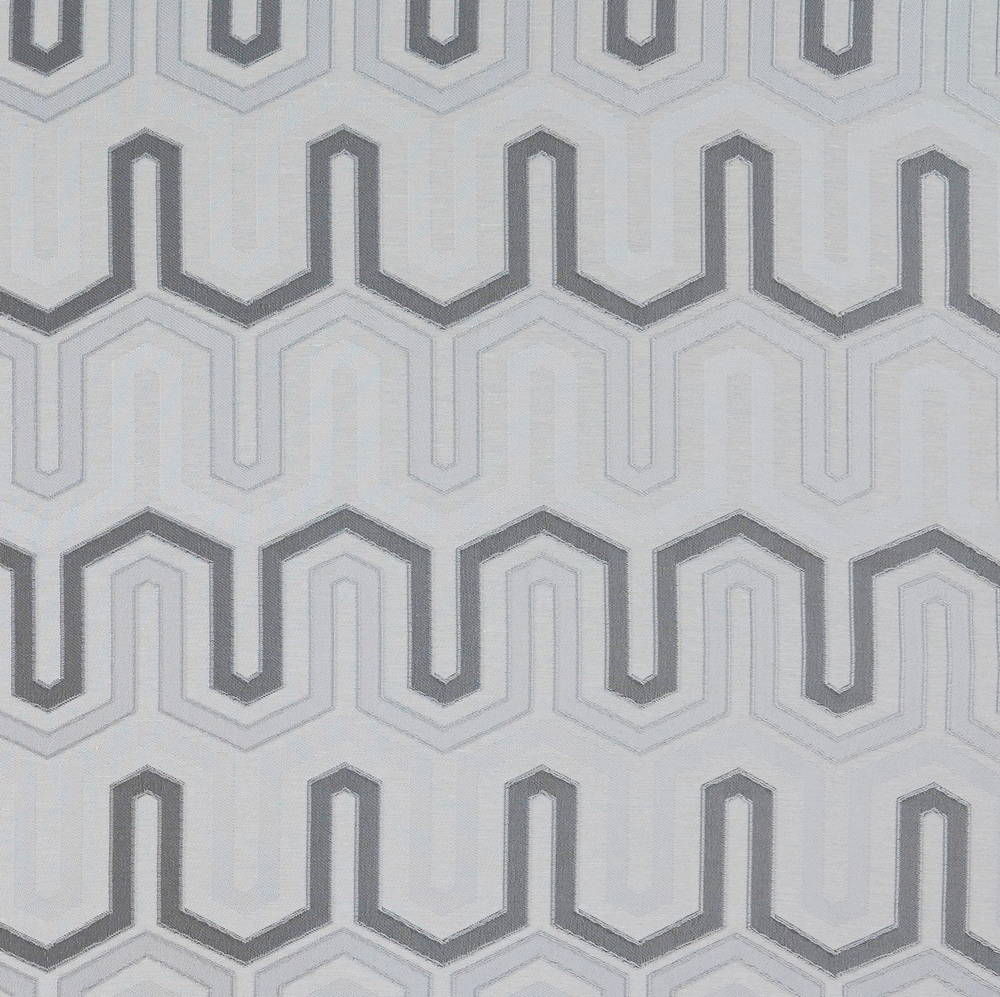
You can even request patterned cotton fabric:

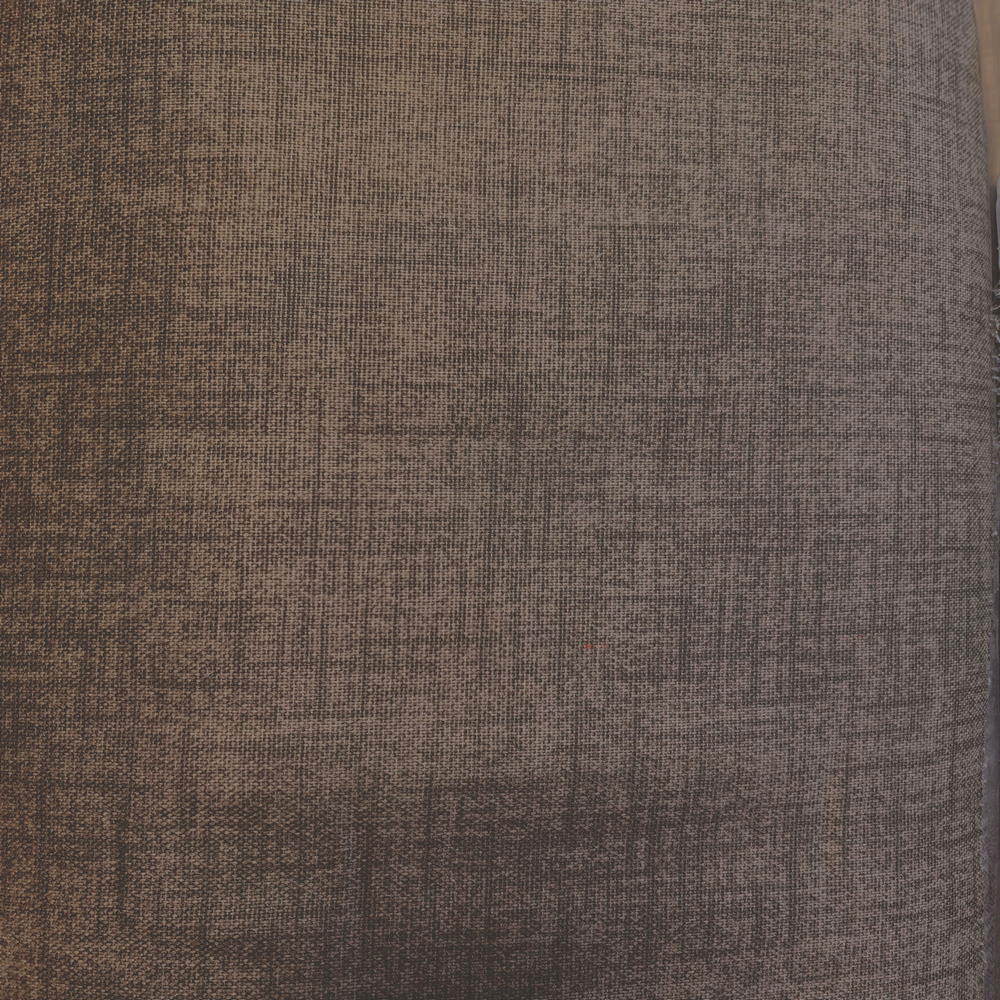
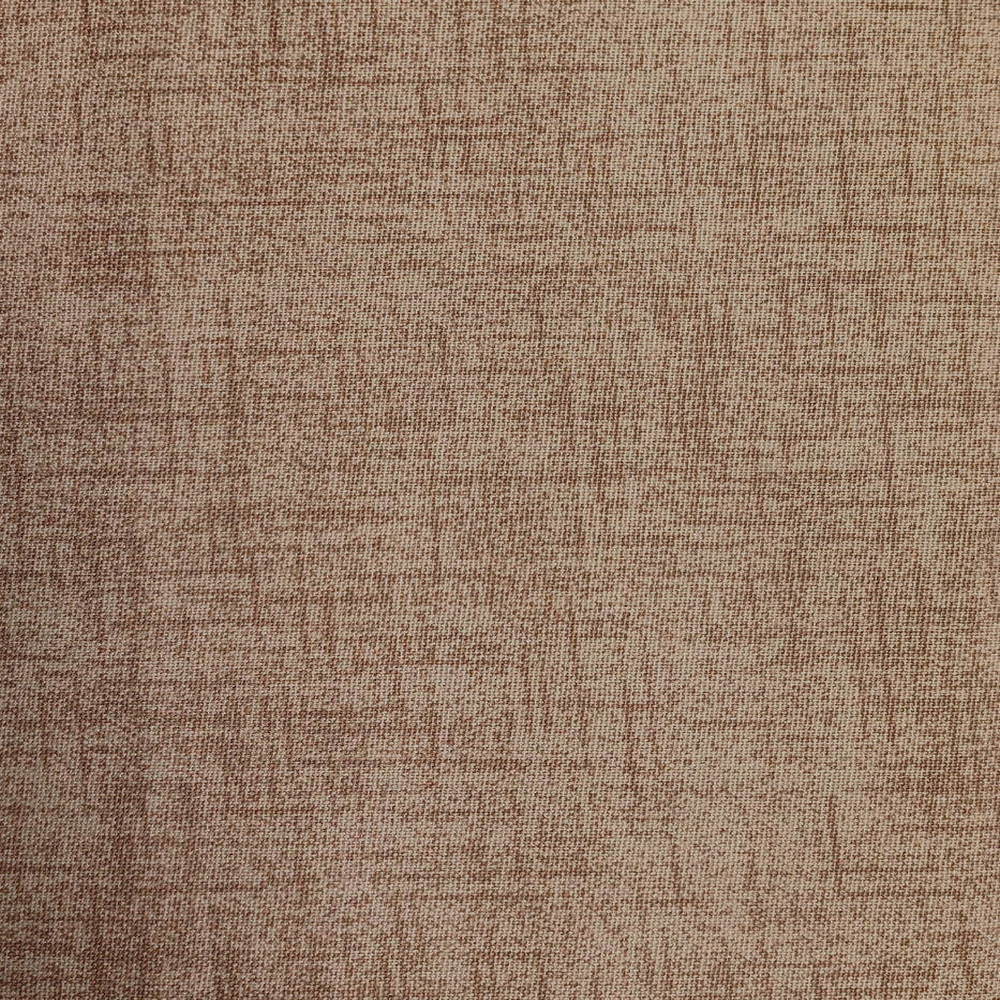
Stacking The Panels
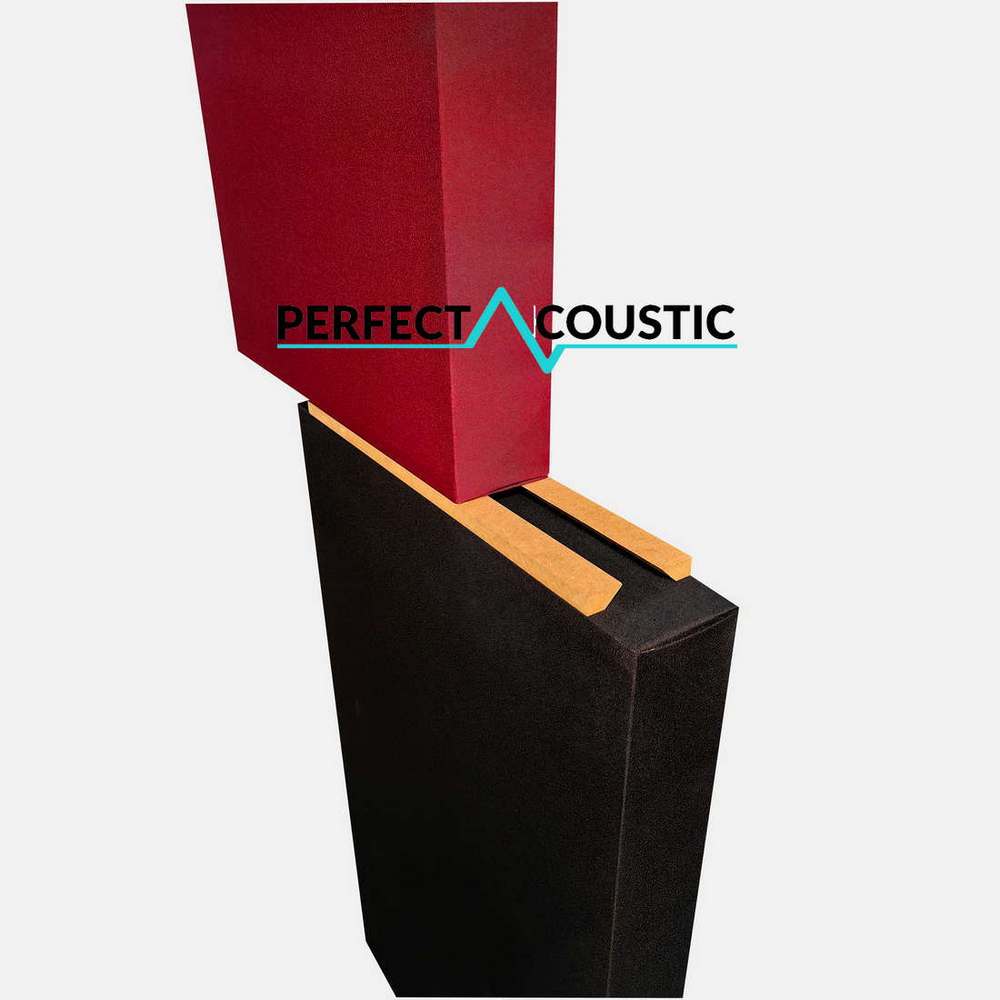
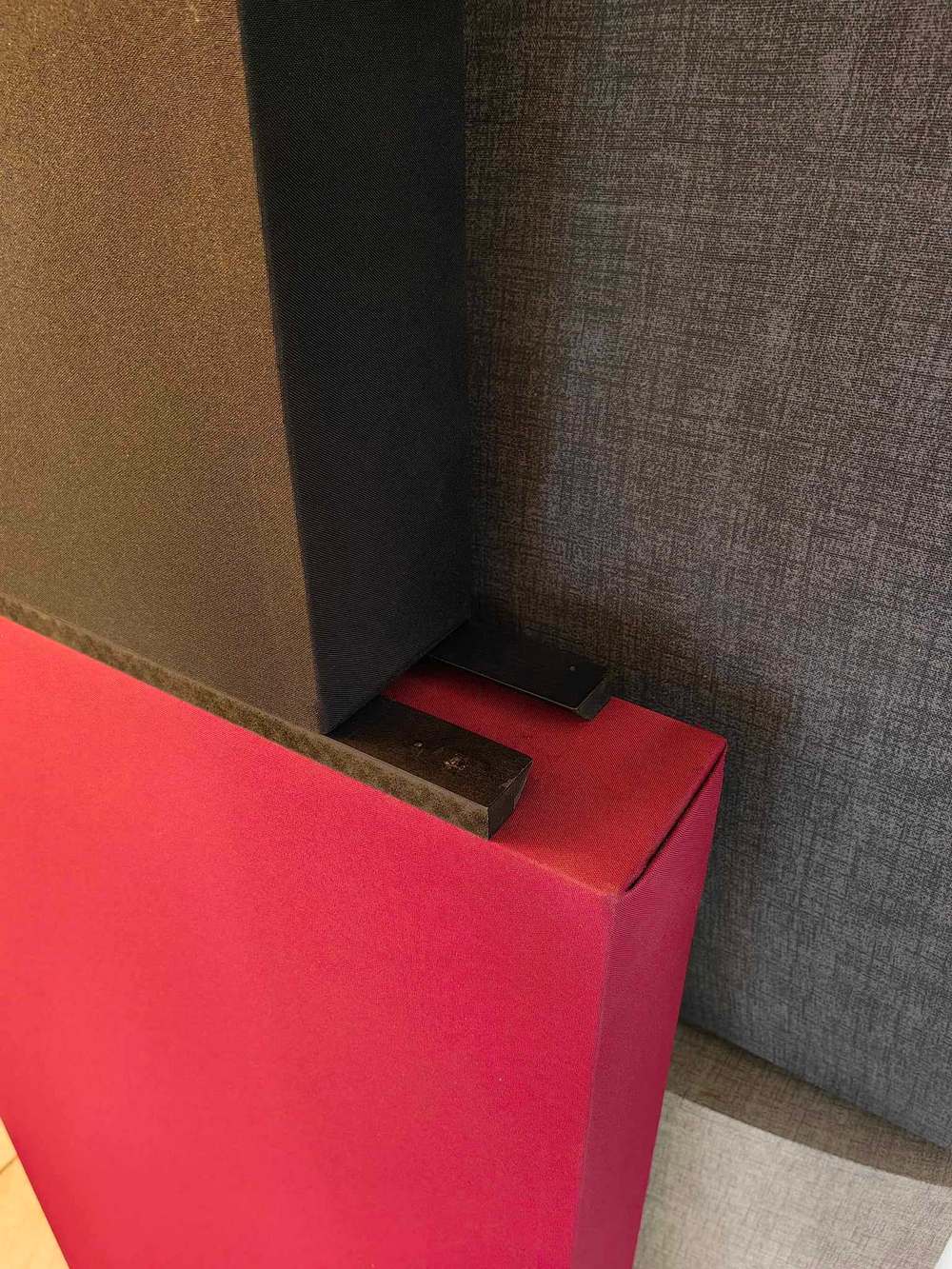
Join two or even three panels together to create an acoustic wall. The rail allows them to be joined together stably without falling apart. Fit the rails together and slide them into place. The rails are available in several colours. It is advisable to ask for the bottom panel with feet, in this case the acoustic wall cannot fall. It is recommended to use panels in places where they cannot be drilled into the wall, for example:
- sub-let: where it is not possible to drill the wall
- office: where tables are separated by an acoustic wall
- studio: behind high speakers, or as a movable wall around singers or between musicians

Aesthetic appearance, acoustic wall 
Easy stacking with rails
Easy stacking with rails
Stacking of panels with rails
Cleaning:
Wipe it with a slightly wet cloth.
Foldable wooden feet are also available on request.
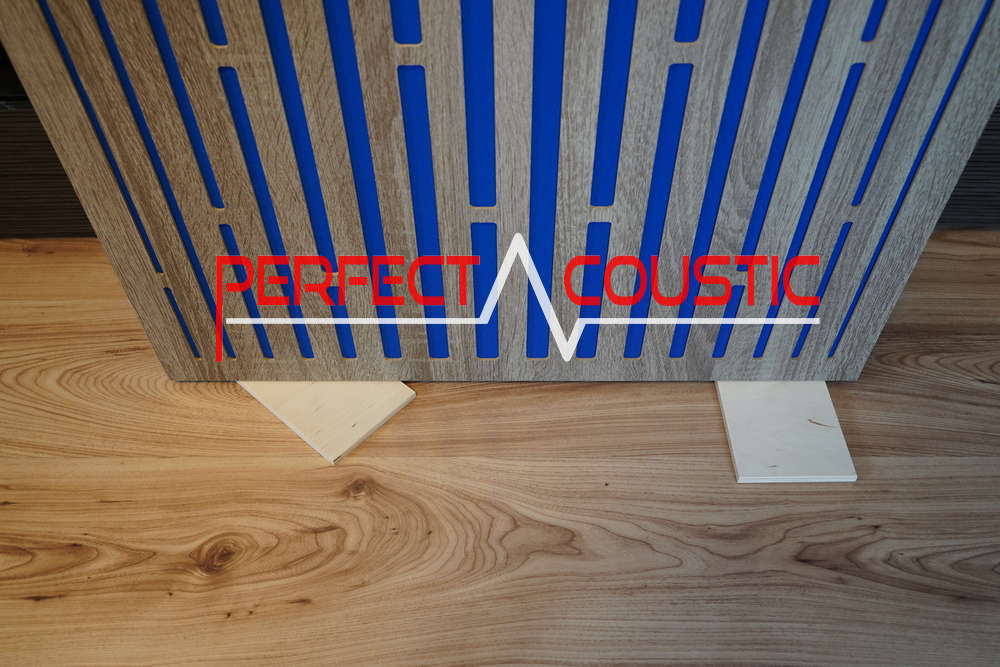
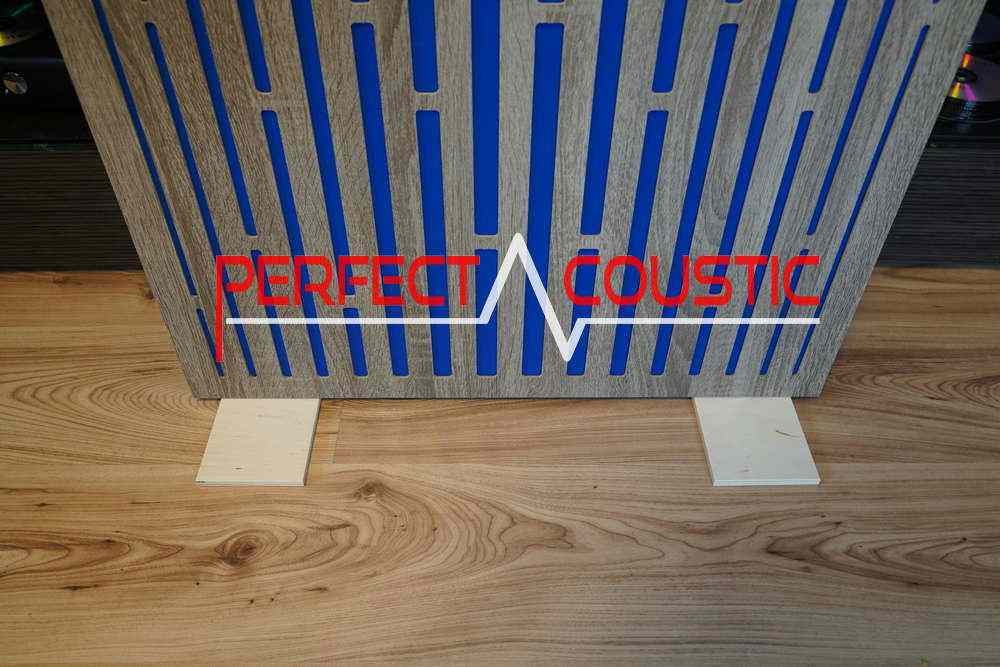
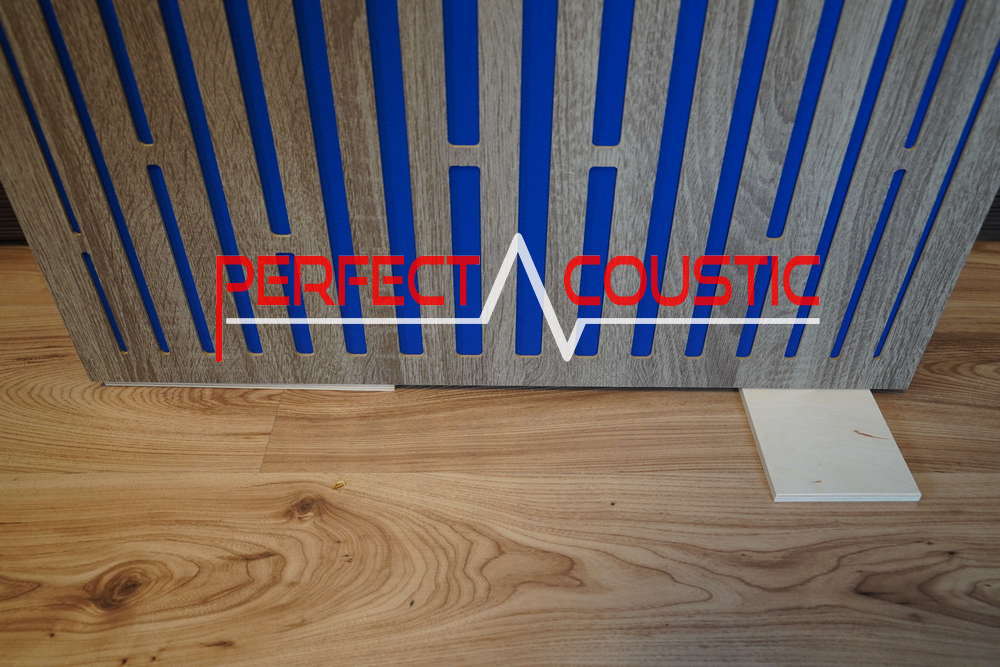
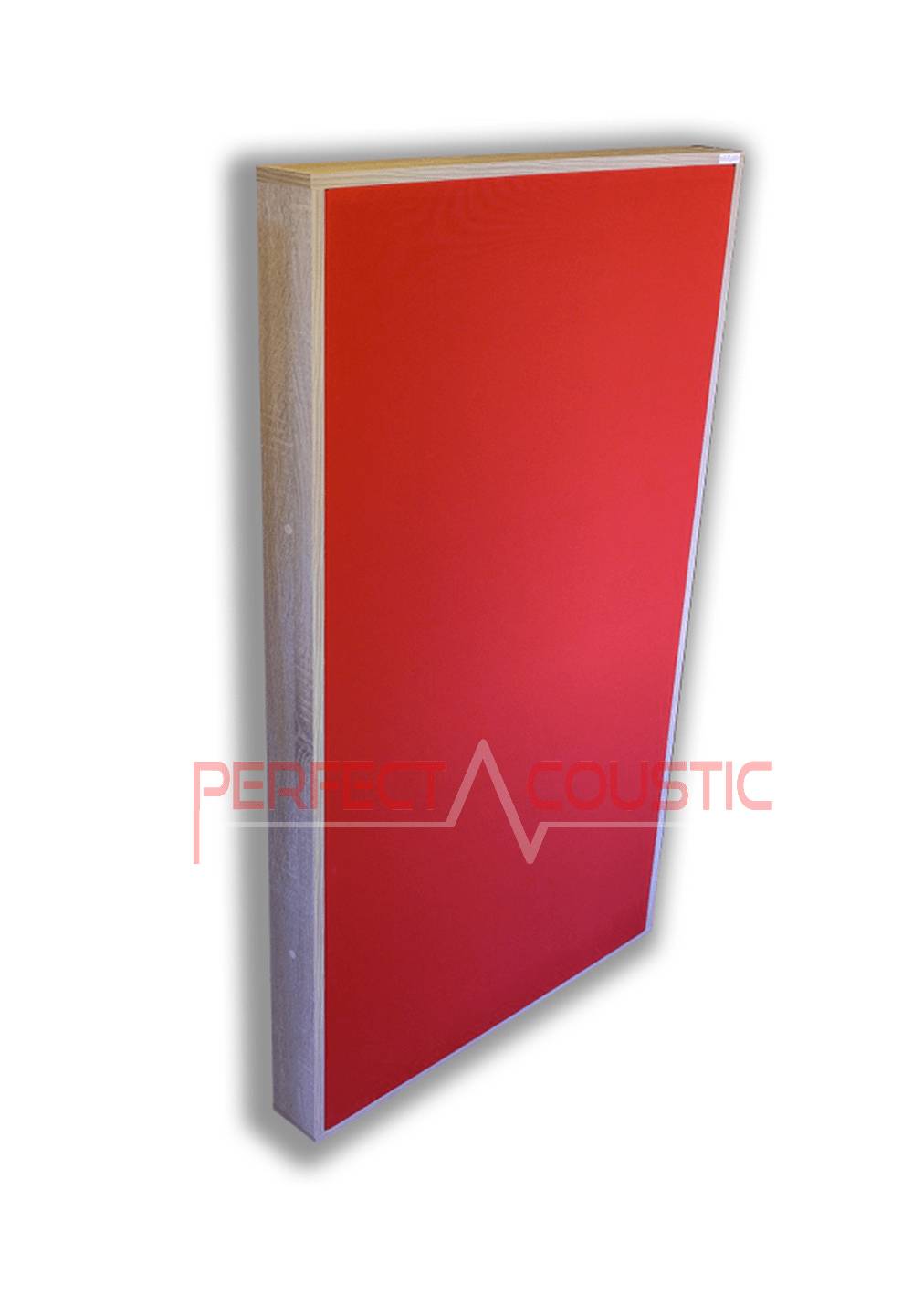
Available with 8 mm wooden frame. (natural pine colour.)
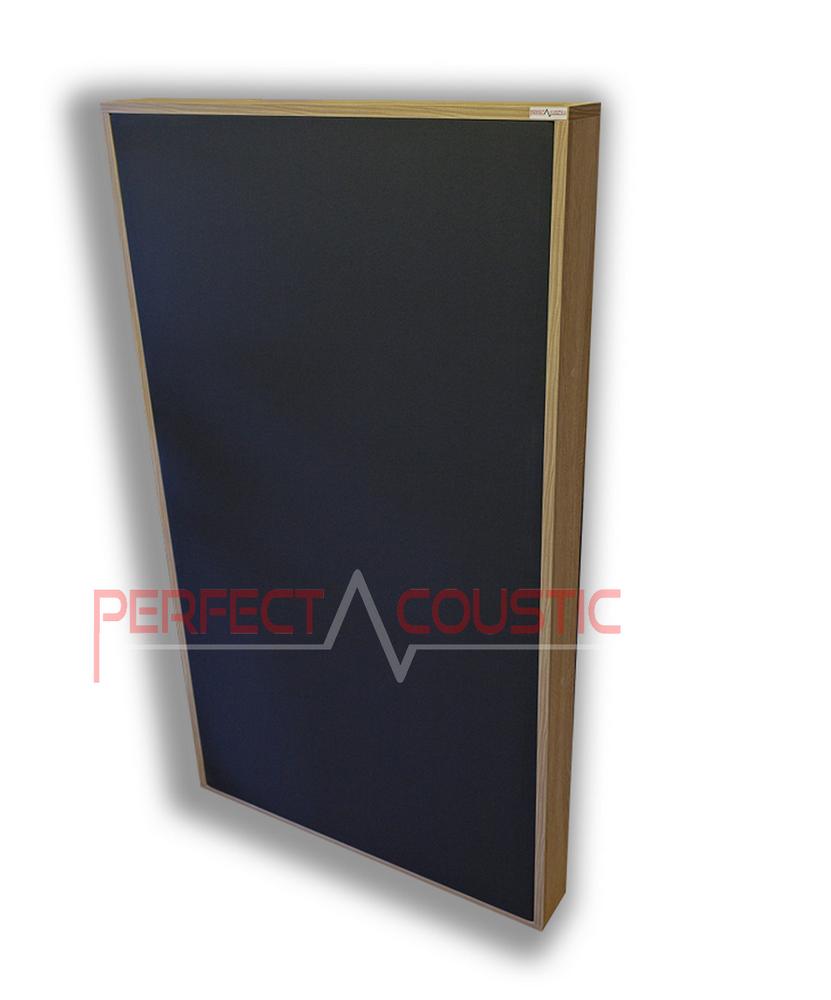
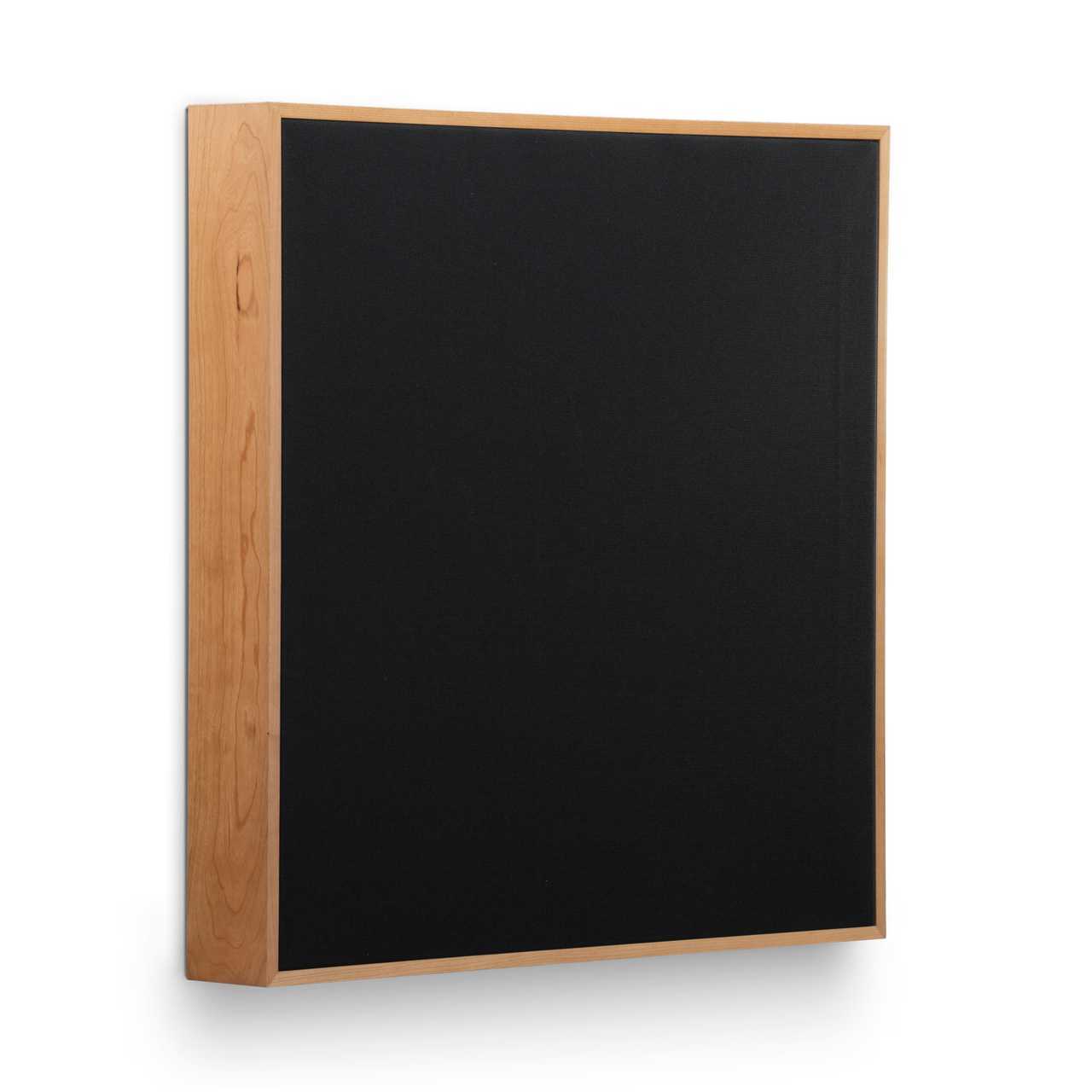
In which areas are the acoustic panels better than other products?
We tried to create such an acoustic panel which allows to treat the entire bandwidth without overdamping the higher frequencies.
Since it destroys the unwanted bass from 40Hz, we will hear more detailed and controlled bass, while the higher frequencies will remain airier and more spacious.
Sound absorbing properties of Classic broadband panels:
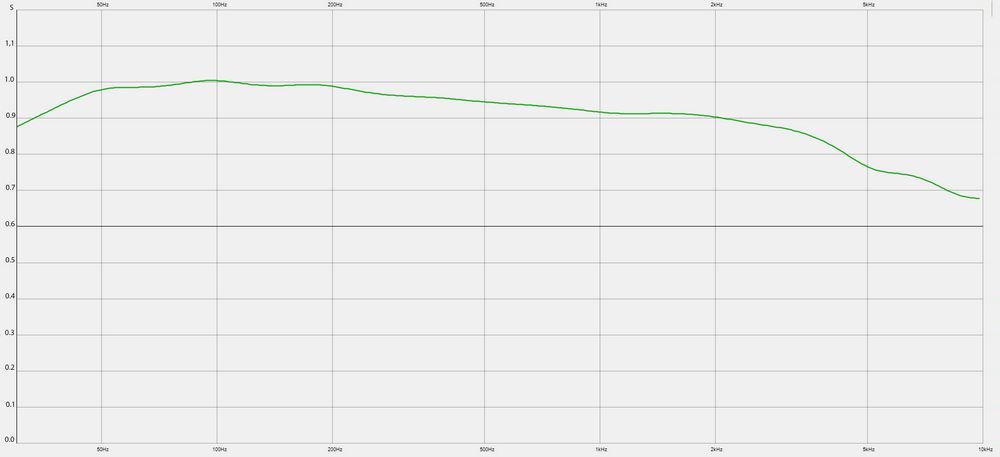 broadband panel
It dampens the unwanted sound waves from 40Hz to 20,000Hz.
All our products are continuously measured and tested.
Hooking up panels:
Add to panel:
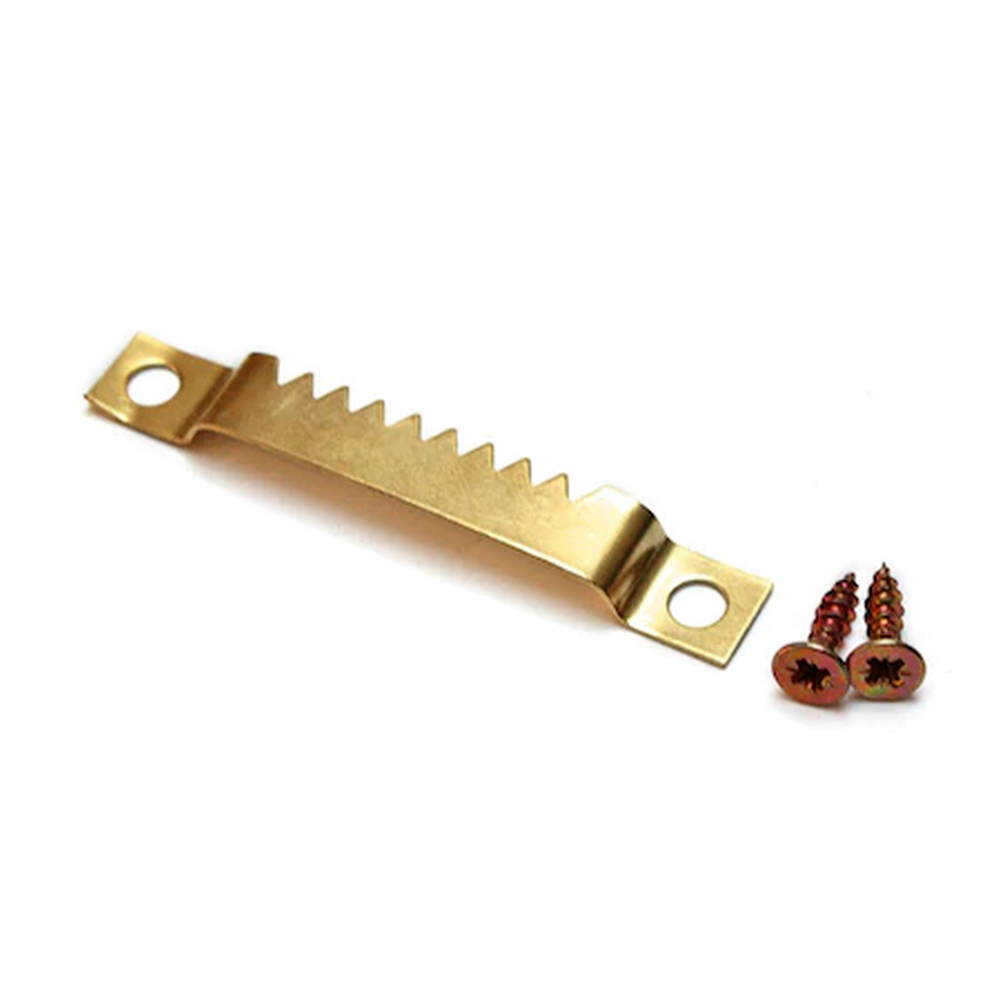
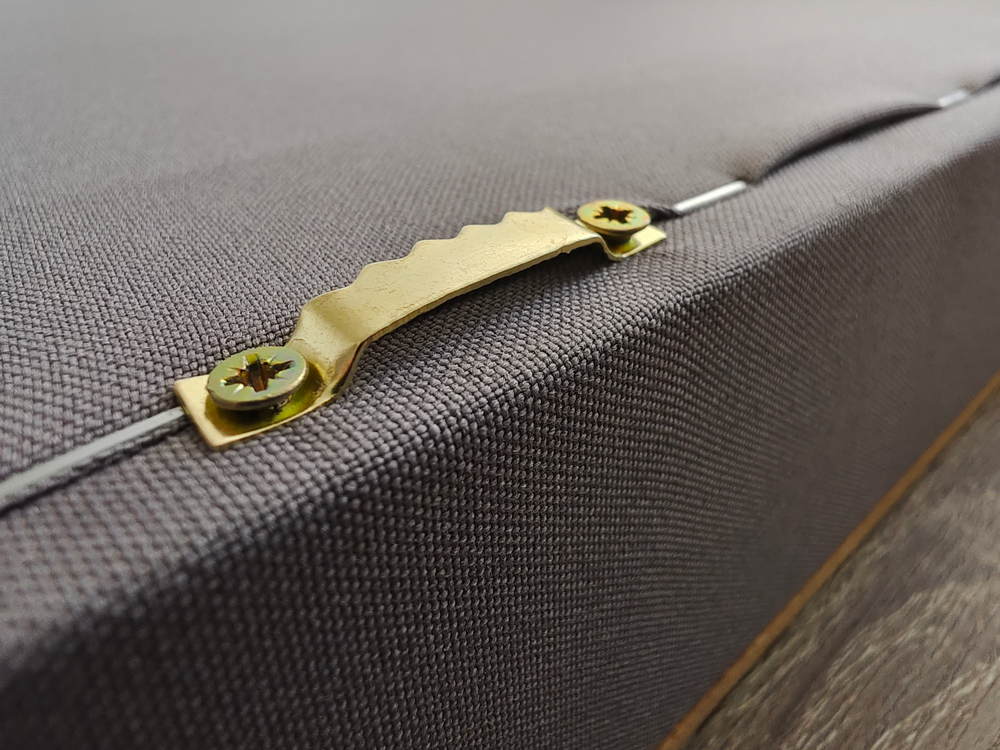
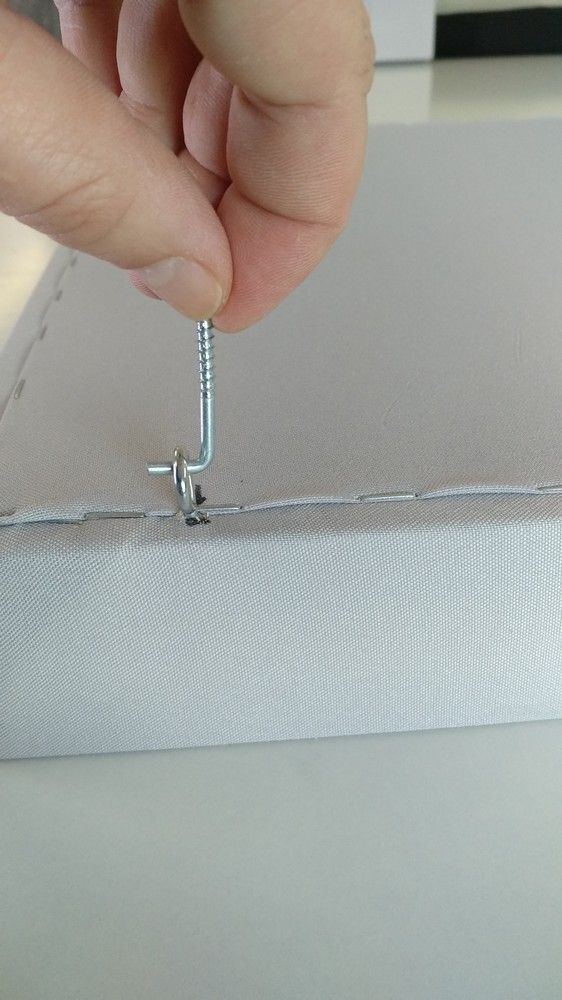
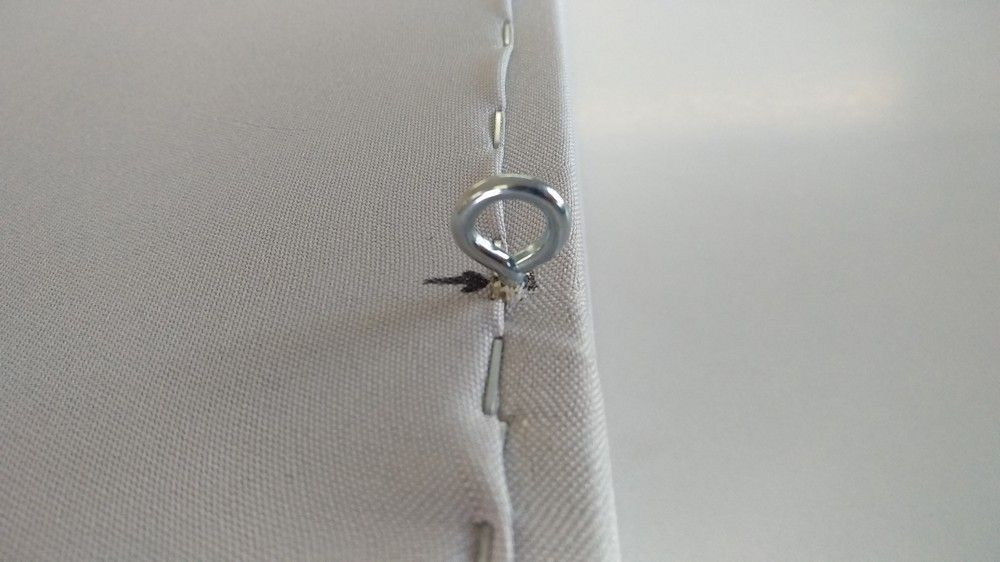
Hooks must be ordered separately. 4 hooks per set. In this case we drill 4 sides of the panel.
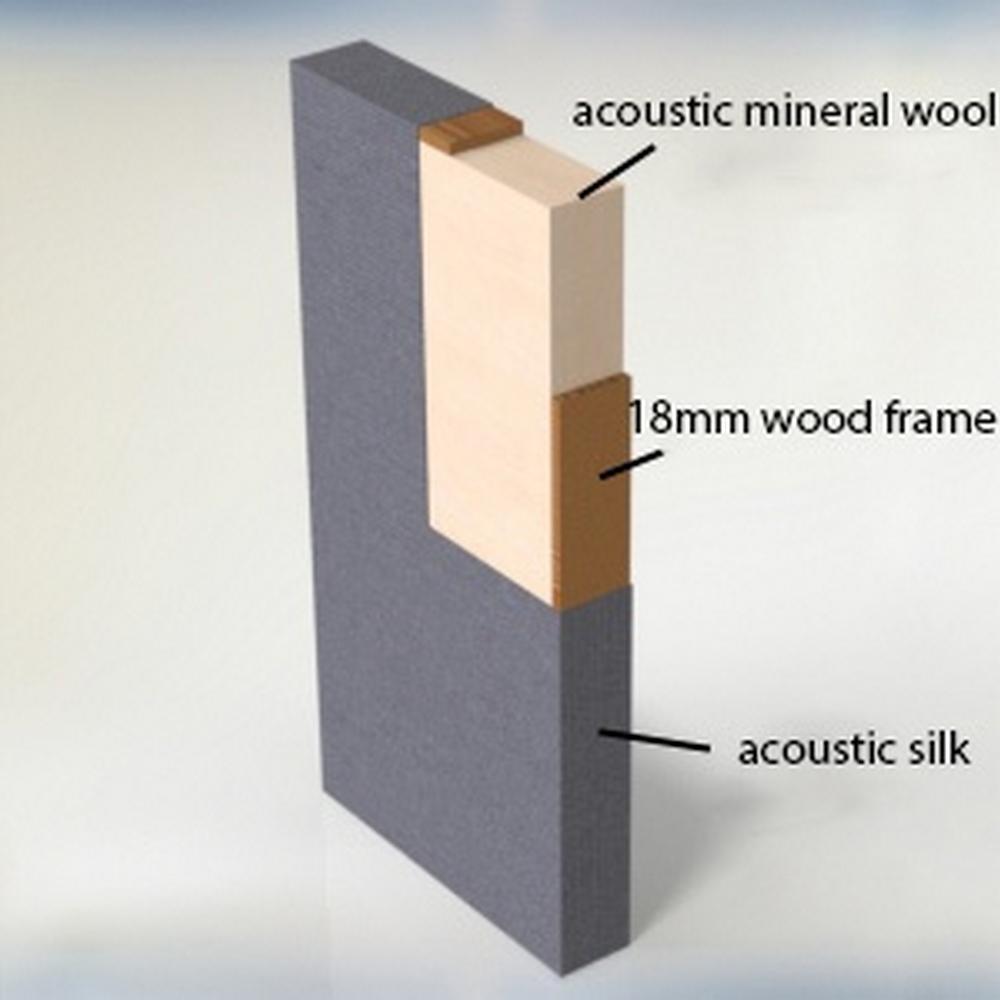
Composition of the panel:
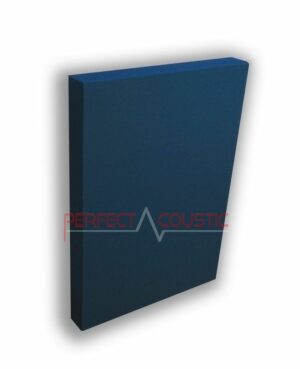
The sound panels are a series of absorber panels covered by high density acoustic velvet developed for applications where excellent acoustic performance is necessary and the too long reverberation is a huge problem.
The broadband panels made of high-density acoustic wool of 90kg/m3 have a density up to 8 times the density of typical foam panels in order to ensure the most balanced sound absorption in the audio listening frequencies. The general foam, which is 20-30kg/m3 in density, cannot absorb deep sounds. In our range, we offer the extra high-density 80kg/m3 Elitexa acoustic foam, which due to its extra high density can also absorb deep sounds.
We insert acoustic wool into a 2cm thick wooden frame. As a result, the panels can be stably installed . Each absorber panel is wrapped in a microparticulate acoustic velvet which is available in 16 different colours. (We only keep a few standard products in stock.)
The installation of acoustic absorbers is very easy.
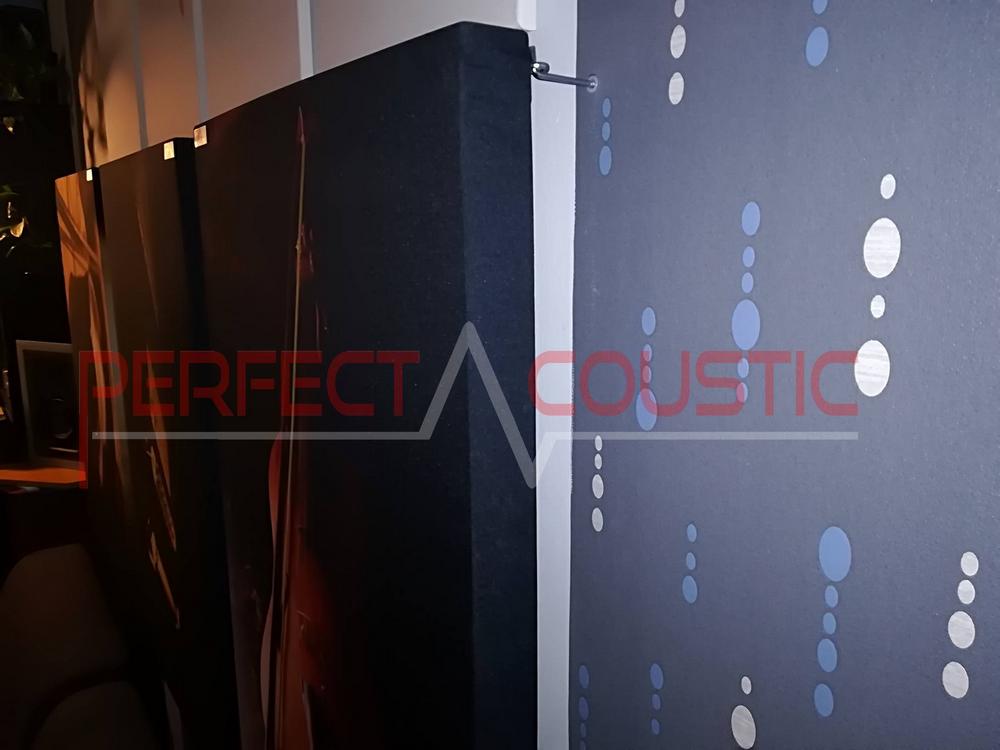
The great trick of the acoustics is that if we leave some space behind the broadband acoustic panels, we will increase the absorption of the bass.
Hanging the broadband panels is as easy as hanging a picture frame.
From the various ways of installation, we use the most practical one, which is easy to do even without expertise. Each of our acoustic absorbers come with pre-drilled holes where you can easily screw in the hooks that you have received with the sound absorption panel.
Then you should drill a hole into the wall where you screw in an angle screw, not a hook one. . Then you can easily hang up the acoustic panel you have purchased onto the angle screw.
If it is possible leave a gap between the wall and the acoustic panel. For example, if we leave 10cm between the wall and a 10cm thick broadband panel the absorption of sounds below 200Hz will double. You should not waste this absorption of bass. You can manage the same by hanging the panels from the ceiling. The only difference is that the gap here is less disturbing as on the wall.
We cannot provide wall-plugs, chains or bolts with the product, as wall structures are different everywhere and need completely different installation.
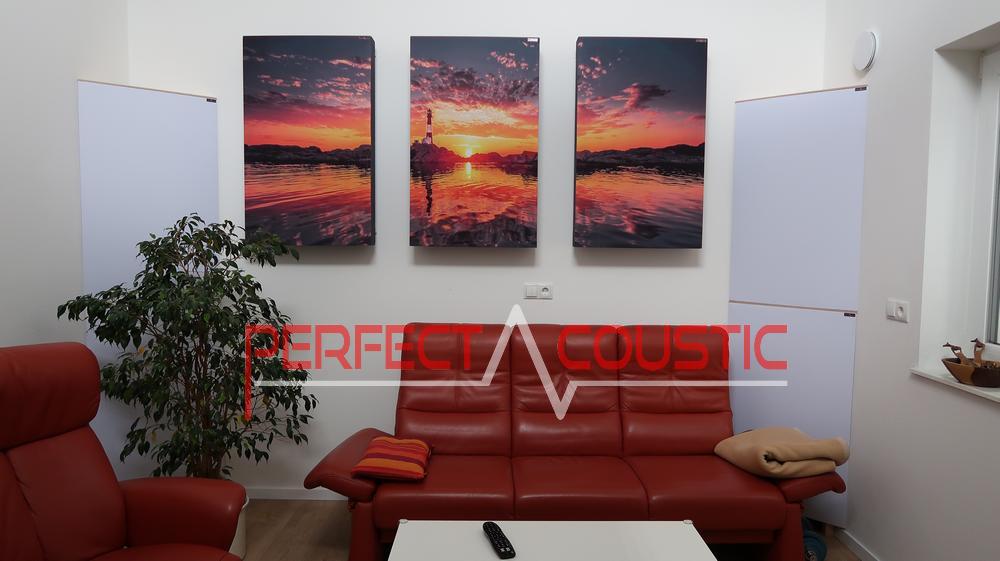
Types of acoustic elements:
We offer broadband panels in 5 different sizes and 2 different thickness. The thickness of 6 cm enables the designers to defeat the fluttering echo in offices or switchboard rooms, which significantly shortens the ability to concentrate in a workplace, cheaper and not too blatantly .
We advise the thickness of 11cm or even thicker (e.g., Cube bass trap) acoustic panels for musical installations, theatres, cinemas, or studios where the sound must be absorbed in higher volume and in full bandwidth.
Placing a broadband panel:
Actually, placing a panel is an application issue. For example, bigger absorption can be more beneficial for a studio, while the lobby or the restaurant of a hotel functions well with minimal treatment.
As you may have certainly noticed most people do not often cover their rooms – even the studios – from floor to ceiling. Most people like listening to music in relatively live and natural circumstances. That ensures relaxing and natural sense of space for us – for the people.. If the rooms are treated too much, like an anechoic chamber, we will lose the sense of space and it will feel dull.
Also, positioning of the panels will differ depending on the room. For example, simply mounting the panels on the wall in a restaurant or in an office will improve the conversation and the sound of computers. In such cases, positioning is usually based on practice, for example, where wall surfaces are available. In certain cases, people prefer a smoother or more balanced approach by distributing the absorption panels in order to ensure the same calm environment for everyone. A good example of this is conference rooms.
People prefer placing more developed panels for the most sophisticated, critical listening conditions. The most frequent configuration is known as dead end or live end where one end of the room has higher absorption percent than the other one. In a studio, the source end can be treated while in bigger rooms, such as theatres, it is rather the back of the room that can be treated.
Maximising performance
There are numerous acoustic tricks available to make the acoustic installation simpler and more efficient:
Mounting the sound panels at ear level:
The first simple trick is to mount the broadband panels at ear level. This is efficient especially if they are in smaller rooms such as home theatres, classrooms, conference rooms or studios. The advantage is that they are further away from the chairs and the people walking along the chairs, which may damage the panels by accident.
Treatment of parallel surfaces
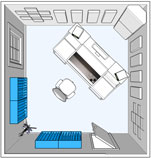
Another trick is related to parallel wall surfaces. Most rooms are rectangular. It means that huge rooms have two parallel walls. Sound is very directional – especially in high frequencies – and because of that it beams up like a flashlight. Two parallel wall surfaces are needed to maintain the fluttering echo. If you treat only one, the echo will be reflected quickly.
Leaving space between the panels.
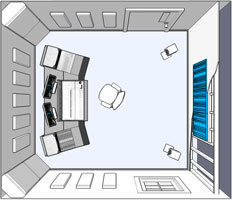
As the sound is able to penetrate the side ends of the panels, the space between them usually increases the absorption. Therefore, unless you try to cover a room completely, you can save money by leaving a space between the panels.
Use the advantages of corners
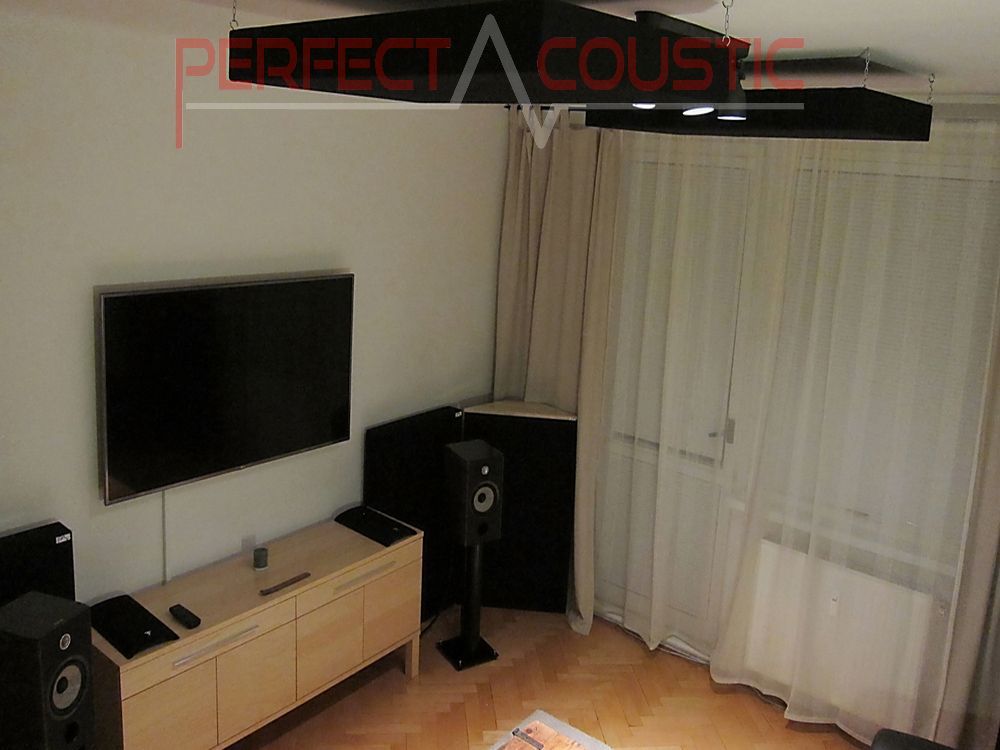
As the sound spreads spherically, the panels can easily trap it when it leaves the source by “capturing” it before it returns to the room. If you treat a wall or a wall surface in a corner between the wall and the ceiling, you can actually benefit twice from the performance.
Acoustic ceiling elements:
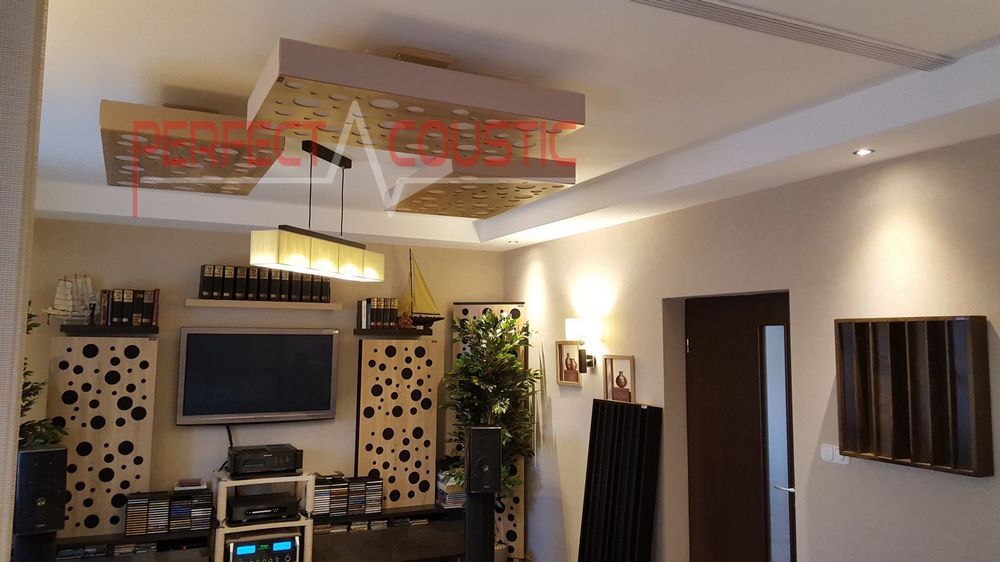
If there are no walls available, the top of the room can be a good alternative for sound absorption. For example, big windows may occupy the walls in a restaurant or in a hotel lobby..
Can the acoustic panels be hanged from the ceiling above noisy areas?
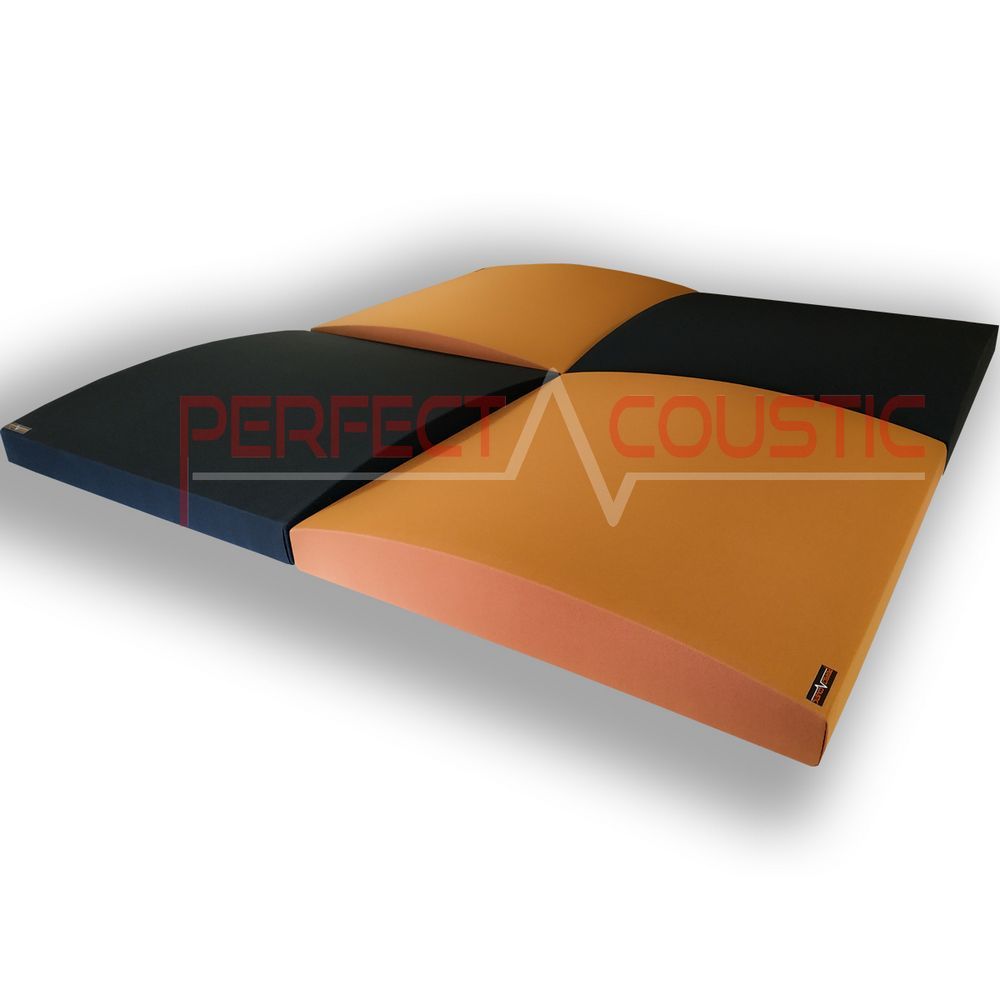
Those who want to add a decorative element to their room can use the 3D panel. If they chose these rounded, semi-circular panels which can be combined with rectangles and squares, they will create acoustic windows and art forms, and the same time, they will manage the sound as well.
The next most important set of questions can be summarised mechanically:
In other words, how easy it is to handle and mount the panels on the wall? What about durability? Service-life? What about removal and cleaning up?
If you have ever tried to remove the glue caused by a foam from you walls, you may know how challenging it is. If not, you will be surprised. Repairing the damage caused by glue is usually more expensive than the cost of panels.
What about durability?
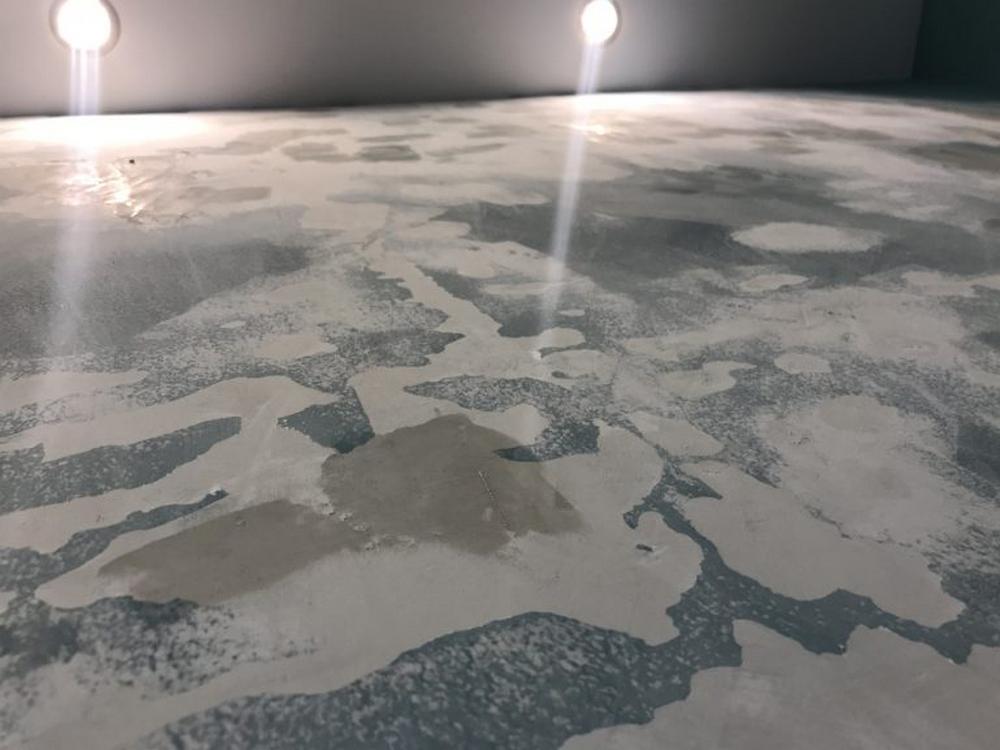
If you prevent our sound panels from physical impacts: blows, drops, etc., it will function forever as thanks to their hard, wooden structure, our acoustic elements cannot be deformed. The acoustic silk coating, leather coating or the printed acoustic silk do not fade and do not lose their colour. Of course, you have to protect them from the sunshine similarly to all textile fabrics.
If anyone has ever tried to restore the wall after fitting an “acoustic” foam on it, they will know that repairing the two tiny holes left from our acoustic elements is a piece of cake. If we just consider this, the result of the foam or styrofoam, whichwas thought to be very cheap, will be significantly more expensive than our sound absorption panels. The glue used for the foam is usually more expensive than the foam itself. Not to mention the complete renovation of the walls and painting the room afterwards. The general foam, which is 20-30kg/m3 in density, cannot absorb deep sounds. In our range, we offer the extra high-density 80kg/m3 Elitexa acoustic foam, which due to its extra high density can also absorb deep sounds.
Cleaning the panels:
You can wipe any of our products with a slightly wet cloth.
Before choosing the acoustic panels and the colour, it is advisable to take into account the “delicacy” of the colour of the material. Unfortunately, blight colours (only textile) will get dirty sooner, thus they can become very ugly due to circumstances beyond our control, the stain will not disappear even if it is washed off. It is advisable to choose darker acoustic silk for dusty rooms.
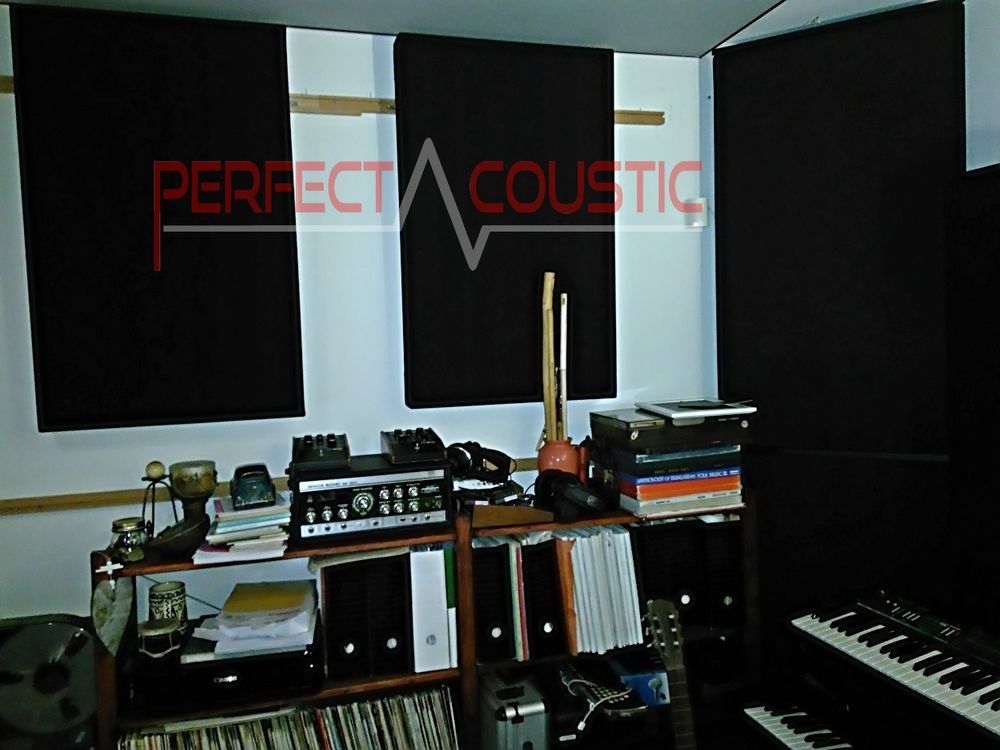
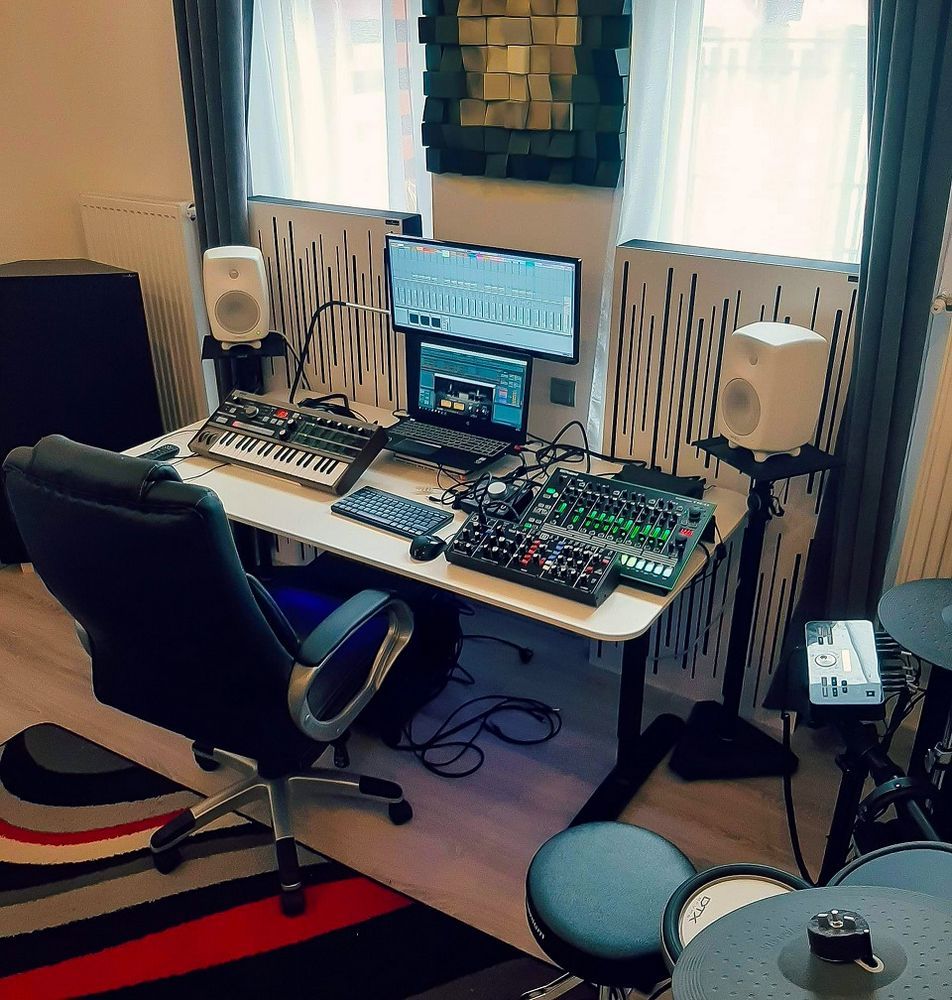
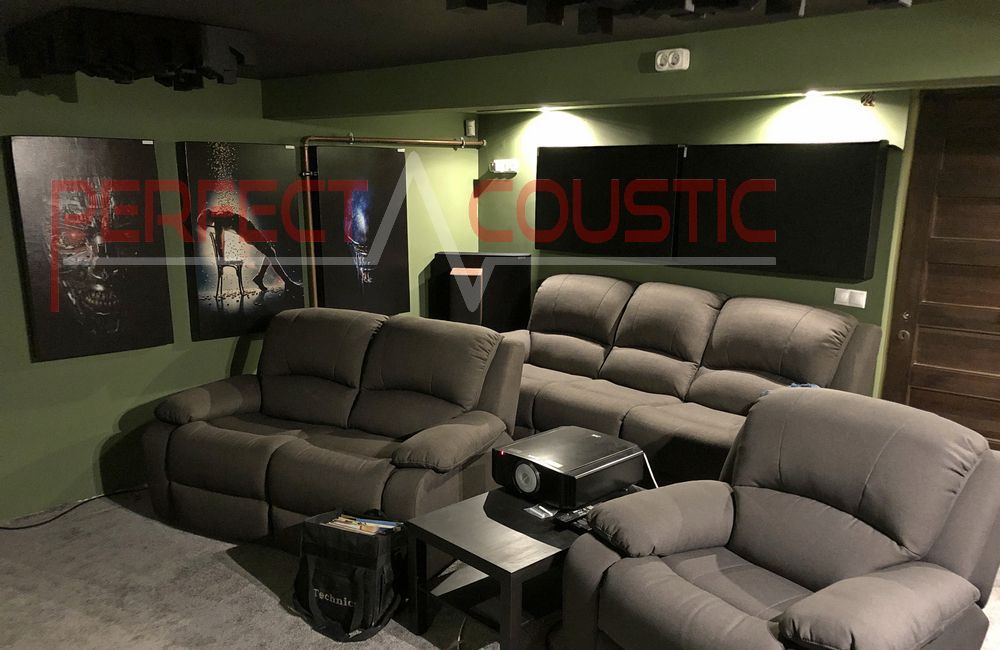
Thesewall panels have excellent soundproofing and noise insulation properties, making them excellent for acoustic treatment of your office or home. Ideal acoustics can be achieved by using these panels. Standard building materials used in the construction of a building are unfavourable to acoustics. The most striking sign of poor acoustics is the presence of echoes. The acoustics of an office or a recording studio can only be treated by using sound-absorbing and noise insulation wall panels with acoustic cotton content made of high-quality materials and fabric. Avoid items made of low quality materials and using DIY methods.
Additional information
| Weight | 25 kg |
|---|---|
| Color | 1 white colour more expensive, 2 white colour more expensive, with patterned fabric, beige 5, black 36, blue 30, camel 62, claret 46, dark brown 8, dark gray 53, green 69, king blue 31, light brown 52, light gray 33, middle gray 34, oil color 55, red 25 |
| Size | 2 pieces of 130x64x11cm, 104x30x6cm, 104x64x11cm, 104x64x6cm, 130x64x11cm, 64x54x6cm |
7 reviews for Broadband sound panel-It can even be used as a ceiling element
Questions and answers of the customers
There are no questions yet. Be the first to ask a question about this product.
Related products
-


Bass acoustic wall panels with double leather membrane
83 € – 260 € +VatSize: 104x64x12cm 8kg, 130x64x11cm 12kg
Shop with Confidence: 14-Day Money-Back Guarantee!
In the case of a country outside the European Union, the buyer has to pay the customs charges on the parcels. The process and customs clearance is handled automatically by DHL Courier.
-
Parametric Wall Art Panel (Diffuser)
327 € – 426 € +VatIn the case of a country outside the European Union, the buyer has to pay the customs charges on the parcels. The process and customs clearance is handled automatically by DHL Courier.
Size: 120x60x13cm.
Size: 140x70x13cm.
Shop with Confidence: 14-Day Money-Back Guarantee!
-

Art Wood Diffusers-Available in several colour variations 60x60x7-13 cm
147 € +VatSize: 60x60x7-13 cm, Our customers with an EU corporate tax number can buy tax-free!
Shop with Confidence: 14-Day Money-Back Guarantee!
In the case of a country outside the European Union, the buyer has to pay the customs charges on the parcels. The process and customs clearance is handled automatically by DHL Courier.
-

Wall art panels
87 € – 183 € +VatSize:130x64x11cm 11kg, 104x64x11cm 9kg, 104x64x6cm 6kg
Shop with Confidence: 14-Day Money-Back Guarantee!
In the case of a country outside the European Union, the buyer has to pay the customs charges on the parcels. The process and customs clearance is handled automatically by DHL Courier.


Ingo W. –
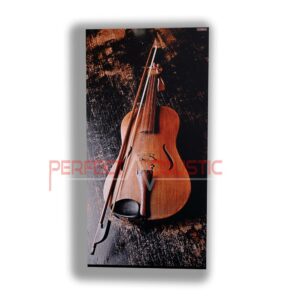
Very good acoustic absorption. Superb optics with patterned fabric and synthetic leather. A shame there are no more colors, especially patterned white and bright colors.
Kees de Vrieze –
I placed these bas membranes in front of my radiator with small magnets. They fulfill a good job in reducing the standing waves in my room.
Peter D. –
As a mastering engineer studio acoustics is really important , perfect-acoustic provide good quality product so my masters translate very well.
Mika Jokela –
Super!!
Ingo Woesner –
Top acoustic quality, top built quality, limited fabric colors and size/height restrictions though. Go for the patterned fabric which looks a lot more elegant than the simple fabric. However, I would always buy them again. Here you get 90kg/m3 mineral wool. With competitors you get (cheap) foam
Harry –
I wanted to improve the acoustics of my living room. Since I am a big soccer fan and always watch the matches in the living room, I was looking for a solution for this. I found this sound absorbing panel on the website. I ordered four of them and installed them, and the experience is almost like watching the game live. Thanks!!!!!!
Anonymous –
good looking and effective