Types of Soundproofing Materials: Understanding Sound Absorption and Insulation
While all materials absorb sound to some degree, soundproof materials and acoustic materials are specifically engineered for maximum sound absorption. These specialized materials effectively reduce reverberant sound, minimizing echoes and improving overall acoustics within a space.
Before exploring the various sound-absorbing materials, it’s important to distinguish between sound absorption and sound insulation:
Sound Absorption: Focuses on reducing echoes and reverberation within a room, improving sound clarity.
Sound Insulation: Aims to block sound transmission between spaces, minimizing noise disturbance.
Common Types of Sound Absorbing Materials
There are numerous sound-absorbing materials available, each with its unique properties. Here are some popular options:
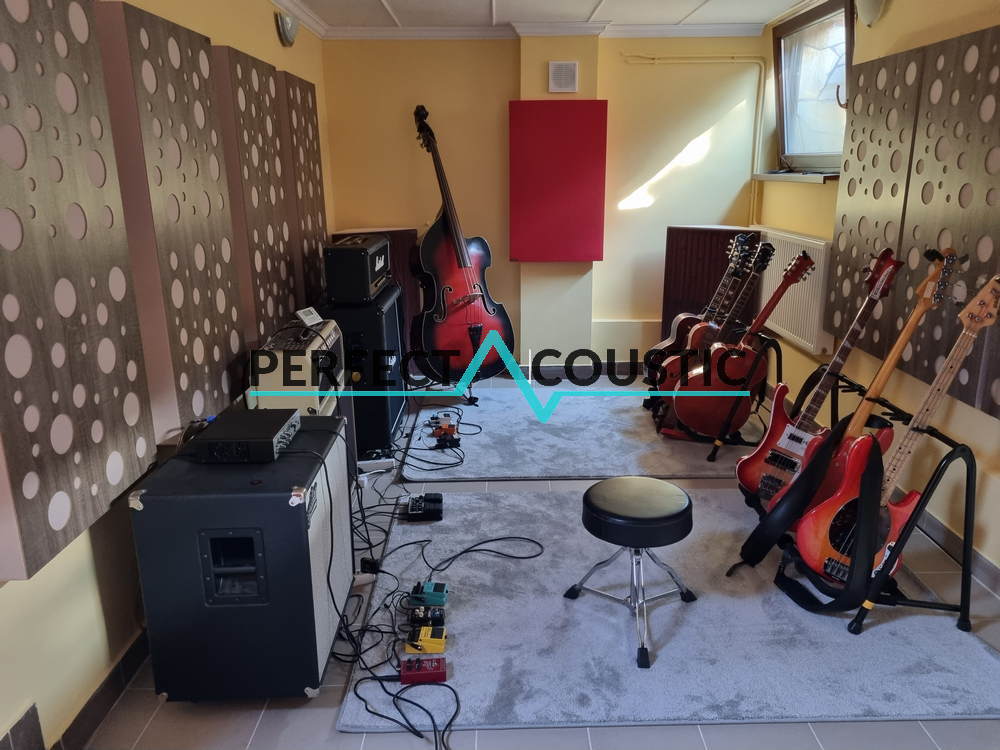
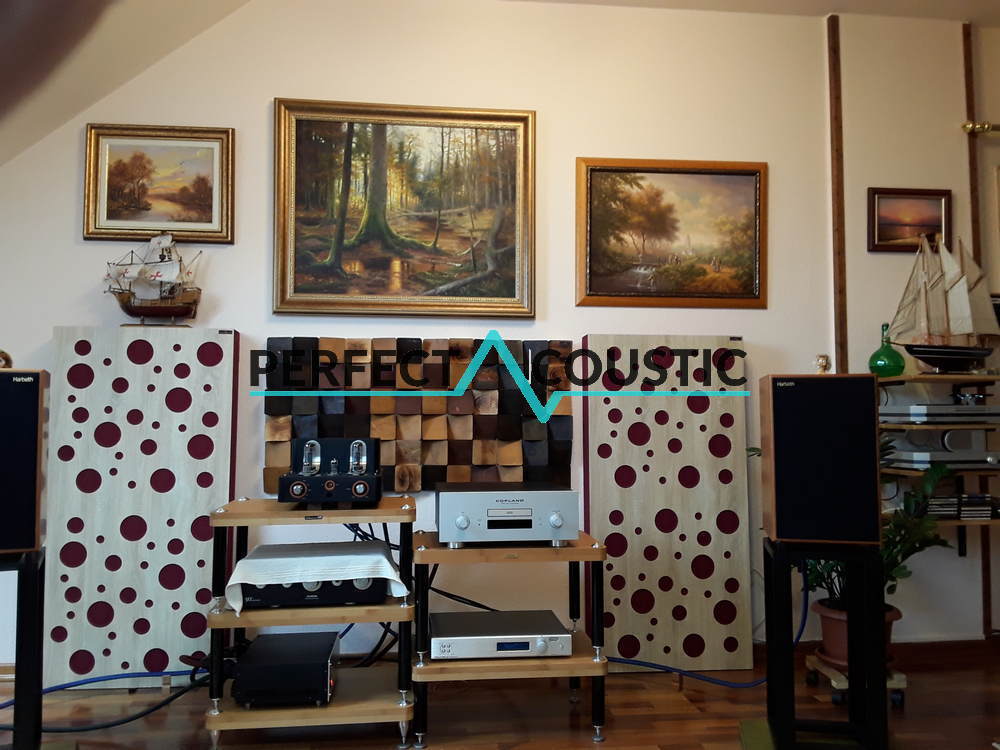
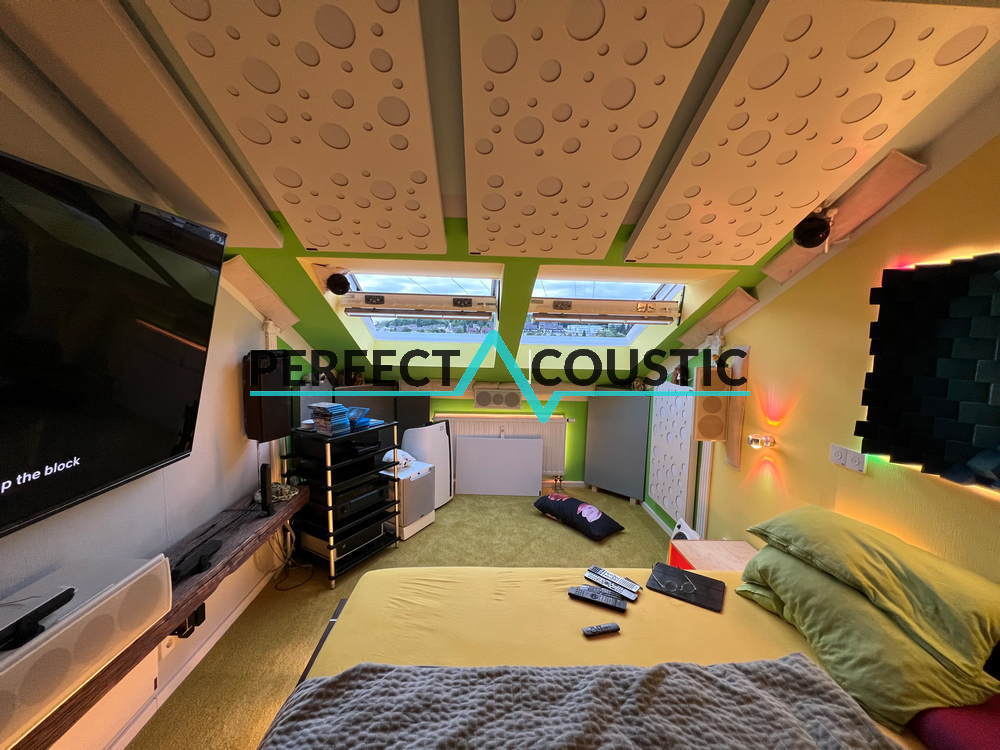
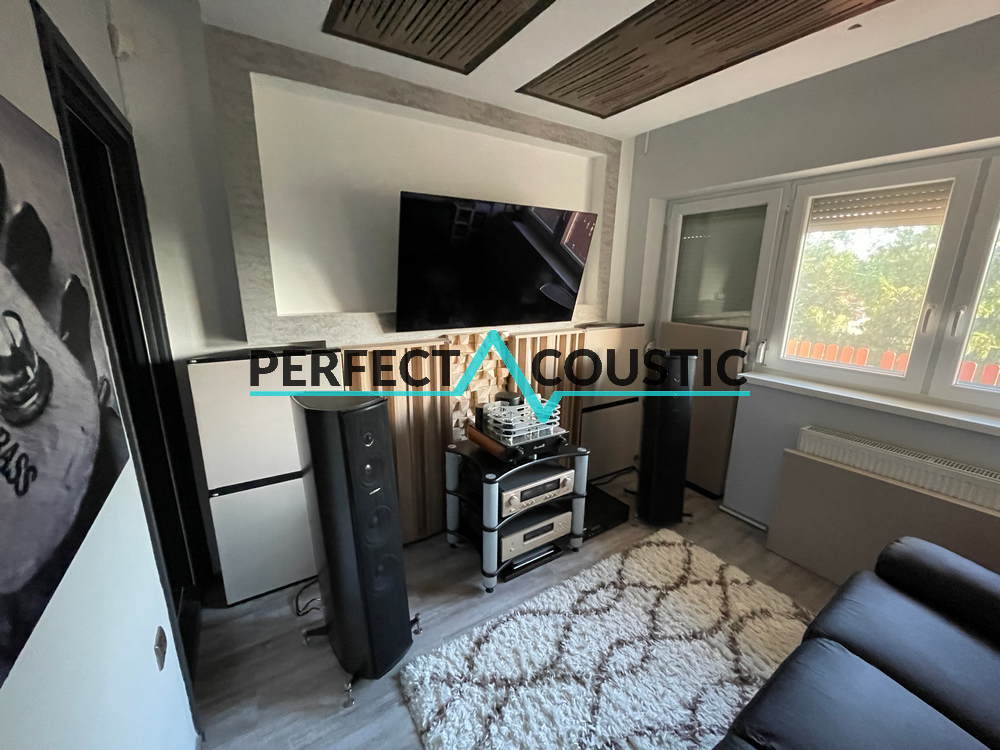
Acoustic Foam Panels: Versatile and effective, often used in recording studios and home theaters.
Mineral Wool Insulation: Excellent for both sound absorption and thermal insulation.
Mass Loaded Vinyl (MLV): A dense material ideal for blocking sound transmission when combined with sound-absorbing materials.
Sound insulation vs. sound absorption: what is the difference?
When it comes to acoustics, there are two different options:
The ability to absorb the reverberant energy that creates sound in a space.
It can prevent the transmission of sound energy. Both forms of sound manipulation use special materials and products to combat sound waves. Acoustic materials absorb most of the sound energy they receive and reflect very little. These properties make them useful in noise reduction within a space or enclosure. They are used in different places: near noise sources, along pathways or near receptors. Soundproofing a space involves four concepts: adding mass, attenuation, separation and absorption. In practice, acoustic absorption is a form of sound insulation. Materials used for soundproofing are often dense and heavy, allowing structures to be separated. Due to their density, sound waves that pass through the structure are reflected inside the panel.
Types of acoustic materials
Acoustic absorption is the process by which sound energy is dissipated and transformed into another form of energy: heat, mechanical or deformation. From a scientific point of view, there are three main types of sound absorbers: porous, membrane and resonance. There are many types of acoustic materials. Their ability to absorb sound waves depends largely on frequency, composition, thickness and mounting method.
Porous absorbers – which absorb more sound as the frequency increases. This means they absorb high frequencies (high pitched sounds) more effectively. The more porous the fabric, the greater the absorption. Two types of material are commonly used: spongy, such as polyurethane foam, and fibrous, such as glass wool. The denser the material, the greater the absorption, up to a certain limit of course, from which it would act as a reflector, the average density of these materials being around 80 kg/m³. Another factor to monitor is the thickness used. The thicker the material, the lower the frequency at which the absorption becomes effective (theoretically, a porous absorber becomes effective at the frequency at which 1/4 of its wavelength coincides with its thickness). Its positioning alone improves its absorption at lower frequencies by separating it from a rigid surface (wall).
Membrane/plate absorbers – which absorb low frequencies (bass) more effectively than high frequencies. The absorption mechanism of these materials is to convert sound energy into deformation energy.
Resonance absorbers – which have the maximum absorption at a given frequency: the natural frequency of the acoustic fabric. The absorption mechanism of these materials is to convert sound energy into mechanical energy. Perforated or grooved panels are used, which are mounted on walls.
In summary, acoustic insulating materials are generally poor absorbers, as they are designed to reflect the sound they are exposed to. Acoustic insulators are generally denser and stiffer (lead, concrete, steel, etc.), while acoustic absorbers are more porous, designed to absorb and retain sound waves (rock wool, glass wool, polyurethane, etc.).
Note that not all thermal insulation materials are good sound absorbers.
Closed cells (expanded polystyrene, polyurethane foam, polyisocyanurate) do not insulate and do not absorb acoustically, so they have no acoustic function. Thus, fibres (rock wool, glass fibre, synthetic fibres, natural fibres, open cell foam, etc.) do not insulate per se, but improve the sound insulation of a multi-layer panel (veneer, double wall, cladding, laminated plaster). As the material improves the vibration separation between heavy layers and damps (absorbs) the resulting standing acoustic waves, it greatly improves the overall insulation. In addition, if one layer of a multi-layer panel is perforated, it helps to improve the sound absorption of the room towards which this perforated surface faces and greatly improves the internal acoustic environment, i.e. the “acoustic conditioning”. If you want to reduce the noise in an industrial warehouse, room or home, you need to combine sound absorbing materials and soundproofing. Acoustic fabric placed in the enclosed space between two parallel partitions improve the insulation that these partitions alone would provide.
Showing all 16 results
Soundproof Your World with Acoustic Materials
In today’s bustling world, unwanted noise can disrupt our peace and well-being. Soundproofing materials and acoustic materials offer a powerful solution to combat noise pollution and create a serene environment. Our comprehensive range of soundproofing and acoustic solutions effectively absorbs and deflects sound waves, transforming noisy spaces into havens of tranquility. Whether you’re seeking tranquility in your home, office, or studio, our soundproofing and acoustic materials provide the perfect solution.
Experience the transformative power of silence with our soundproofing and acoustic materials.
In the case of a country outside the European Union, the buyer has to pay the customs charges on the parcels. The process and customs clearance is handled automatically by DHL Courier.
In the case of a country outside the European Union, the buyer has to pay the customs charges on the parcels. The process and customs clearance is handled automatically by DHL Courier.
In the case of a country outside the European Union, the buyer has to pay the customs charges on the parcels. The process and customs clearance is handled automatically by DHL Courier.
In the case of a country outside the European Union, the buyer has to pay the customs charges on the parcels. The process and customs clearance is handled automatically by DHL Courier.
In the case of a country outside the European Union, the buyer has to pay the customs charges on the parcels. The process and customs clearance is handled automatically by DHL Courier.
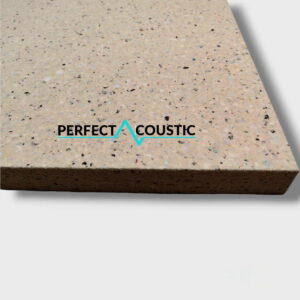
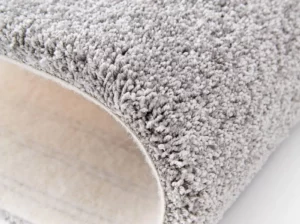
Material: Polyurethane Color: Pale Dimensions Available: 100x200x0,7cm 180kg/m3
Product in stock, ready for immediate delivery
13 € +Vat
In the case of a country outside the European Union, the buyer has to pay the customs charges on the parcels. The process and customs clearance is handled automatically by DHL Courier.
Material: Polyurethane Color: Pale Dimensions Available: 100x200x0,7cm 180kg/m3
In the case of a country outside the European Union, the buyer has to pay the customs charges on the parcels. The process and customs clearance is handled automatically by DHL Courier.
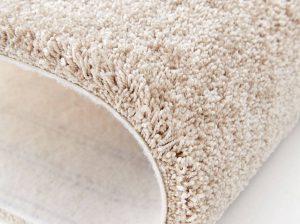
Material: Polyurethane Color: Pale Dimensions Available: 100x200x1cm 180kg/m3
Product in stock, ready for immediate delivery
17 € +Vat
In the case of a country outside the European Union, the buyer has to pay the customs charges on the parcels. The process and customs clearance is handled automatically by DHL Courier.
Material: Polyurethane Color: Pale Dimensions Available: 100x200x1cm 180kg/m3
Our customers with an EU corporate tax number can buy tax-free!
In the case of a country outside the European Union, the buyer has to pay the customs charges on the parcels. The process and customs clearance is handled automatically by DHL Courier.
Total weight: 2050gr/m2, Total height: 17mm, Sound absorption: 39 dB
Shop with Confidence: 14-Day Money-Back Guarantee!
Our customers with an EU corporate tax number can buy tax-free!
In the case of a country outside the European Union, the buyer has to pay the customs charges on the parcels. The process and customs clearance is handled automatically by DHL Courier.
Total weight: 2050gr/m2, Total height: 17mm, Sound absorption: 39 dB
Shop with Confidence: 14-Day Money-Back Guarantee!
Product manufacturing time is 3 weeks for this model!
In the case of a country outside the European Union, the buyer has to pay the customs charges on the parcels. The process and customs clearance is handled automatically by DHL Courier.
Product manufacturing time is 3 weeks for this model!
In the case of a country outside the European Union, the buyer has to pay the customs charges on the parcels. The process and customs clearance is handled automatically by DHL Courier.
Density 710g / m Double stitched: 1420g/m, Thickness 2.5mm. Dual layer: 5mm, 15-25dB sound attenuation. 40% thermal insulation
In the case of a country outside the European Union, the buyer has to pay the customs charges on the parcels. The process and customs clearance is handled automatically by DHL Courier.
Density 710g / m Double stitched: 1420g/m, Thickness 2.5mm. Dual layer: 5mm, 15-25dB sound attenuation. 40% thermal insulation
In the case of a country outside the European Union, the buyer has to pay the customs charges on the parcels. The process and customs clearance is handled automatically by DHL Courier.
Density 720g / m Double stitched: 1440g/m, Thickness 2.5mm. Dual layer: 5mm, 15-25dB sound attenuation. 40% thermal insulation
In the case of a country outside the European Union, the buyer has to pay the customs charges on the parcels. The process and customs clearance is handled automatically by DHL Courier.
Density 720g / m Double stitched: 1440g/m, Thickness 2.5mm. Dual layer: 5mm, 15-25dB sound attenuation. 40% thermal insulation
In the case of a country outside the European Union, the buyer has to pay the customs charges on the parcels. The process and customs clearance is handled automatically by DHL Courier.
In the case of a country outside the European Union, the buyer has to pay the customs charges on the parcels. The process and customs clearance is handled automatically by DHL Courier.
In the case of a country outside the European Union, the buyer has to pay the customs charges on the parcels. The process and customs clearance is handled automatically by DHL Courier.
In the case of a country outside the European Union, the buyer has to pay the customs charges on the parcels. The process and customs clearance is handled automatically by DHL Courier.
In the case of a country outside the European Union, the buyer has to pay the customs charges on the parcels. The process and customs clearance is handled automatically by DHL Courier.
Density 720g/ m Double layer: 1440g/m, Thickness 2.5mm. Duplicate layer: 5mm, 15-25dB sound absorption. 40% thermal insulation
In the case of a country outside the European Union, the buyer has to pay the customs charges on the parcels. The process and customs clearance is handled automatically by DHL Courier.
Density 720g/ m Double layer: 1440g/m, Thickness 2.5mm. Duplicate layer: 5mm, 15-25dB sound absorption. 40% thermal insulation
In the case of a country outside the European Union, the buyer has to pay the customs charges on the parcels. The process and customs clearance is handled automatically by DHL Courier.
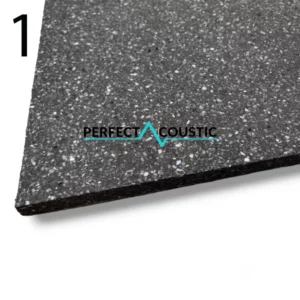
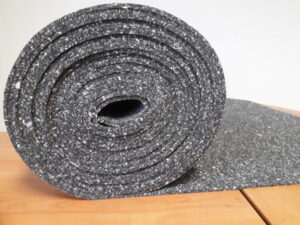
Density 900g / m, Thickness 1.5mm, 10-15dB sound absorption
Our customers with an EU corporate tax number can buy tax-free!
In the case of a country outside the European Union, the buyer has to pay the customs charges on the parcels. The process and customs clearance is handled automatically by DHL Courier.
Density 900g / m, Thickness 1.5mm, 10-15dB sound absorption
Our customers with an EU corporate tax number can buy tax-free!
In the case of a country outside the European Union, the buyer has to pay the customs charges on the parcels. The process and customs clearance is handled automatically by DHL Courier.
Our customers with an EU corporate tax number can buy tax-free!
Size: 140cm wide
In the case of a country outside the European Union, the buyer has to pay the customs charges on the parcels. The process and customs clearance is handled automatically by DHL Courier.
35 € – 169 € +Vat
Our customers with an EU corporate tax number can buy tax-free!
Size: 140cm wide
In the case of a country outside the European Union, the buyer has to pay the customs charges on the parcels. The process and customs clearance is handled automatically by DHL Courier.
Our customers with an EU corporate tax number can buy tax-free!
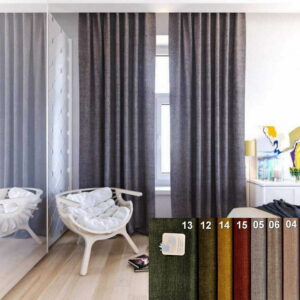
Total weight: 3200gr/m2, Total height: 2,5 cm, Sound absorption: 32 dB
Shop with Confidence: 14-Day Money-Back Guarantee!
In the case of a country outside the European Union, the buyer has to pay the customs charges on the parcels. The process and customs clearance is handled automatically by DHL Courier.
71 € – 418 € +Vat
Our customers with an EU corporate tax number can buy tax-free!
Total weight: 3200gr/m2, Total height: 2,5 cm, Sound absorption: 32 dB
Shop with Confidence: 14-Day Money-Back Guarantee!
In the case of a country outside the European Union, the buyer has to pay the customs charges on the parcels. The process and customs clearance is handled automatically by DHL Courier.
Types of Soundproofing Materials: Understanding Sound Absorption and Insulation
While all materials absorb sound to some degree, soundproof materials and acoustic materials are specifically engineered for maximum sound absorption. These specialized materials effectively reduce reverberant sound, minimizing echoes and improving overall acoustics within a space.
Before exploring the various sound-absorbing materials, it’s important to distinguish between sound absorption and sound insulation:
Sound Absorption: Focuses on reducing echoes and reverberation within a room, improving sound clarity.
Sound Insulation: Aims to block sound transmission between spaces, minimizing noise disturbance.
Common Types of Sound Absorbing Materials
There are numerous sound-absorbing materials available, each with its unique properties. Here are some popular options:
Acoustic Foam Panels: Versatile and effective, often used in recording studios and home theaters.
Mineral Wool Insulation: Excellent for both sound absorption and thermal insulation.
Mass Loaded Vinyl (MLV): A dense material ideal for blocking sound transmission when combined with sound-absorbing materials.
Sound insulation vs. sound absorption: what is the difference?
When it comes to acoustics, there are two different options:
The ability to absorb the reverberant energy that creates sound in a space.
It can prevent the transmission of sound energy. Both forms of sound manipulation use special materials and products to combat sound waves. Acoustic materials absorb most of the sound energy they receive and reflect very little. These properties make them useful in noise reduction within a space or enclosure. They are used in different places: near noise sources, along pathways or near receptors. Soundproofing a space involves four concepts: adding mass, attenuation, separation and absorption. In practice, acoustic absorption is a form of sound insulation. Materials used for soundproofing are often dense and heavy, allowing structures to be separated. Due to their density, sound waves that pass through the structure are reflected inside the panel.
Types of acoustic materials
Acoustic absorption is the process by which sound energy is dissipated and transformed into another form of energy: heat, mechanical or deformation. From a scientific point of view, there are three main types of sound absorbers: porous, membrane and resonance. There are many types of acoustic materials. Their ability to absorb sound waves depends largely on frequency, composition, thickness and mounting method.
Porous absorbers – which absorb more sound as the frequency increases. This means they absorb high frequencies (high pitched sounds) more effectively. The more porous the fabric, the greater the absorption. Two types of material are commonly used: spongy, such as polyurethane foam, and fibrous, such as glass wool. The denser the material, the greater the absorption, up to a certain limit of course, from which it would act as a reflector, the average density of these materials being around 80 kg/m³. Another factor to monitor is the thickness used. The thicker the material, the lower the frequency at which the absorption becomes effective (theoretically, a porous absorber becomes effective at the frequency at which 1/4 of its wavelength coincides with its thickness). Its positioning alone improves its absorption at lower frequencies by separating it from a rigid surface (wall).
Membrane/plate absorbers – which absorb low frequencies (bass) more effectively than high frequencies. The absorption mechanism of these materials is to convert sound energy into deformation energy.
Resonance absorbers – which have the maximum absorption at a given frequency: the natural frequency of the acoustic fabric. The absorption mechanism of these materials is to convert sound energy into mechanical energy. Perforated or grooved panels are used, which are mounted on walls.
In summary, acoustic insulating materials are generally poor absorbers, as they are designed to reflect the sound they are exposed to. Acoustic insulators are generally denser and stiffer (lead, concrete, steel, etc.), while acoustic absorbers are more porous, designed to absorb and retain sound waves (rock wool, glass wool, polyurethane, etc.).
Note that not all thermal insulation materials are good sound absorbers.
Closed cells (expanded polystyrene, polyurethane foam, polyisocyanurate) do not insulate and do not absorb acoustically, so they have no acoustic function. Thus, fibres (rock wool, glass fibre, synthetic fibres, natural fibres, open cell foam, etc.) do not insulate per se, but improve the sound insulation of a multi-layer panel (veneer, double wall, cladding, laminated plaster). As the material improves the vibration separation between heavy layers and damps (absorbs) the resulting standing acoustic waves, it greatly improves the overall insulation. In addition, if one layer of a multi-layer panel is perforated, it helps to improve the sound absorption of the room towards which this perforated surface faces and greatly improves the internal acoustic environment, i.e. the “acoustic conditioning”. If you want to reduce the noise in an industrial warehouse, room or home, you need to combine sound absorbing materials and soundproofing. Acoustic fabric placed in the enclosed space between two parallel partitions improve the insulation that these partitions alone would provide.
This website uses cookies to provide you with the best possible user experience. Cookies store information in your browser and perform functions such as recognising when you return to our website and helping our team understand which parts of the website are interesting and useful.
Essential cookies
Cookies that are strictly necessary must always be enabled so that we can save the settings for further cookie management.
If this cookie is not enabled, we will not be able to save the selected settings, which will result in having to re-enable cookies on each visit.