Surely everyone has already experienced that if you entered an empty or poorly furnished room, it echoed. This is also a problem for many people when moving into a new apartment, especially if the house is being arranged in the process, they are not bringing a complete piece of equipment with their home textiles and furniture. This problem is caused by sound reflection, which, however, can be eliminated by appropriate methods.
-


-

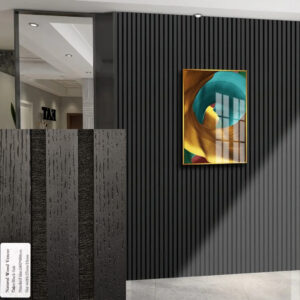
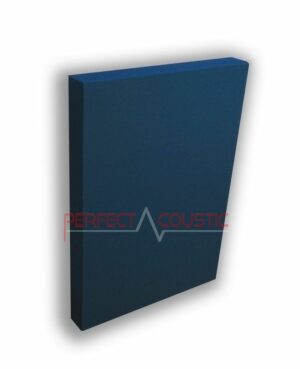
 Bass acoustic wall panels with double leather membrane83 € – 260 € +Vat
 -
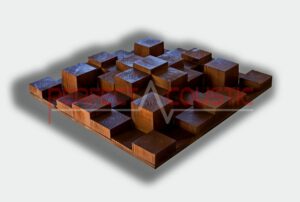
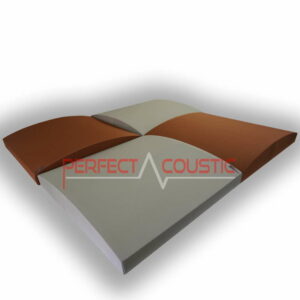
 3D acoustic diffuser 70x70x10cm122 € – 139 € +Vat

What does sound reflection mean?
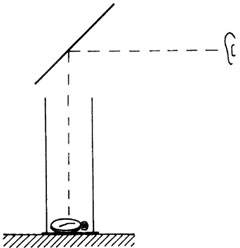
Sound waves are reflected from the walls, so sound waves of different directions and intensities are generated in a given room. The reflected sound field generally helps us to perceive distance and direction, but it can be extremely confusing if the sound has a long reverberation time: it interferes with the original sound, which drastically impairs intelligibility and quality, whether it’s music or speech.
When we talk about the acoustics of a room, it’s actually about how the sounds bounce back. The worst performers are the classic, square rooms, while the acoustics are significantly better for the vaulted, round rooms. In a room with good acoustics, the sounds you want to hear are emphasized, while unwanted sounds are absorbed. Acoustics are not the best in most of the rooms in use today, so we need a variety of tools to improve it.
You can swallow unwanted sounds
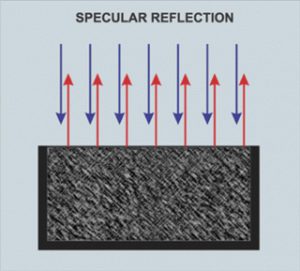
Sound absorption helps improve acoustics. In practice, this means that we try to prevent the reflection of the sound by various means, thus reducing the possibility of the echo developing. To achieve this, we need to use devices that, due to their properties, are capable of absorbing sound waves.
When entering a theater or cinema, everyone must have experienced that they suddenly hear sounds completely different: everything is significantly quieter, more restrained, duller. This is not a coincidence, as these are the places where the sound is absorbed so that the sounds of the performance and the film are sufficiently sharp and understandable.
How to avoid sound reflection?
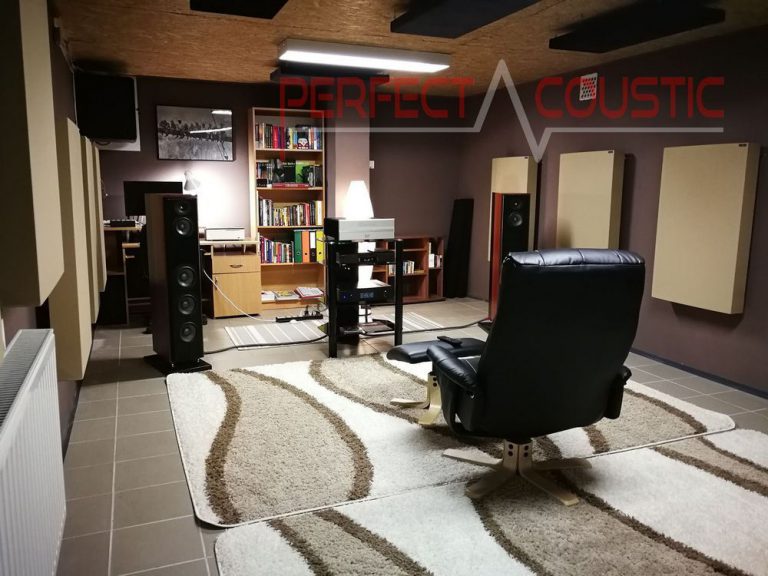
There are several tools available to prevent sound reflections. Of these, textiles are widely used: acoustic carpets, acoustic curtains, and panels help to ensure that sound reflection is not a problem.
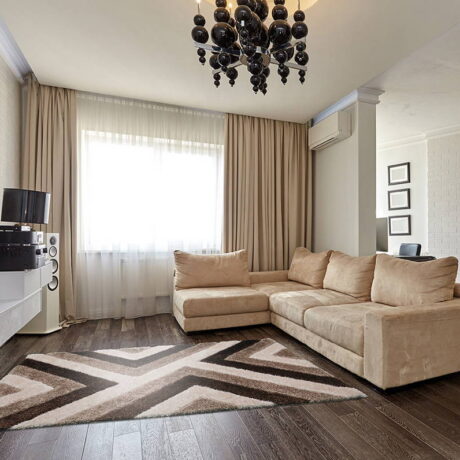
Turning back to the introduction, the echoes of the flats also develop because of the large, empty surfaces available where the sounds can bounce back. Empty wall surfaces and empty floors all provide an excellent opportunity for this. If tall furniture is placed, curtains are placed on the windows, carpets on the floor, and pictures, shelves on the wall, the reflection will be greatly reduced because the surface area suitable for this will be smaller.
Acoustic textiles represent a higher level than this, but the point is the same: they must cover the surfaces from which the reflection can occur.
Where should the acoustic devices be placed?
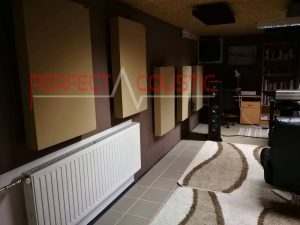
Founded on the above, it makes sense to target large, empty surfaces from which sounds can bounce back. In cinemas, you could see an example of each wall being covered with curtains – well, these are not simple curtains, but acoustic curtains that can absorb noise. The floor is also covered with acoustic carpets for the same purpose, but panels are also available to help eliminate echoes.
Acoustic textiles are special woven, thick materials that are also effective in absorbing deeper sounds. Of course, these textiles can have different properties, which are best determined by weaving: before you choose, it’s worth checking carefully to see if they fit your goals!
-
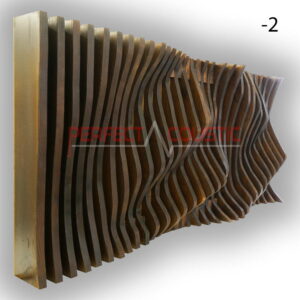
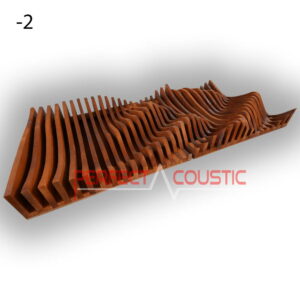
Parametric Wall Art Panel (Diffuser)327 € – 426 € +Vat
-
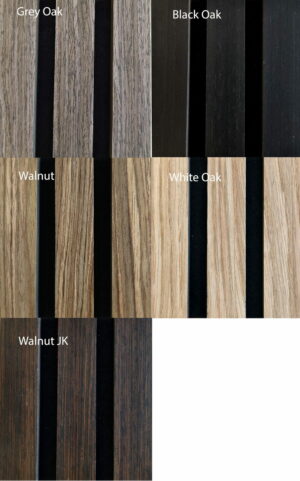
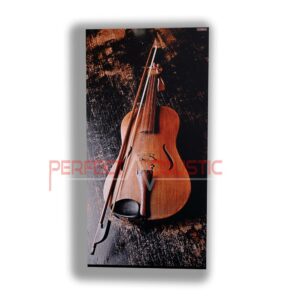
 Wall art panels87 € – 183 € +Vat
 -
3D Sound absorbing panels – Size: 60x60x10cm 3kg49 € – 59 € +Vat

Quiet room even at home
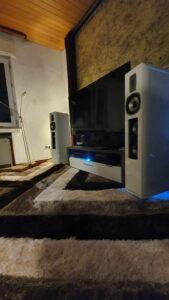
With the help of acoustic textiles, you can even create a room at home that is free of echoes. This can be important if you need the perfect sound because of your work, but it can also come in handy if you play an instrument and practice a lot in your apartment, or if you simply want to watch a movie with sound quality. Acoustic curtains and rugs are also extremely decorative, available in many variations, so you’re sure to find one that fits in your home.
From now on, the focus is on use: remember that large, empty surfaces are needed first and foremost! A pleasant “side effect” is that they effectively filter out the noise coming from outside and do not allow the sound to spread from room to room. This can be important in order not to be disturbed by people living in a household: whoever wants to request to do so in a quiet bedroom, who can practice on his instrument, can do so without being disturbed by the sounds coming in from the next room. With acoustic textiles and other tools, you can create a truly quiet, peaceful environment at home, whether for relaxing, working, or cultivating your hobby. SzG