Audio Technica AT5040 and Slate Digital VMS ML-1 Microphone Review
Audio Technica AT5040
Audio-Technica is a Japanese company that has been manufacturing headphones and other audio devices since 1962. In 2005, it developed the “Uniguard” technology, which makes microphones resistant to electrical interferences.
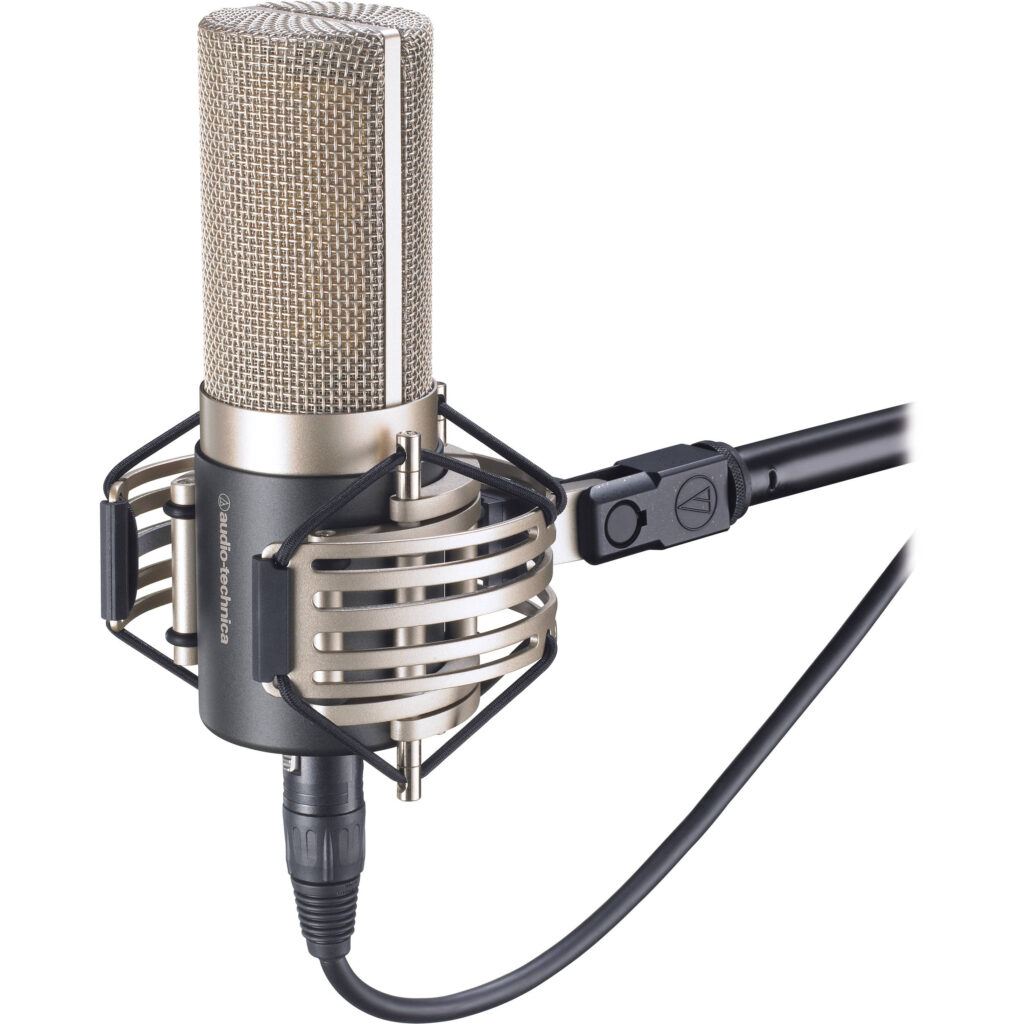
The AT5040 is a large diaphragm condenser microphone. For membrane condenser microphones, the focus is usually on the overall frequency response and sound quality. Audio Technica’s new AT5040 is a typical high-end condenser microphone with high-quality components, low noise, and adequate vibration damping.
This is a studio microphone that is mainly recommended for recording vocals and acoustic instruments, with a frequency range of 20Hz to 20kHz.
-

 Giga bass panel with membrane94 € – 129 € +Vat
 -


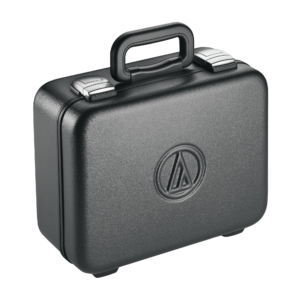
It is characterised as a cardioid, i.e. unidirectional microphone, exhibiting full sensitivity on-axis, having 50 Ohm impedance. Noise level is at 89dB / 1kHz / 1Pa, and extremely low self-noise (only 5dB). It comes with classic XLR connector, AT8480 accessory carrying case. Maximum sound pressure SPL 142dB, weights 580g.
It is capable of extreme musical performance recording vocals or instruments with stunning realism, depth and clarity of sound. Made by hand, the sleek and rugged aluminium and copper housing is really very sophisticated.
Technology and design
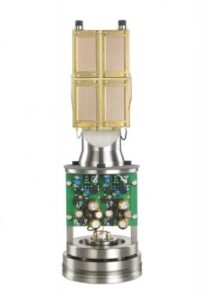
For the AT5040, the idea was to take advantage of a larger membrane (higher sensitivity and lower noise level), but without the handicaps of large membranes (such as a limited high-frequency response). That’s why Audio opted for four interlocking rectangular elements when designing the microphone. The C-shaped design is visually similar to some Brauner products, and thanks to the magnetic clips and interlocks, it is fast and reliable. As far as isolation is concerned, it has been shown to be effective in the tests, but some subsonic frequency (about 20Hz) was noticeable at a certain location of the microphone.
The AT5040 optimally smoothes out sound at high frequencies (5 kHz to 20 kHz). Nevertheless, the cardioid polar pattern is too tight for this frequency range because when we moved in the horizontal direction, we noticed that it had lost its high-frequency content.
Sound
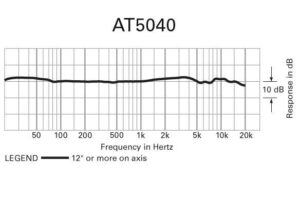
The sound of the Audio Technica AT5040 microphone is quite neutral characterised by a wonderful openness. It recorded very fine vocals and also acoustic guitars, percussion and drums. Overall, it is a premium quality, well-made microphone, even if you need to sign a hefty check to get it. You must be very careful how you place it for optimal sound, and of course the acoustics of the studio must also be optimised, otherwise the sound recording will not be adequate.
Classic, large capsule condenser microphones are without a doubt one of the most sought after and expensive products on anyone’s wish list.
Slate Digital VMS ML-1
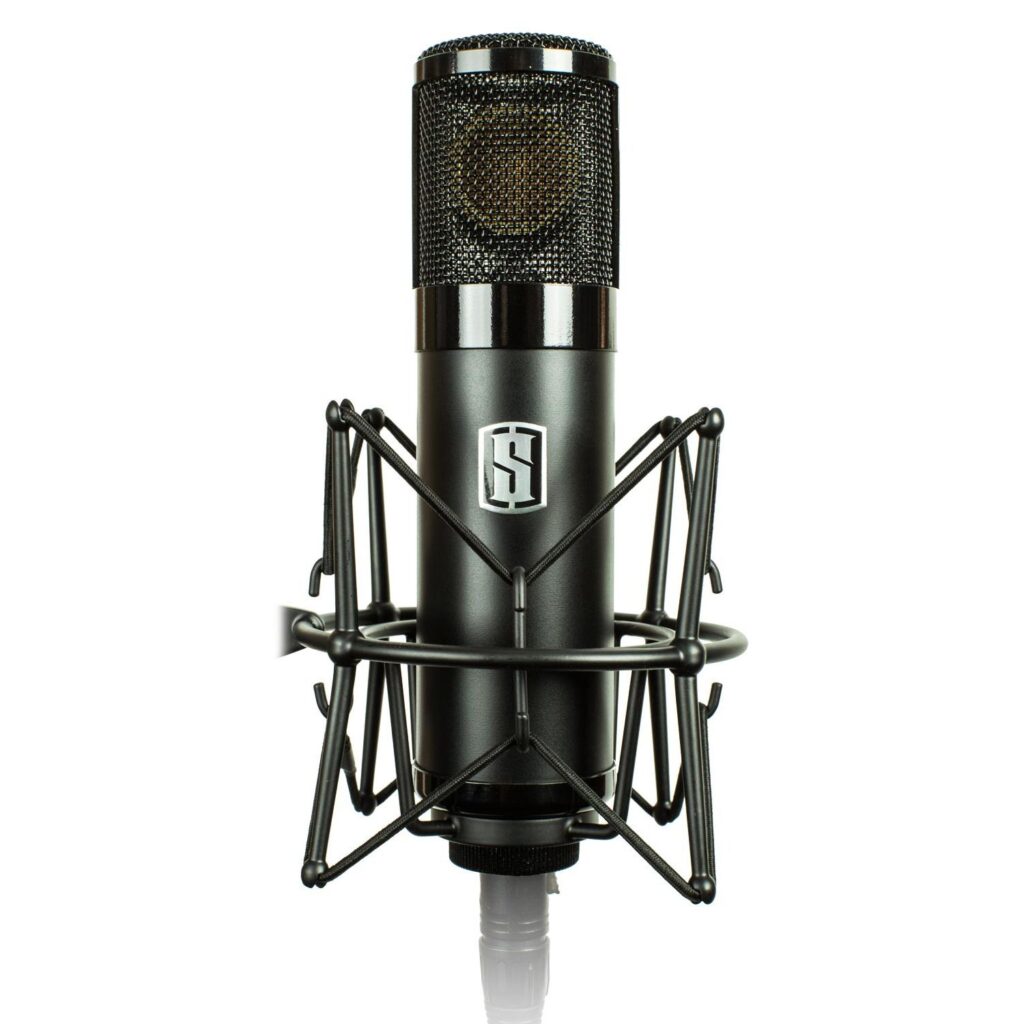
Slate Digital was founded by Steven Slate and Fabrice Gabriel in 2008 with the mission to create the best digital audio devices for professional manufacturers, mixers and engineers.
The virtual microphone system
“VMS” is a hybrid system that uses a condenser microphone, a neutral preamplifier and a state-of-the-art digital processing package that restores the ambiance and performance of classic microphones and preamps. The virtual microphone system breaks down the wall between sound engineers and expensive world-class audio devices, giving you the virtual microphone of their dreams at an affordable price.
-
Sound absorber leather membrane49 € – 253 € +Vat
-

 Column Diffusers179 € – 288 € +Vat
Slate Digital has created a virtual system that comes with a high-quality, large capsule condenser microphone, a dedicated “ultra-linear” microphone prep and a plug-in that is also excellent as a modelling microphone. The only difficulty is that you have to use your own A / D converter.
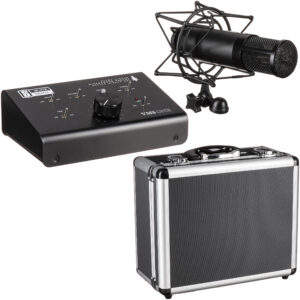
The microphone is black and is somewhere between an AKG C12 and a Brauner VM1. It is equipped with a very well made suspension bracket, but the transmission noise was still higher than we would have expected. The microphone connects to the preamplifier via a standard 3-pin XLR cable.
It is of a very high standard in terms of production quality, the metalwork and design are excellent, and – unlike some expensive modern microphones – the suspension holder is smoothly adjustable and firmly held. The software is part of the Slate Virtual Mix Rack and is very easy to use. Our only problem was that the Slate Digital VMS ML-1 microphone was not equipped with a high-pass filter.
We also tried it on vocals, guitar, and percussion. The microphone is quiet and super clean. It is a high-quality microphone, and while it sounds a little too sterile without some intervention, bear in mind that it’s not really a downside to studio shots.
Audio Technica At5040 or Slate Digital VMS ML-1?
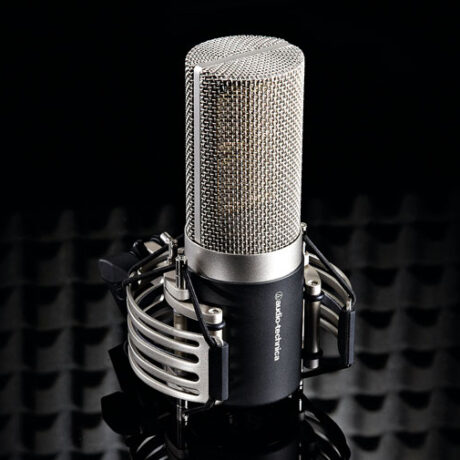
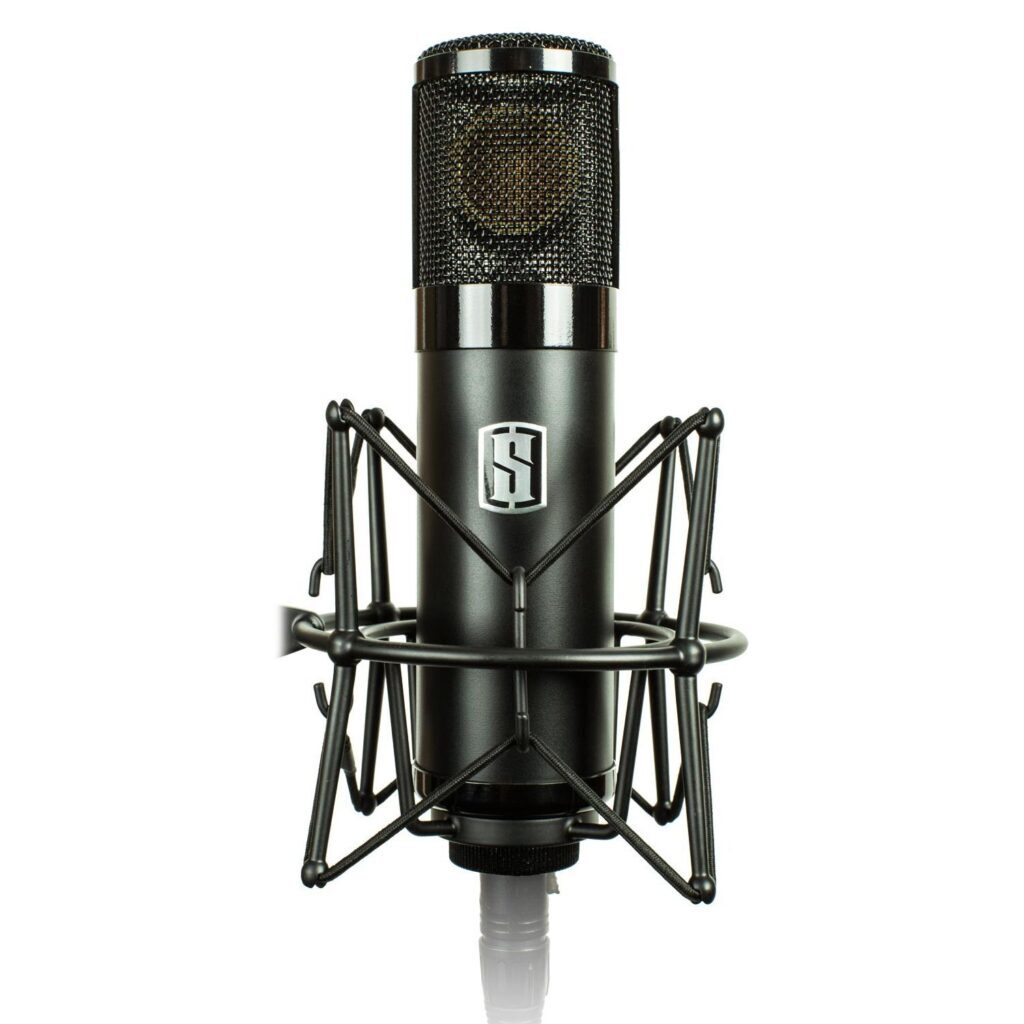
Both studio microphones recorded stunning sound with very low noise levels of their own and super clarity. The quality design, manual production and technology developed by Audio Technica were convincing. However, the price is also high to put it mildly, so think twice if you should not rather choose one of the brand’s previous also excellent but cheaper microphones, because we didn’t see such a huge difference in sound compared to previous models.
-
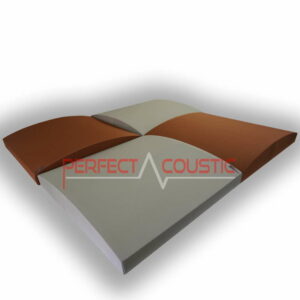
3D Sound absorbing panels – Size: 60x60x10cm 3kg49 € – 59 € +Vat
-
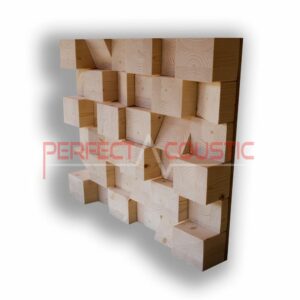
Cubic Sound Diffuser 60x60x10108 € +Vat
The main advantages of the Slate Digital microphone are its practical design and the adjustment options offered by the VMS digital system, in addition, we can get it at a very fair price. As a microphone for modelling studio the VMS ML-1 is an absolute ideal choice for sound engineers.
Remember that in the case of studios, proper acoustics are essential, as the sound of a recording or mix performed in a noisy environment with poor acoustics will fall short of expectations. The walls and ceiling shall be treated with acoustic wall panels and diffusers. And to palliate acoustic flows created by the glass surfaces in your studio, you may also want to use acoustic curtains.
G.H.
Written by Róbert Polgár