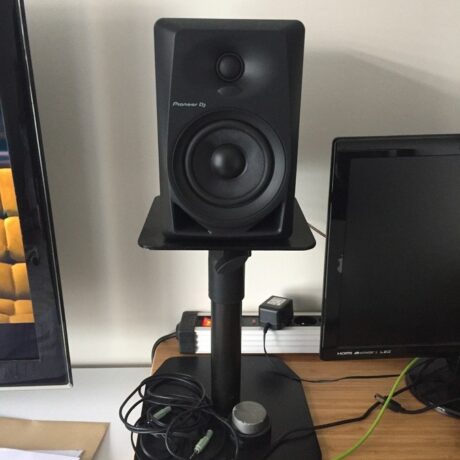
Testing The KEF Q350 Speakers
The KEF Q350 speakers offer impressive sound and stylish looks at a competitive price. The company was founded in 1961 in the UK. Thanks to patents and continuous development, the sound and performance of KEF speakers are absolutely convincing.
-
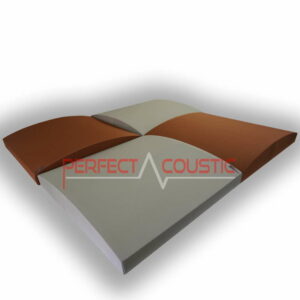
 3D Sound absorbing panels – Size: 60x60x10cm 3kg49 € – 59 € +Vat
 -
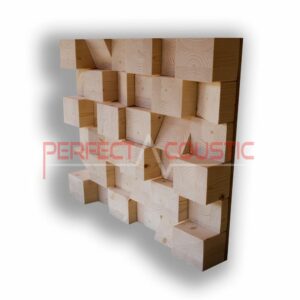
Cubic Sound Diffuser 60x60x10108 € +Vat
Key features of the KEF Q350
Recommended amplifier power is 15 – 120 Watts, frequency response 63 – 28 000 Hz, sensitivity 87 dB, impedance 8 Ohms, woofer diameter 25 mm, bass/midrange diameter 165 mm, crossover frequency 2500 Hz.
Design
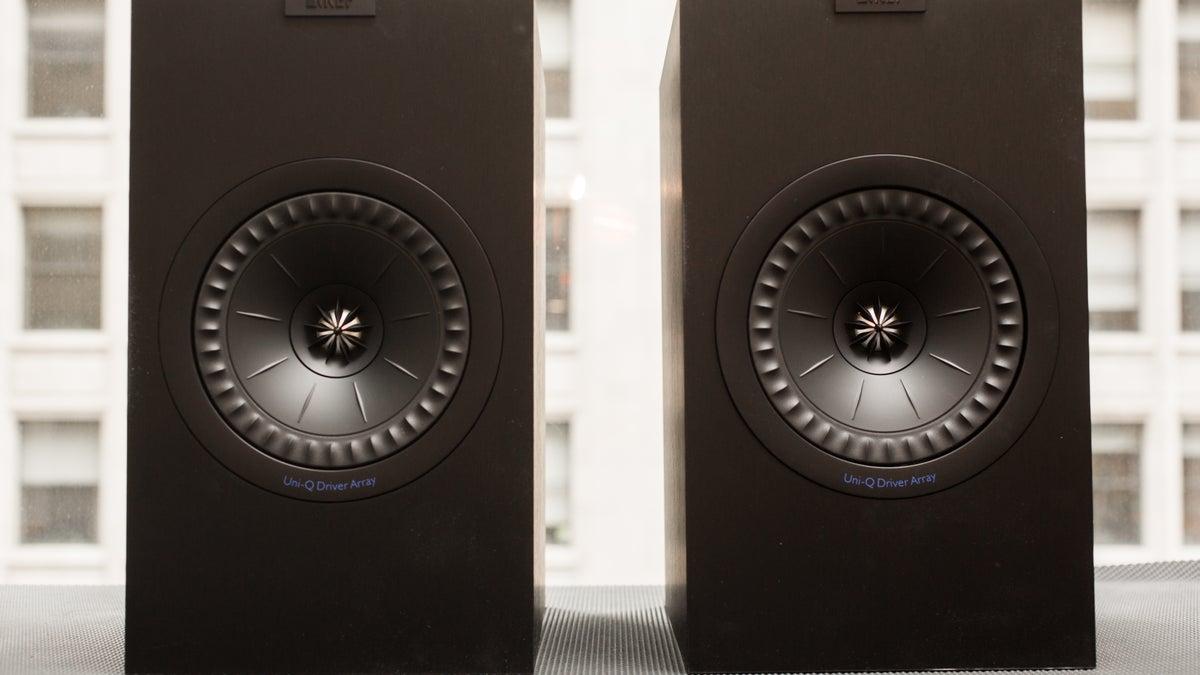
The KEF Q350 is made of MDF panels with vinyl coating. It is a 2-way, rear bass-reflex speaker with gold-plated/nickel-plated connectors. Dimensions: 210 x 358 x 306 mm, weight: 7.6 kg
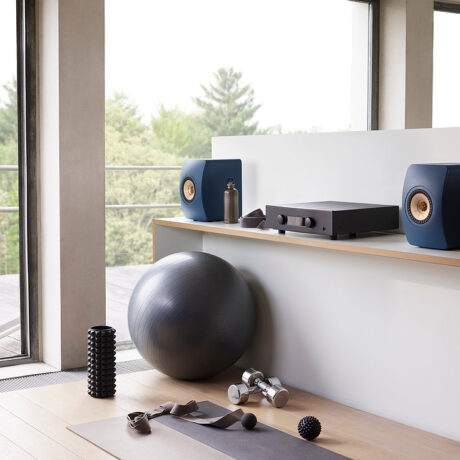
At first glance, you can see how clean and modern the design is compared to previous Q300 models. The chrome strip has been removed from the front baffle plate and the holes for fixing the grilles have been replaced by magnetic fixings. Available in two colours: black or white, black or silver with Uni-Q drivers. A speaker grille can be purchased separately.
The KEF Q350 speakers have an elegant and minimalist look. There is no unnecessary decoration on the enclosure, only the brand logo on the top of the speaker. Unfortunately, the polished cabinet is easily damaged and care should be taken when moving and cleaning it.
The driver-like 25 mm vented aluminium dome tweeter is mounted on a 16.5 cm aluminium mid/bass driver. The characteristic waveguide of the tweeter helps to distribute the sound evenly.
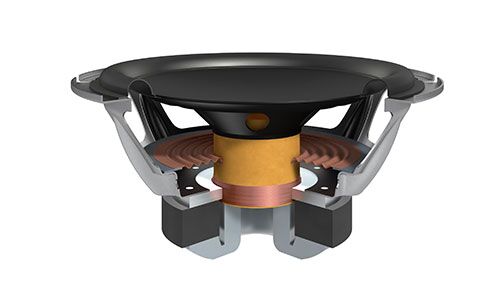
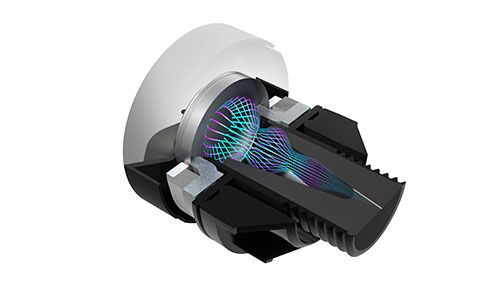
The Uni-Q drive is the latest development from the company, which comes from KEF’s high-end Reference range. This driver features a tube that has been designed to reduce resonances and deliver more accurate, clearer sounds. The driver is located on the front of the speaker, which the manufacturer claims reduces standing waves, while the reflex port is located on the back of the speaker. This placement is also designed to eliminate distortion in order to produce deeper, cleaner basses.
It is designed to improve the quality of high frequencies. Further changes have also been made to the shape of the mid/bass cone to reduce distortion.
The previous model had dual cabling, this has also been changed and the Q350 speakers now have a single cable. The wall brackets used on the old Q300s have been removed for a nicer appearance.
testing the sound
The KEFs provided a balanced, clean sound with intense bass tones. The rehearsal took place in a music room in a newly built family house. The room was designed and built with acoustic considerations in mind, using the latest construction and insulation materials and finishes. Once the room was furnished, it was of course necessary to use special acoustic products to achieve the perfect result. Sound absorbing panels and diffusers were installed on the walls, and thick, densely woven acoustic carpets were laid on the floor.
If the room is used primarily for stereo music listening – as in this case – the acoustic treatment must be careful not to over-damp the room! To avoid this, let an acoustic professional manage the room.
When we tested the speakers, we were quite surprised at the intense bass notes the KEF Q350 could deliver. We experienced rich, detailed, characterful soundings with a wide stage image, basically in all musical styles. The sound from the speakers filled the room with an airy, open sound. The highs were also flawless, beautiful and distinct. Even with harder styles of music, the highs remained even.
For some tracks, we felt that the KEF could have been more dynamic and energetic, as the speaker’s performance sometimes seemed overly refined. At higher volumes, the sound was not distorted and the detail was maintained. In fact, the refined sound of the speakers was less enjoyable at lower volumes.
Paired with a pair of Yamaha A-S301 stereo amplifiers, the speaker pair complemented the Q350’s sound nicely and added a little oomph to the sound. Also make sure that the speakers are positioned correctly. Because of the rear reflex port, it is generally not advisable to place the speakers directly next to the wall. With the KEF Q350, however, we found that it’s a good idea to place them close to the wall (but not directly next to the wall, of course!) for a slightly more solid sound. The basses were more powerful. (But the sense of spaciousness was slightly reduced with this setting.)
-
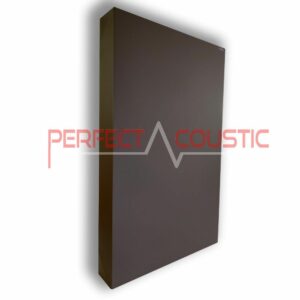
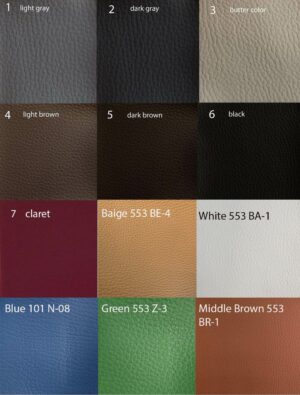
 Sound absorber leather membrane49 € – 253 € +Vat
 -

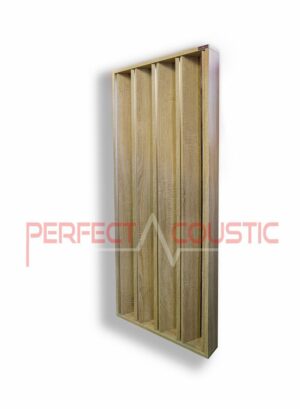
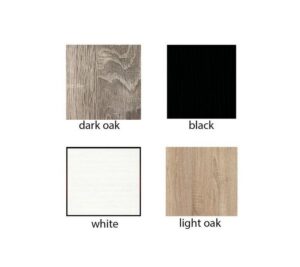
 Column Diffusers179 € – 288 € +Vat
The cue
For a floor-standing speaker, this model can really pack a punch. It has won our praise for its refined, clear, detailed sound, accurate, intense bass and flawless high and mid-range. We were also absolutely delighted feeling the spaciousness of emitted sounds.
However, for some musical styles we would have expected a more dynamic performance. The exterior appearance is clean and elegant, but unfortunately the cabinet is fragile. Apart from that, it’s one of the best mid-range speakers we’ve tested.
G.H.
Written by Róbert Polgár