Sony VPL-VW 570ES 4K 3D Home Cinema Projector Review
Sony’s 4K projectors can rightly be considered as rivals to JVC projectors having similar features. Just a few specs to start with: the VW 570ES projector has 1800 lumens of brightness, a motorised focus, zoom, and lens shift functions, weighs 14 kg, and the noise level of the device is 26 decibels. According to the manufacturer the lamp life wont exceed 6000 hours (depending on usage).
Let’s take a closer look at the projector!
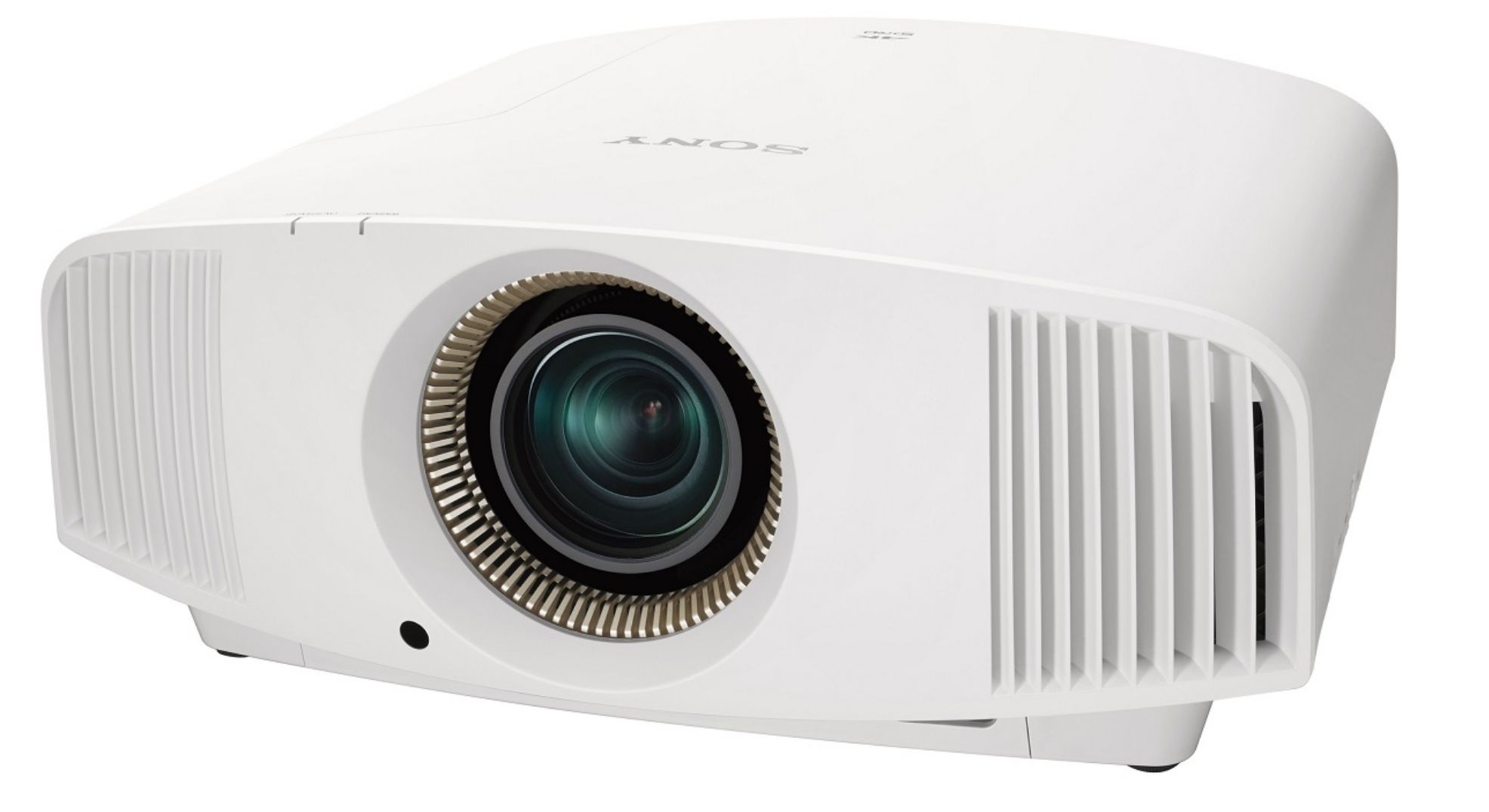
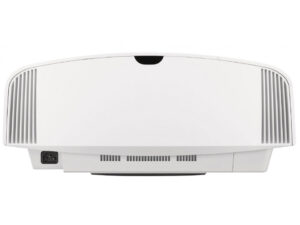
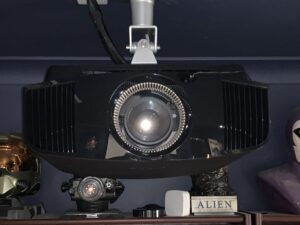
There are ventilation holes on both sides of the lens to ensure proper ventilation. It has two HDMI inputs on the side, both of which support 18 Gbps 4K HDR transmission, which means it is capable of 60 frames per second. USB, RS232, IR minijack, 2 x 12 V trigger and Ethernet connectors are also available on this projector.
-

 Grid diffuser133 € +Vat
 -
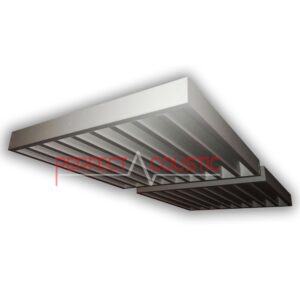
Absorption panels with diffuser-Two in one62 € – 296 € +Vat
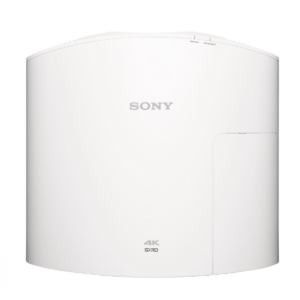
The Sony 4K UHD logo is visible on the top panel of the projector, and the connections are recessed in the chassis, so they can remain hidden when placed on a table or fixed to the ceiling. The glass lens is in the centre, and a power LED is located above the lens. Unfortunately, you will notice your fingerprints all over the glossy plastic housing pretty soon. Surrounded by a bronze-effect lens collar, the lens is protected by a plastic cover that slides to the front of the lens when not in use. This can cause problems with ceiling mounting, because this small cover can be in the way.
The remote control is large, well-designed, ergonomic and easy to manipulate. The high-pressure 280-watt mercury lamp has a lifespan of 6,000 hours when used in low mode, but with 4K HDR content the lifespan is expected to be shorter. The contrast ratio is 350,000: 1.
Other features
The native 4K SXRD (Reflective Display with Silicon X) technology offers 4096 x 2160 resolution. Therefore, we recommend the Sony projector for medium and larger cinemas. For a 100-inch image, a distance of 3.05 to 6.28 meters is recommended, and for a 120-inch image, 3.67 meters is the ideal distance.
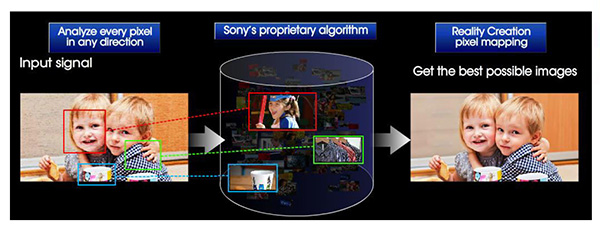
Picture Position Memory stores the settings. Dynamic iris increases contrasts and adjusts brightness, while Sony Realization’s image enhancement feature further optimises the projected image. WCG-Wide Color Gamut is excellent, i.e. a wide range of colours is available. There are several picture settings: Cinema 1-2, Reference, TV, Game, Bright Cinema and Bright TV. Thanks to the Motion Flow refinement functions, additional settings can be made with True Cinema, Smooth Low, Smooth High, Combination, and Impulse modes.
Picture settings
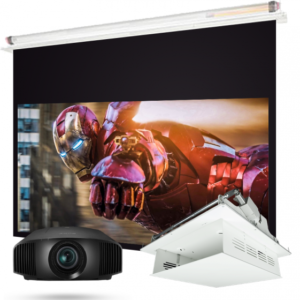
While testing the projector, the Cinema 1 picture mode seemed brighter with a bit of a TV effect, and the Reference and TV modes had less contrasts. If you’re not using the projector in complete darkness, Bright Cinema is the best choice, but for us, True Cinema has turned out to be the most appropriate. The projector is quite noisy during operation, but if used in a movie room with a good sound system, it probably won’t even be noticed. The 3-chip SXRD projector proved to have better light control, deeper black levels, and better dynamic contrast and dynamic iris.
The device also has a CMS colour management system and two-point white balance control functions, moreover, it is HDR10 and HLG compatible, but does not support Dolby Vision and HDR10 +.
Reality Creation and Motion Flow frame interpolation further enhances and sharpens the image.
-
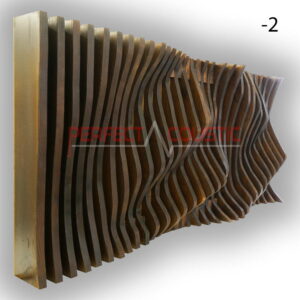
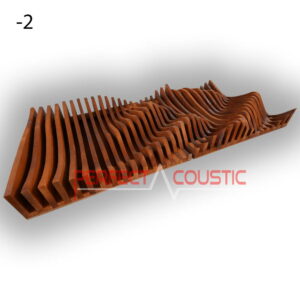
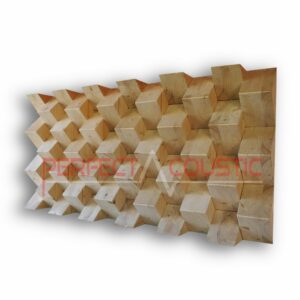
Parametric Wall Art Panel (Diffuser)327 € – 426 € +Vat
-

 Bass acoustic wall panels with double leather membrane83 € – 260 € +Vat
Projector or TV? This is the question!
The screen size of TV sets is limited, they can be quite heavy, which makes transport and installation more difficult than those of a projector. Projectors can project almost any image size, depending on the type and size of the room. They are very easy to mount or place, but you also need a clean wall surface or a screen of the right size, which in turn can take up quite a bit of space. In terms of picture quality, LCD and plasma televisions are almost unbeatable for the time being. On the other hand, projectors can project more vivid and natural colours. The contrasts are clearly better than in the case of TVs, because the light projected by the projectors reduces the contrasts unless it is completely dark in the room.
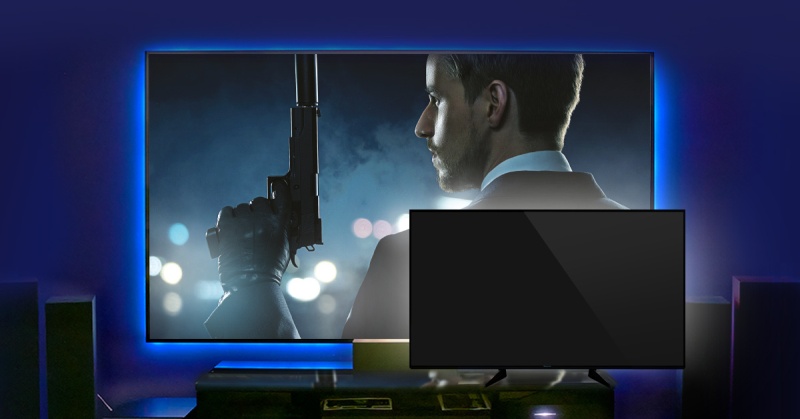
The projectors are primarily recommended for watching movies as part of a home theatre system. Using a projector to watch TV programs only is unnecessary, because standard definition images will look awful on a large screen, and the life of the projector lamp is shortened by frequent use – depending on the use of course. To replace a projector lamp may be a very expensive assignment, however, laser projectors are an exception, but if you choose a laser projector, be ready to cope with diminished image quality. Moreover, even the most expensive and best quality projectors have a base noise during operation, which may be annoying for some. TVs have a myriad of inputs and additional functions, while projectors offer only basic inputs. Yet 3D contents projected by traditional optics projectors, as a matter of fact, are more perfect and better than those reproduced by TVs.
Overall, it can be said that televisions are more versatile, reproduce better the contrasts, and do not require a projection screen, which can take up a lot of space. However, if you want to choose a device for your home theatre system, watching movies, we would definitely recommend you to buy a projector.
Welcome to my private cinema!
We tested the projector in a 30-square-foot living room, where acoustic panels were used to improve the sound of the room to ensure the ideal sound of the home theatre system, and traditional curtains were replaced with thick, densely woven sound-insulating acoustic curtains, thus not only improving acoustics but to insure complete dimming.
The image projected by home theatre projectors will only be sharp and clear if the room is darkened almost completely like in a real cinema. We watched the thriller Before I go to sleep released in 2014. Nicole Kidman and Colin Firth are the protagonists of this exciting cinema staging a true mystical atmosphere for an exciting story. The Sony projector produced sharp, clear images, beautiful, natural colours, the contrasts were flawless and the black level was deep and intense enough. We watched the movie in HD and there was absolutely no problem with the quality. We also tempered with the image settings for a while, but the colours turned too blue at pure white mode, so we abandoned it.
Next, we watched the sci-fi thriller movie The Darkest Minds from 2018. The performance of the Sony projector was perfect, the depth of the black levels was flawless, we also noted that colours and contrasts were perfect.
-
Pyramid acoustic diffuser 60x60x11cm118 € – 153 € +Vat
-
 Bass sound dampening panels with wood membranes91 € – 268 € +Vat
Conclusion
The designer of the VPL-VW570ES projector is definitely to be commended for putting together a projector that image quality is close to that of a television screen. The black level is intense, detailed and natural as far as the quality of the projected images goes, the colours are beautiful and vibrant. Compared to the JVC DLA NX7 projector, we liked Sony better, but we also assessed objectionable flaws, such as the fact that a separate image setting is required to use SDR and HDR, and that this projector is quite noisy in full power mode. The latter problem can be avoided if your home theatre sound system consists of premium quality speakers. Don’t miss out on necessary acoustic treatment of your projection room either, because even the best speakers can’t deliver flawless sound if the acoustics aren’t properly designed!
G.H.
Written by Róbert Polgár