Testing the Arcam SA30 Integrated Home Theater Amplifier
The Arcam integrated amplifier has an output power of 220 watts. It is also equipped with 3 RCA, 2 optical, 2 coaxial, MC and MM phone inputs, a USB socket and a 3.5 mm headphone jack.
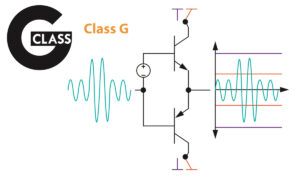
This amplifier is class “G”, which means it doubles the output stage to eliminate transverse distortions in the output switching. In practice, the “G” class combines the advantages featured by the “A” class. Arcam uses “G” class amplification on its more expensive, premium devices.
SA30 model features
The amplifier does not have HDMI inputs, but offers eARC and HDMI connectivity instead, which simplifies the connection to a TV. Google Chromecast, Airplay2, UPNP, Roon endpoint, Spotify Connect, Tidal Connect, (the latter with MQA support) and Tuneln radio features are also available on the amplifier. Of course, there are also Wi-Fi and Ethernet connections on the device. Thanks to UPNP streaming, high-definition network music is also available through Arcam’s dedicated MusicLife APP, or with the UPNP control APP (mConnect Bubble UPNP) or with subscription Roon APPs. These applications have proven to be more stable than Arcam’s own software. The RS232 connection enables integration into an intelligent home automation system.
-

 Giga bass panel with membrane94 € – 129 € +Vat
 -



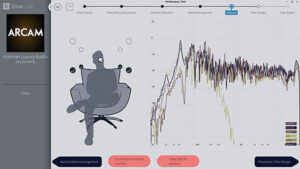
Dirac Live corrects reflection and acoustic problems via Windows or Mac. With the included microphone the software measures, calculates and then corrects the errors, converting the analog signals into digital signals. 7 digital filters are available for fine tuning (Minimum Phase Fast Roll off, Linear Phase Slow Roll off). Of these, the default Apodizing mode worked best for us during the tests. The Arcam Control application can also be controlled via iOs.
Exterior design
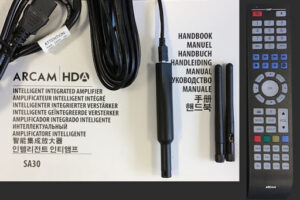
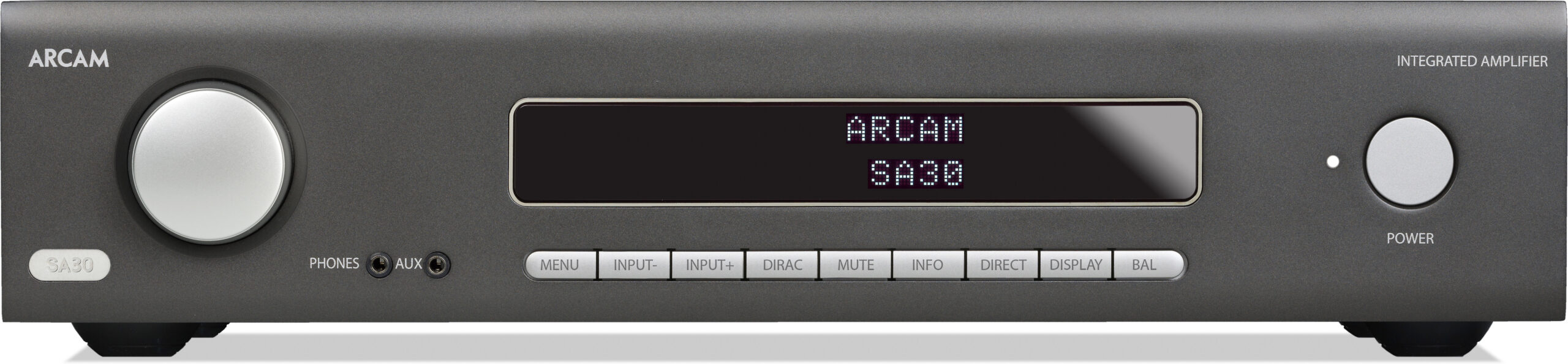
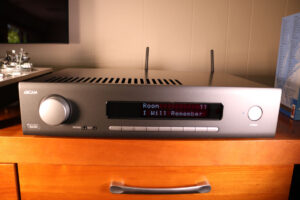
5 pieces of 4 mm speaker cables are also included with the device. The exterior of the Arcam amplifier is characterised by a modern, simple, functional design. The grey housing has a compact black and white display, as well as circular volume and power buttons on the front panel. The relatively small LED screen could make the captions more readable, moreover, the letters appear a little slow. Below the screen are the menu, input selector, mute, and balance buttons. For many, the amplifier may look a bit dull and monotonous, but for those who prefer a clean and stripped-down designed, practical audio and hi-fi equipment, the Arcam SA30 may be an ideal choice.
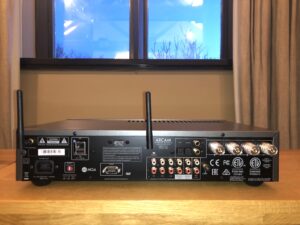
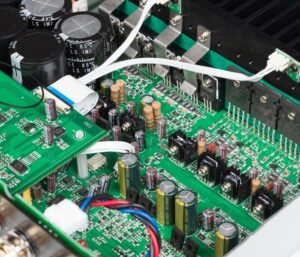
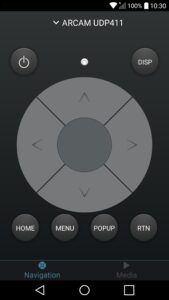
It is not very large in size, moreover, it weighs a total of 12 kg, so it is quite easy to move around and be placed. The touch-sensitive remote control has a backlight and a simple and practical layout to match the look of the amplifier.
We tested the amplifier
Testing was performed in a home theatre room paired with a Focal Chora 816 home theatre speaker set. Based on our measurements, the acoustics of the cinema room were ideal. Sound-absorbing and diffuser panels have been placed on the walls and ceiling to ensure proper acoustics. In front of the relatively large window areas and the patio door, thick darkening, acoustic curtains have been installed, which not only guarantee the excellent sound of the room, but can also solve the complete darkness, which is an essential aspect of a cinema room. A floor mat has been laid on the floor, which also helps to cushion unwanted sounds.
We watched the action movie Transformers- The Last Knight to start with, which hit theaters in 2017. The Arcam amplifier produced very intense, definite basses. We experienced a surprisingly wide stage picture and ideal mid and high ranges. We continued to test the device with the musical comedy Rock of Ages, and we were already curious to hear the quality of soundtracks of the movie. Working together with the high quality speakers set and amplifier, we heard a very detailed, balanced sound.
For the musical test, we chose the Sting song Desert Rose. The stereo sound was flawless, the bass sounded clear and muscular even at higher volumes. It produced a clear and soft sound, powerful, tight basses. We witnessed no intrusive, but pleasant treble and pronounced mid-range tones. However, the rhythm and momentum seemed to few for our taste, and there was still room for the amplifier to improve in this.
Summary
The Dirac program is more complex and complicated compared to other amplifier software, but it allows you to make better, more reliable and more accurate settings. But not perfect, as some updates are still missing; besides, it took a while for the device to start up after installation done. Bluetooth connection was missing, but that’s not necessarily a major issue.
-
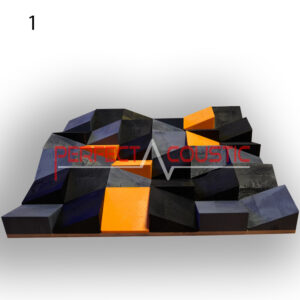
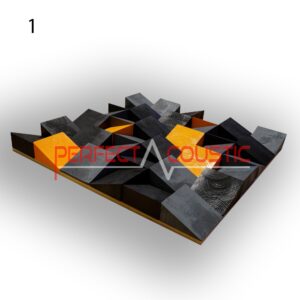
Art diffusers 60x60x6cm129 € – 168 € +Vat
-
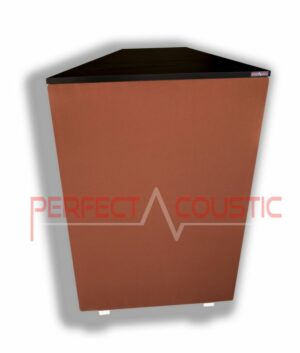
 Corner bass trap with membrane-108x64x23cm135 € – 142 € +Vat
We found the base software unstable at times, so it is better to choose UPNP streaming modes instead. Dirac room acoustic correction software, unlike other similar software, is able to make much more accurate and better settings, but it still has its flaws. This program is quite complicated and complex, and if we don’t give up and go all the way the necessary measurements and adjustments, we will get a surprisingly precise result. Obviously, room correction software alone will not solve room acoustic problems such as echoes or unfavourable reverberation time of sounds. For these defects, only acoustic treatment can provide a truly effective solution.
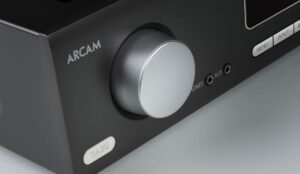
The SA30 amplifier does not bring any innovation in design; obviously the functionality and practicality were the goals in mind of engineers when this amplifier was designed. The amplifier is not in the cheapest price range, but if it is not the exterior that matters, rather the premium sound, you may want to choose this unit for your home theatre system, although you can buy other Arcam competitor brands’ amplifiers with similar features and functions at a better price, or even have more features for the same price.
G.H.
Written by Róbert Polgár