We have tested the JBL 4349 studio monitor!
JBL is headquartered in Northridge, California. The JBL 4349 studio monitors are compact in size. The JBL 4349 studio monitors are capable of producing clear, distinct and deep bass. The 32 Hz bass response is quite low, so no subwoofer is required.
-

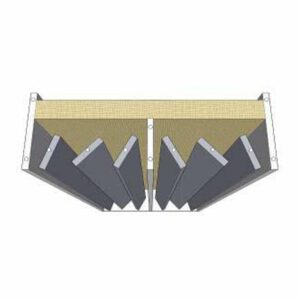
 Giga bass panel with membrane94 € – 129 € +Vat
 -
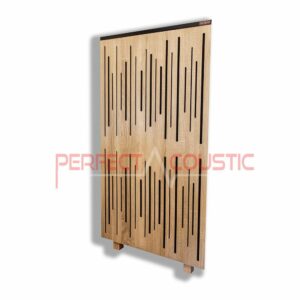
Striped Sound Diffuser 60x60x9cm108 € – 140 € +Vat
JBL 4349 features
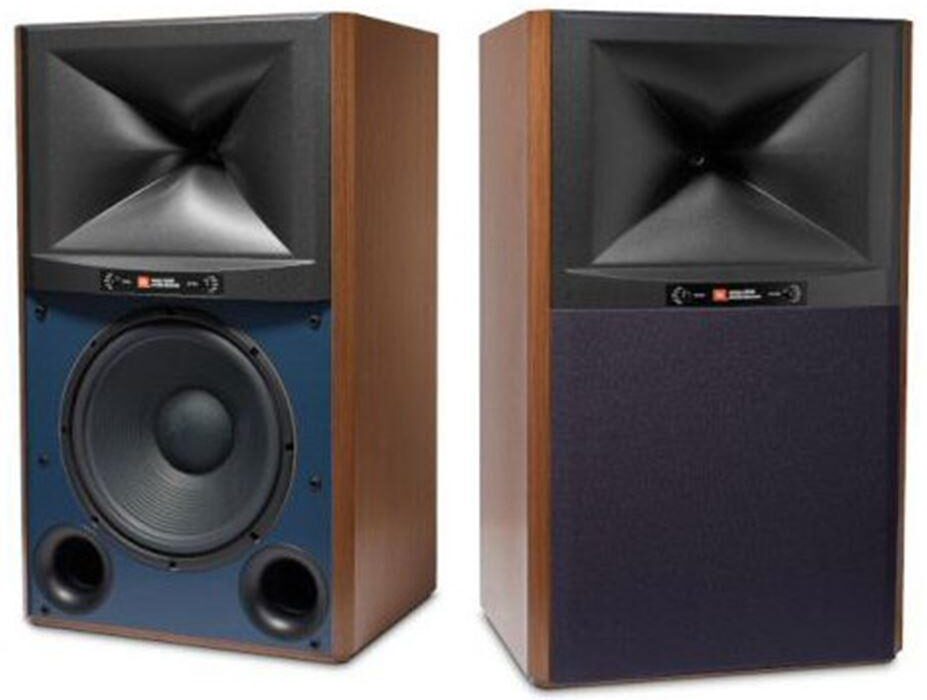
The JBL 4349 is a two-way, bass-reflex studio monitor speaker that can be placed on a stand or shelf. Recommended amplifier power: 25 – 200 WRMS. Frequency response: 32 Hz – 25 Hz, crossover frequency: 1.5 kHz, sensitivity: 91 dB, nominal impedance: 8 Ohms.
The high and ultra high-frequency sections can be independently adjusted by means of switches on the front panel.
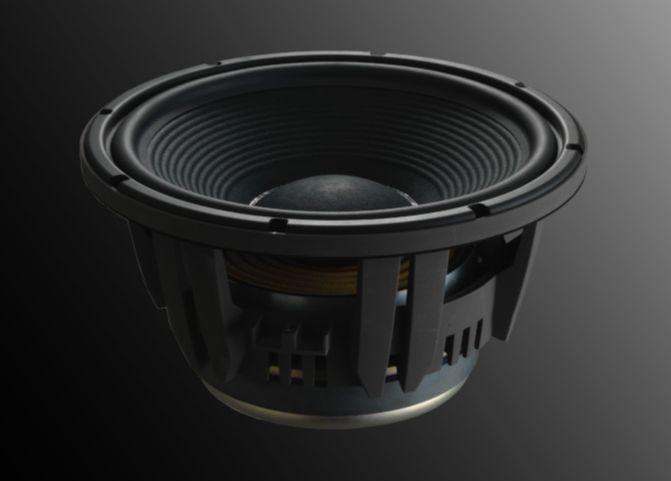
The 300 mm woofer provides high output with low distortion. The 75 mm voice coil guarantees maximum output with minimum distortion.
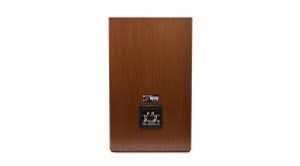
It has a double gold-plated connector. The woofer is a 300 mm pressed paper diaphragm with a cast basket, the tweeter is the JBL patented D2415K dual 38 mm high frequency compression driver.
Dimensions: 736.6 mm x 444.5 mm x 317.5 mm, weight: 37.7 kg. An optional stand is available for the speaker.
Design
This compact speaker is available in walnut or black finish. They are quite heavy, consequently not so easy to move around. The cabinet is made of 25 mm thick MDF boards. It has a front dual reflex port. Due to the size of the speaker, the 30 cm woofer, the 2 reflex ports and the horn tweeter fit comfortably.
A pair of 38 mm Teonex polymer ring diaphragms are located inside the unit. The diaphragm has a V-shaped cross-section, which the manufacturer claims reduces distortion.
This distinctive horn radiator is made of Sonoglass – a glass fibre-based composite – and is designed to significantly increase the distortion caused by a conventional horn.
The style of the speaker is retro, with the company’s classic blue baffle and grille making it instantly recognisable.
-
 Sound traps with diffuser- If a good look is important146 € – 155 € +Vat
 -
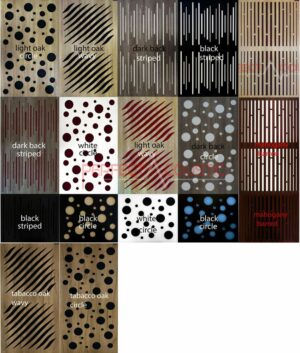
 Flexi acoustic panel with adjustable wooden slats194 € – 287 € +Vat
Testing
Testing took place in a medium-sized studio. The monitor pair was tested with a NAD T758 V3 amplifier. The walls of the studio were fitted with a few acoustic panels with diffusers, and in the corners, membrane deep absorption corner elements ensured the right sound quality. Based on our measurements, the ceiling would have also needed some broadband acoustic panels for an optimum sound.
An important consideration when choosing speakers is where and for what purpose you want to use them. It makes a difference which speaker you choose for your studio or home theatre system. Nevertheless, the JBL 4349 is a good choice for both.
The JBL 4349 studio monitor produced surprisingly powerful and dynamic bass notes. We heard extended, clear highs. Compared to the studio monitors we had previously tested, we experienced much better sound. It had a wide stage image, accurate and detailed production of sound. The open, neutral sound we found amazing. If there were any faults to be found, it would be the slight blurring in the lowest ranges and the lack of fine detail and stable, clear sound when listening to classical music.
The bass was so dynamic, fast and powerful that we felt no urge to buy a separate subwoofer. Nevertheless, bass notes are not the biggest strength of this speaker. The mids and highs were clear and extended with impeccable dynamics.
For optimum sound, it is advisable to place the speakers at an appropriate distance from the wall, from each other and from the listening position. It’s a good idea to place the monitors on a stand, because if you put them on furniture, a cabinet or a bookshelf, you are likely to encounter some resonance issues.
-
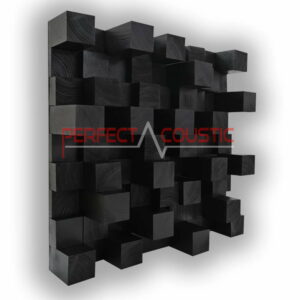
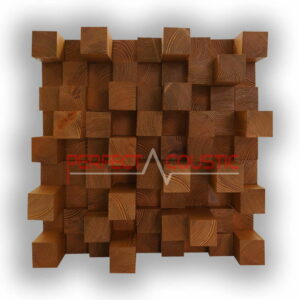
Skyline diffusers 60x60x14cm118 € +Vat
-
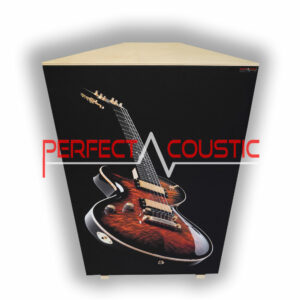
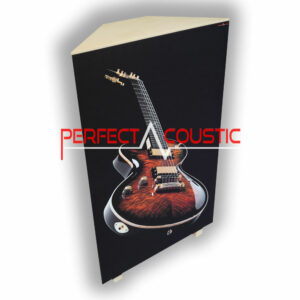
Decorative acoustic panels (corner bass)175 € +Vat
Conclusion
These compact speakers offer unique and unrivalled clarity, intense bass notes and dynamics. Not only perfect for studio monitoring, but also to be used as home sound systems or music parties. You shall expect a realistic, spacious sound when you opt for the JBL 4349.
The lows were incredibly punchy, and the mids and lows were dynamic and clear. The speaker’s cabinet is of a solid, resonance-free design.
The price could be a little more affordable.
G.H.
Written by Róbert Polgár