We tested the Magnat Transpuls 1500 speaker!
Magnat is a German company that has been manufacturing various audio and hi-fi products since 1973. The real vintage design is the most striking attraction of the Transpuls 1500 model, which is most reminiscent of the style of the 60s-70s and 80s.
Time travelling
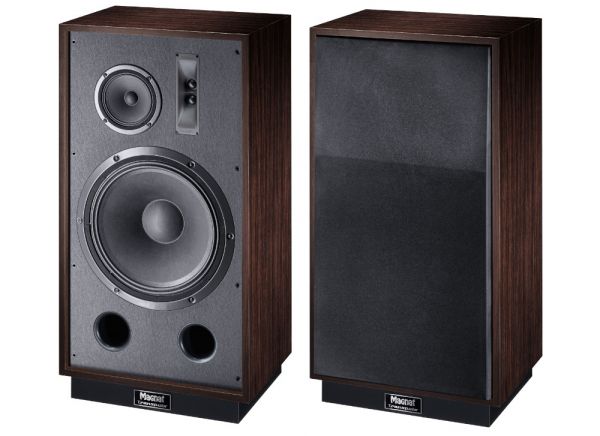
Magnat did not feel any urge to create the most modern and/or minimalist design possible when creating the blueprint for the Transpuls 1500 speakers. On the contrary! The device suggests the retro feeling with brown wood-patterned foil sides, a recessed, dark grey, brushed metal front panel, and a small metal-coloured tab on the front of the pedestal including brand name, and measurement data.
-

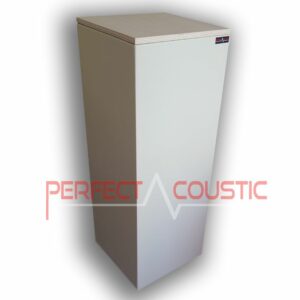
 Giga bass panel with membrane94 € – 129 € +Vat
 -

Magnat Transpuls 1500 features
The device is 37 kg, about half a meter wide, one meter high and the 40 cm deep speakers are protected by fabric. The frequency response is between 16 and 35,000 Hz, the sensitivity is 95 decibels, the load capacities are 750 or 500 watts, and it works well with a medium power amplifier. They are equipped with two funnel-shaped dome tweeters, each 25 mm in diameter, and are made with so-called double compression tweeter DC Horn technology. The tweeters have a funnel design, in addition, an interesting solution has been used, the tweeters are tilted towards each other, so the radiation and control of the treble is much more concentrated towards a certain point. Consequently it doesn’t matter where and how far we place the speakers. But on the other hand, it is not far-fetched to say that the listener position shall be adjusted if we don’t want to loose the trebles completely. The vertical design of the tweeter funnel also serves directionality.
Vintage design – modern technology
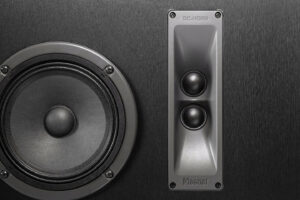
It is a three-way designed speaker with bass reflex tubes to keep sound freedom of movement, housed in a strong, rugged MDF cabinet. The impedance is between 4 and 8 Ohms, the recommended amplifier output is between 30 and 500 Watts. In addition to a large but light diaphragm with a 17 cm centre speaker and a basket, and an extremely large 38 cm diameter subwoofer provides the ideal sounding.
It has a Klippel-optimised speaker driver, the subwoofer is made with a special Controlled Reflex Alignment technique that reduces vibrations – which is actually an acoustic flow-blocking technology.
12 decibel filter phase correction is also available for midrange and subwoofers, and steep 18 decibel filter phase correction is possible. Thanks to FE Driver Dynamic technology, the subwoofer reduces electrical and mechanical losses.
Sound test
The speaker test began with watching a movie. We watched the fantasy thriller the 47 Ronin, which was released in 2013. The speaker was associated with an Arcam home theatre amplifier during the rehearsal. The speaker provided a very dynamic sound with precise and intense bass sounds. The sounds sounded in all directions, the device produced a wide stage image. The dialogues were detailed and we could hear clear sound in every range and at every volume. We then listened to Olivia Rodriguez’s Drivers License to test the Magnat Transpuls 1500 speakers performing stereo music.
Although the design is retro, the sound of it is clean, distortion-free, detailed and dynamic thanks to modern technologies, the basses are powerful, tight and intense, which is largely due to the 38 cm diameter subwoofer.
-
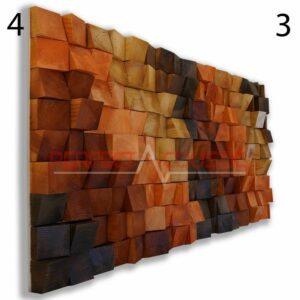
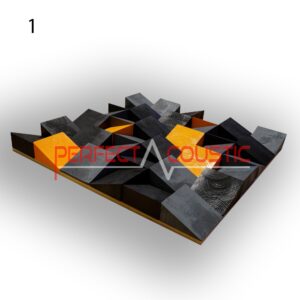
Art diffusers 60x60x6cm129 € – 168 € +Vat
-
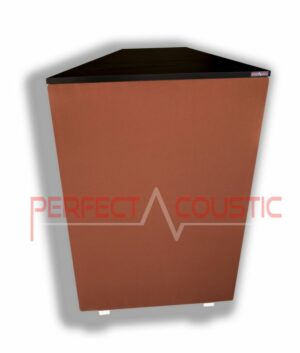
 Corner bass trap with membrane-108x64x23cm135 € – 142 € +Vat
The little brother
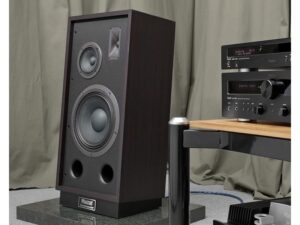
The Transpuls 1500 model has a smaller sibling, the Transpuls 1000, which was developed primarily for rock music rich in powerful basses. We had the opportunity to try it in a smaller music room. Like the 1500, the MDF housing houses a funnel, a 25mm dome tweeter, a 130mm centre speaker and a 260mm subwoofer. We would recommend this type for smaller rooms and studios. Thanks to the two front reflex openings, it can also be placed close to the wall. The medium and deep ranges are driven by impregnated paper membrane drives.
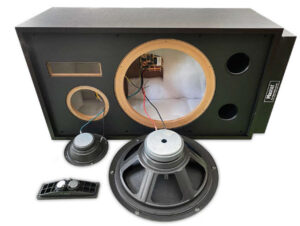
The Transpuls 1000’s audio was both dynamic and accurate, the basses sounded clear and tight, and the sound pressure was excellent. The vocals were easy to distinguish and realistic, both models capable of very high resolution in the higher ranges of sound.
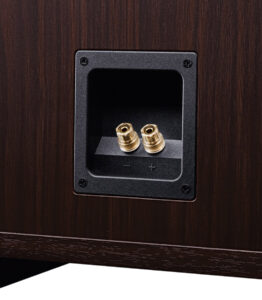
A horn-like sound conveyor was placed in front of the tweeter. Robust cable connection panel with gold-plated screw terminals ensures perfect signal reception.
Verdict
No one should be deterred by the vintage exterior design of the Magnat speakers, they are the ideal choice for the living room or home theatre. The 1500 model is very intense and powerful thanks to the large subwoofer, it is capable of clear sound, which is why it is worth placing it in a medium or larger living room, because it can only really provide maximum performance there.
In a room with ideal acoustics, paired with the right amplifier, you can expect absolutely optimal and beautiful sound from the Magnat speakers.
However, let’s not forget that if we do not pay attention to the acoustic treatment of the rooms, the echoes and reflections will significantly degrade the performance of even the best quality audio and hi-fi equipment, so it is definitely worth performing an acoustic measurement by a specialist in our cinema or living room. An only based on these measurements we shall determine exactly where, how many and what type of sound absorbing panels or diffusers should be mounted to perfect acoustics.
-
 Bass sound dampening panels with wood membranes91 € – 268 € +Vat
 -
Absorption panels with diffuser-Two in one62 € – 296 € +Vat
Why is speaker sensitivity important?
The answer to this is very simple, as a higher-sensitivity speaker with a lower-power amplifier also sounds good. The importance of sensitivity for a speaker depends primarily on its intended use. It doesn’t matter if you are using a near-field monitor or if you want to integrate it into a home theatre system, you may want to use the speakers in a larger space or for outdoor sound. In general, it can be said that as the distance increases, the sound pressure decreases, so the degree of sensitivity is important.
The higher the sensitivity and load capacity of a speaker, the higher the maximum sound pressure, i.e. the SPL, which also means the maximum volume.
Speaker impedance
The value of the impedance is important because of the amplifier that drives the speaker. At 80 percent of the nominal impedance, the impedance of the speaker is in the useful frequency transmission range, nowhere can the power be lower. The impedance is also closely related to the fact that the speaker can be loaded with a maximum of this input power without damage in the short or long term, usually the maximum output power of the speakers is a combination of sensitivity and load capacity.
G.H.
Written by:
Róbert Polgár