
Sound Insulation Article Summary:
This article comprehensively presents various methods of sound insulation. It discusses in detail how sounds can be reduced in a given room with the help of acoustic walls and introduces the harmful effects of sounds. The reader can learn how these methods can be applied in different types of spaces to reduce noise.
Noise and Sound Insulation Solutions:
Noise consists of sounds of different strengths and frequencies. Due to these effects, wall insulation and interior wall insulation can be crucial. The degree of hearing loss depends on the intensity of noise exposure. Sound-insulating walls can help reduce noise.
CONSEQUENCES OF NOISE EXPOSURE
Noises – even within permitted limits – can be harmful. Insulating a residence for sound is an important step in reducing noise levels.
Types of Noises and Methods of Sound Insulation:
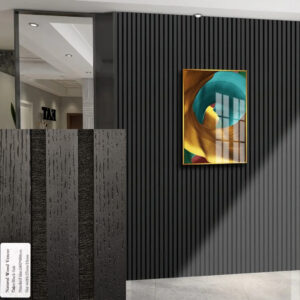
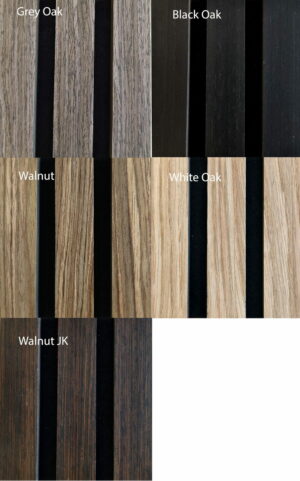
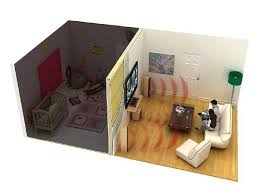
- Airborne sound: Sounds that travel through the air and can penetrate almost anything are not easy to slow down or absorb. These sounds can be reduced with sound-insulating panels, which come in various types. The simplest variant needs to be adhered to the walls.
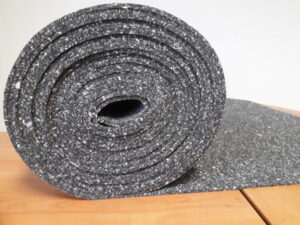
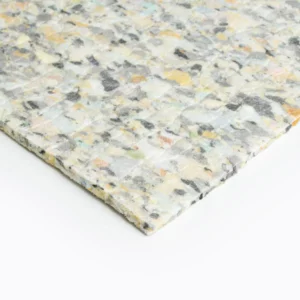
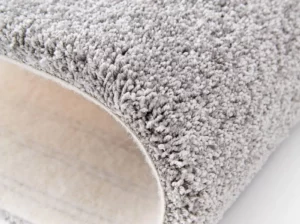
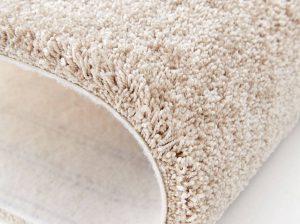
- Impact sound: Impact sounds can be easily reduced with dense and thick acoustic carpets, and sound-insulating foam placed underneath. Unfortunately, these vibrations can also transmit sound through walls, against which sound-insulating walls can be effective. These vibrations can be dealt with by wall decoupling, i.e., an insulated air gap, so that sound and vibration cannot transfer to the walls, or by insulating the entire wall as well.
- Acoustic noise: Sounds reflecting off walls causing echo. In this case, sounds entering the room can amplify up to five times. Here, interior sound insulation is key, or sound-absorbing elements should be used on the walls. Place acoustic carpet on the floor.
Is Perfect (Retrofit) Wall Sound Insulation Possible?
Retrofit sound insulation with panels is possible, but achieving perfect results is difficult. Interior wall noise insulation can help reduce noise, but it does not guarantee complete silence.
-


-


-
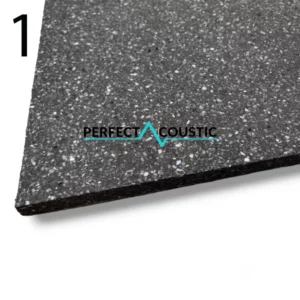
 Silent soundproof mat93 € – 455 € +Vat
For Effective Room Soundproofing: What Can We Do?
Soundproofing a room does not require drastic measures such as demolishing walls. Instead, by using the right methods, such as using multi-layered soundproofing walls and acoustic panels, effective results can be achieved. It is important to take into account the material and structure of the building when designing noise protection to avoid unwanted acoustic effects.
Wall Sound Insulation: Room Within A Room Method
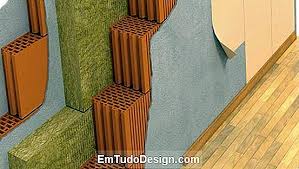
A more drastic method is constructing a room within a room, which involves creating an acoustic wall, but this reduces the usable area of the room. Wall insulation begins with a frame made of wooden battens attached to the wall, which is 5-10 cm thick. Acoustic mineral wool is placed into this frame, or for those who prefer not to use mineral wool, Elitexa extra dense acoustic foam, which weighs 80kg/m3. After this, drywall is secured to the frame. However, one layer of drywall is not enough, as the drywall acts as a membrane when sound hits it, potentially amplifying it. Therefore, it is recommended to apply a second layer of drywall, and it is important to place 7-100 mm thick Elitexa extra dense, 180kg/m3 density acoustic foam sheets between the two layers of drywall, preventing the drywalls from touching each other and thus further spreading the sound. Vibrations are a key method by which sound travels.
With this method, noise coming from outside can be significantly reduced while also improving the internal acoustic environment.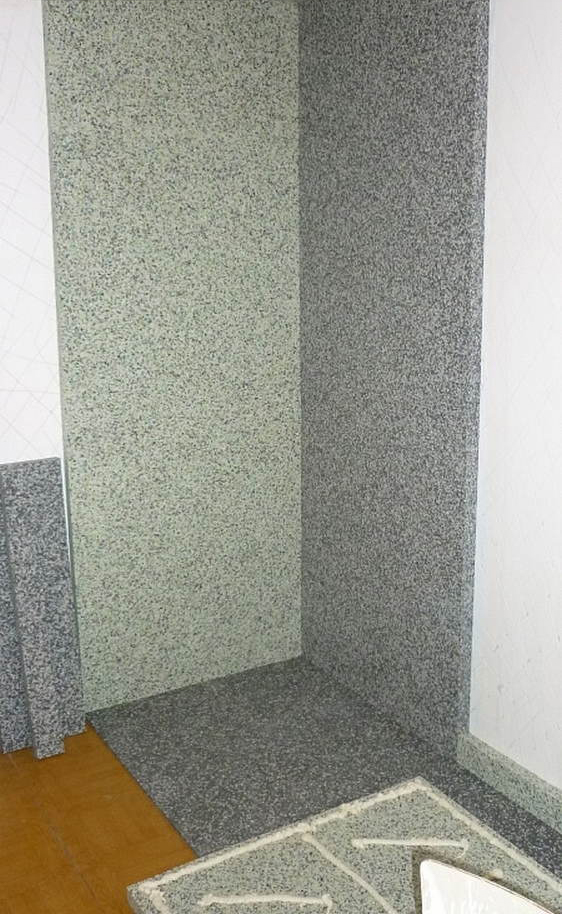

Causes and Solutions for Echo After Noise Insulation: Wall Sound Insulation
After wall sound insulation, an echo can occur in the room due to hard, straight surfaces that allow sounds to bounce uninterrupted, thereby increasing noise.
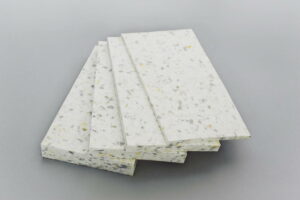
Using interior sound insulation, such as acoustic panels or thin, 2-4 cm thick Elitexa acoustic foams, offers a solution. These foams, placed on the walls, prevent further propagation of sounds, significantly reducing noise levels in the room.
Effectiveness of Sound Insulation and the Role of the Floor
After insulating a room, the question arises why the noise reduction is only 40%? This is because sounds also travel through the floor. This can be mitigated by using extra dense, 4 cm thick Elitexa sound-absorbing foam on the floor, under parquet, or even using acoustic carpets, which provide even more effective sound absorption.
Interior Wall Sound Insulation: An Easy and Cost-Effective Method
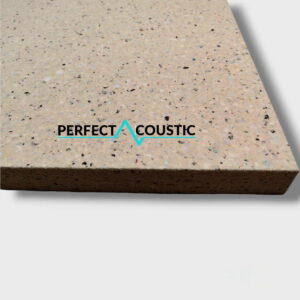
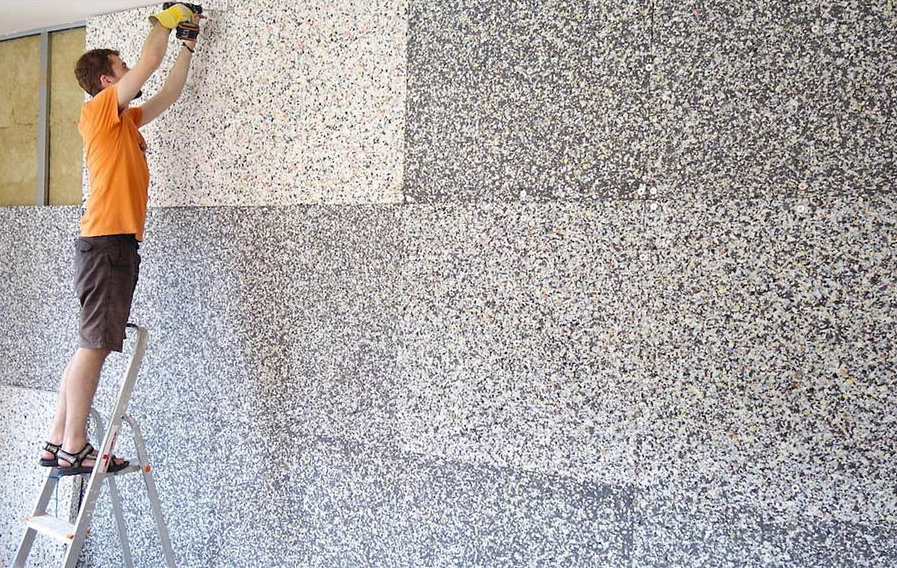
Elitexa extra dense foam is an excellent, cost-effective solution for interior wall insulation that does not require a professional. Elitexa foams are ten times denser than normal foams, thus effectively absorbing low and mid-range sounds, reducing noise from the street or neighbors. The self-adhesive back of the foams makes them easy to apply to walls, ceilings, or even floors, important to place them seamlessly.
The Impact of Wall Insulation Using Extra Dense Foam
- No need for Professionals: Applying the 4 cm extra dense foam is easy, so it can be done without professional help.
- Double Sound Absorption: The extra dense foam is more effective than 90kg/m3 acoustic mineral wool, with excellent sound-absorbing capabilities.
- Aesthetic Appearance: Provides a beautiful, uniform surface even in its untreated state.
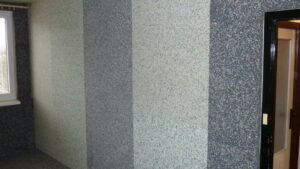
- Decorative Options: The foam’s surface can be decorated with wallpaper or paint, making it aesthetically compatible with the home’s style.
- Retains Sound Absorbing Properties: Retains its sound-absorbing and sound-insulating capabilities even after decorative interventions.
- These points demonstrate that extra dense foam provides a simple, aesthetic, and effective solution for wall sound insulation.
Do Not Forget About Insulating Openings
Naturally, start with insulating the gaps of windows and doors because even the smallest gap can let in a lot of noise.
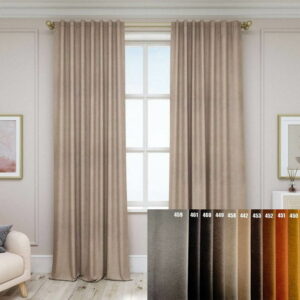
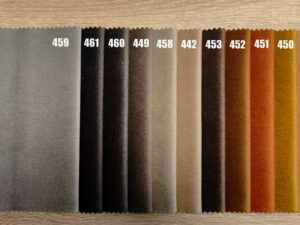
Once that’s done, it’s worthwhile to also insulate against noise with sound-absorbing curtains placed in front of the windows and doors. Perfect Acoustic’s sound-absorbing and sound-insulating curtains are made from the densest and thickest sound-absorbing material available on the market, tailored to unique sizes. This is important because the heavier and denser a material is, the better it can block out noise from the apartment. Another indispensable part of noise protection is the gap-free installation. That’s why it’s important that every curtain is sewn with precise measurements, thus optimally utilizing the curtains’ sound-absorbing properties. It’s advisable to request curtain tapes for hanging to avoid any gap between the curtain track and the curtain. Unfortunately, sound can pass through the curtain rings, so I don’t usually recommend them. – It’s worth ordering double the width of the door or window for the curtain because it not only provides a beautiful wavy appearance but also absorbs sound much better since the amount of material will be double.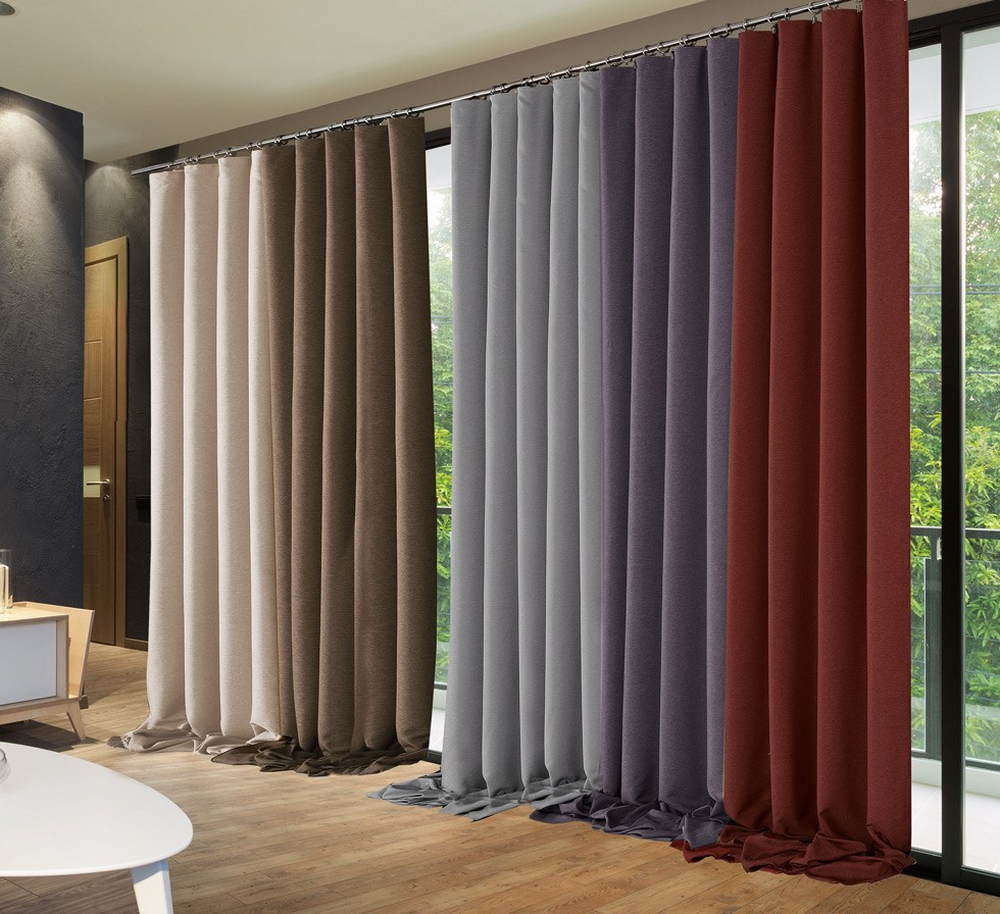
Avoid Common Mistakes Everyone Makes!
For example: If we undertake sound insulation ourselves, we can make numerous mistakes if we choose the wrong type of material. Under no circumstances should we skimp on insulating materials because if we use inferior quality materials, they can warp or deform over time, thereby failing to perform their function adequately. Many online forums recommend using egg cartons for sound insulation and acoustic absorption purposes. I would like to emphasize that egg cartons are not suitable for either purpose, plus they are flammable and even dust collectors! If we don’t apply sound insulating materials to drywall walls, it will only amplify the noise further.
Let’s Look at Some Sound Noise Levels:
for example:
- Computer cooling fan, mosquito buzzing, rustling leaves: 10 dB
- Rustling leaves, ticking clock: 20 dB
- Whispering, breathing: 30 dB
- Street noise coming in: 40 dB
- Quiet rain, kitchen fridge, soft radio: 50 dB
- Bird chirping, conversational speech: 60 dB
- Traffic vehicles: 70 dB
- Loud speaking: 70−85 dB
- Motorcycle: 80 dB
- Shouting: 80−100 dB
- Piano: 60−95 dB
- Lawnmower, storm, train: 90 dB
- Printing press: 95 dB
- Jackhammer: 100 dB
- Entertainment venues, circular saw: 110 dB
- Waterfall: 120 dB
- Jet engine: 130 dB
- Airbag deployment up close: 160 dB
- Fireworks: 170 dB
- Gunshot near the ear: 180 dB
The harmful effects of noises depending on the noise level:
- Above 40 dB, negatively affects learning and concentration
- Continuous presence of noise above 60 dB can also damage our hearing In case of continuous noise above 65 dB, the risk of cardiovascular diseases can increase by up to 20%
- Above 85 dB can cause more serious damage
- Above 120 dB can even result in hearing loss, in a shorter time frame
Noise Pollution
Noise is composed of sounds of varying pitches. Some of these sounds are beyond our hearing range and are not detected by our ears. Sounds below the lower limit of hearing are called infrasound, and those above the upper range are ultrasonic sounds. Although we do not physically perceive these, they still affect us. The degree and intensity of noise pollution depend on the sound’s strength, duration, and pitch. The time it takes for noise-induced hearing loss to develop is influenced by the nature, strength, duration of the noise, as well as our body, health status, age, and social situation.
What Symptoms Can Noise Pollution Cause?
Ringing, buzzing, popping, humming in the ears Dizziness, vestibular complaints, hearing loss Noise notch: Experienced at 4000 Hz, initially extends to high sounds, indicative of neural hearing impairment.
 The Best Simple Solution: Reducing the noise level in our homes can create a calmer, happier, and healthier environment.
Every year on our planet, the level of harmful and disturbing noise increases by 1 decibel. Approximately 40% of the population of the European Union and about 25% of the population of our country, roughly two and a half million people, are forced to work and live in an environment with a noise level of 50-60 decibels. Continuous noise harms health. Unfortunately, despite the availability of many types of sound insulation and sound-absorbing materials today, few builders and developers pay special attention to the importance of noise reduction during construction.
Noise Takes Years Off Our Lives
According to surveys by the WHO (World Health Organization), in Europe, diseases resulting from the harmful effects of noise cause us to lose 1 million years of life annually! Therefore, the WHO recommends that the noise level in our homes, workplaces, and living spaces should remain below 35-40 dB during the day and 30 dB at night to prevent health damage and avoid disrupting concentration and performance. The WHO compared the simple impact of modern world noise pollution on health and the soul to the plague in a 2011 study. Approximately 3,000 Europeans die each year from heart disease caused by noise exposure! It’s best if we take the dangers of noise pollution seriously!