Most people are already used to living in a loud, noisy environment. It’s almost impossible to move to a place where there’s perfect silence, and our body has adapted to that – we’ve learned to ignore the sounds we don’t need. But this is not always possible and there is a level of noise pollution that the body can no longer tolerate in the long run without consequences.
What is noise pollution?
Noise pollution is the noise coming from our environment. We can’t avoid this, at least not in all situations. In the cities, the sounds of vehicles, the sounds of construction sites, the music from the nubs, and the noise of people speaking are the most striking, and in the condominiums, the speeches and activities of the neighbors are often heard.

Many people think the countryside is perfectly quiet, but whoever moves out of the cities should be disappointed: there is noise pollution in the villages as well, just different. The noise made by vehicles is more moderate, but in the countryside, you can hear the barking of dogs, the sound of a lawnmower or chainsaw, the neighbors talking on the street, hammering, drilling, carving, and more. And then we didn’t even mention the louder household appliances: washing machine, dishwasher, dryer, vacuum cleaner… these are present in villages and towns alike.
So noise pollution is everywhere, and its high levels are a relatively big problem nowadays. We are living louder and louder, which is due to the development of transport, more and more household appliances, and the rapidly expanding construction sites. At the same time, we are seeing more and more negative effects that it would be important to guard against.
-


-
-
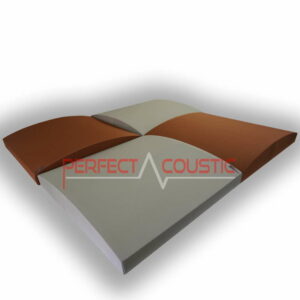
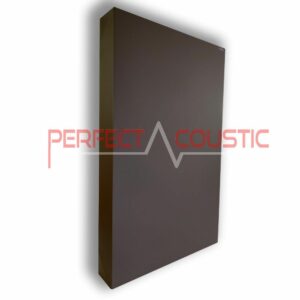
3D Sound absorbing panels – Size: 60x60x10cm 3kg49 € – 59 € +Vat




What are the negative effects of noise smog?
Unfortunately, high levels of noise pollution also affect our health, and not exactly: it can be the cause of many diseases, even more, serious ones.
These problems include noise:
- Sleep disorders: on the one hand, it can also be a direct consequence if, for example, there is a nightclub near our apartment and we are unable to sleep due to the filtered-out noise. In the case of Budapest’s outdoor nightclubs, this is a constant problem among the surrounding population during the summer months. On the other hand, stress can make it harder to sleep – see the next section.
- Stress, nervousness: constant exposure to noise causes chronic stress and nervousness, even unnoticed. It keeps our body constantly awake so we can’t sleep, we are constantly tensed up to pimples, and unable to concentrate, which affects all areas of our lives. Not to mention that stress is a hotbed of many physical ailments.
- Headaches: It can be directly triggered by sound, but stress can also contribute to many people even developing chronic headaches due to sound pollution.
- Cardiovascular Disease: These can be largely a consequence of stress, but it is also a scientifically proven fact that being exposed to high levels of noise pollution increases your risk of stroke and heart attack.
- Cognitive Disorders and Mental Health Problems: We used to mention that “I’m crazy about this noise already” – but there are those who don’t joke about it. At least minor mental complaints can be caused if we are forced to exist in constant noise. It can also be a problem with concentration and thinking.
- Tinnitus: Tinnitus can be a direct consequence of high noise. At best, it’s only temporary: you’ve probably experienced your ears ringing after a concert or a loud nightclub, but chances are it will pass the next day. But if you are constantly or forced to endure a lot of noise, unfortunately, tinnitus can also become permanent, which means longer-term hearing loss.
- Hearing loss: Many musicians report that their hearing has deteriorated significantly over the years in the music industry – the volume of concerts and rehearsals has had an impact. This is especially the case for those who have not adequately protected their hearing over the years, taking the problem lightly. Tinnitus, tinnitus, and hearing loss are very common in many of them, and unfortunately, this is already irreversible, at most further deterioration can be prevented.
-
-

-
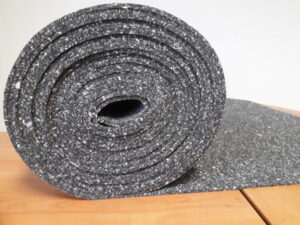
 Sound absorber leather membrane49 € – 253 € +Vat



Refreshment in the noisy world
A quiet nook is a refreshment in the constant noise, not incidentally a rest for the body, which is important to avoid the problems mentioned above. However, it is not easy to create a silence around us, but it is not impossible either: with proper insulation in our homes, earplugs, and the use of acoustic curtains, we can do a lot to filter out most of the noise when we want to.
For some jobs, this is essential, such as in sound studios, but for office jobs, concentration can be a big help, as well as efficiency if we’re not exposed to constant noise. So silence is important for both efficient work and health – let’s try to create it both at home and work! SzG